The transition from a high chair to a weaning table is a significant milestone in your toddler’s journey toward independence. It marks the moment when your child begins to take control of their eating environment, choosing where to sit, how to serve themselves, and when to finish. For many parents, this shift can feel daunting, but with the right approach, it becomes a rewarding experience for both you and your little one.
In this guide, we’ll walk you through the entire process—from recognizing when your child is ready to selecting the right furniture and establishing a routine. Whether you’re a seasoned Montessori parent or just exploring the concept, these steps will help you create a peaceful, child-led mealtime that supports your toddler’s development.
Why Make the Switch? The Benefits of a Weaning Table
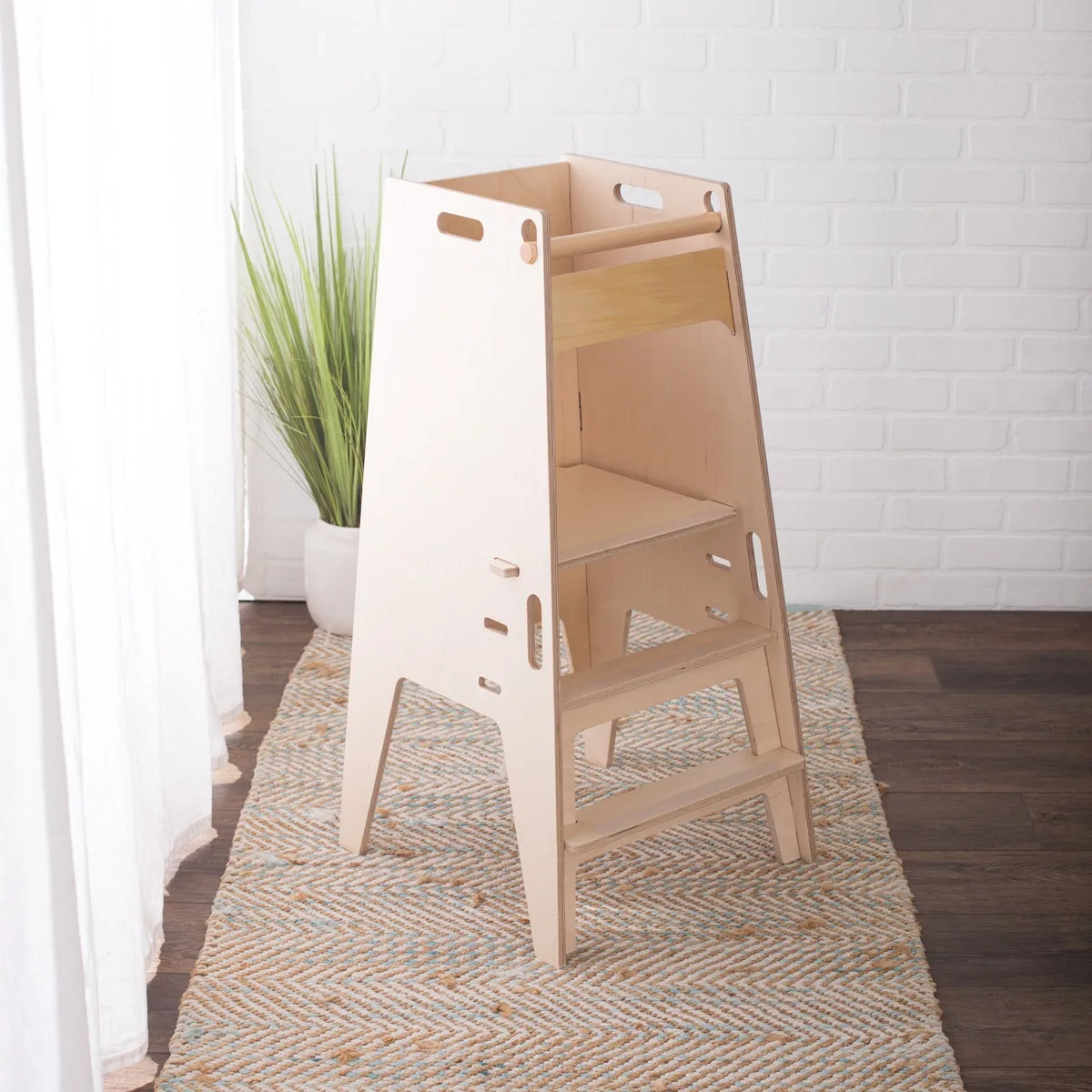
A weaning table is a low, child-sized table and chair set that allows your toddler to sit independently during meals. Unlike a high chair, which confines the child and places them at adult height, a weaning table empowers them to make choices—where to sit, how to arrange their plate, and when to get up. This autonomy is a cornerstone of the Montessori philosophy, which emphasizes respect for the child’s natural development.
Research shows that when toddlers have control over their eating environment, they are more likely to try new foods, develop healthy eating habits, and build fine motor skills through self-feeding. A weaning table also reduces power struggles at mealtime, as the child feels a sense of ownership over the process. Plus, it’s easier for parents to supervise without hovering, and cleanup is simpler with a dedicated, low surface.
- Promotes independence and self-confidence
- Encourages exploration of new foods
- Reduces mealtime battles and fussiness
- Supports fine motor development through self-serving
When Is Your Toddler Ready for a Weaning Table?
Most children are ready to transition between 12 and 18 months, but readiness depends more on developmental cues than age. Look for signs that your child can sit up steadily without support, shows interest in feeding themselves, and can communicate basic needs like 'more' or 'all done.' If your toddler frequently tries to climb out of their high chair or refuses to sit still, it may be time to offer a more flexible option.
Another key indicator is the ability to follow simple instructions, such as 'sit down' or 'stay at the table.' If your child is easily distracted or still needs significant help with eating, you might wait a few more weeks. The goal is to set them up for success, not frustration. Start with one meal per day at the weaning table, gradually increasing as they become comfortable.
- Can sit independently without support
- Shows interest in self-feeding
- Able to follow simple verbal cues
- Frequently tries to escape the high chair
Step 1: Choose the Right Weaning Table and Chair
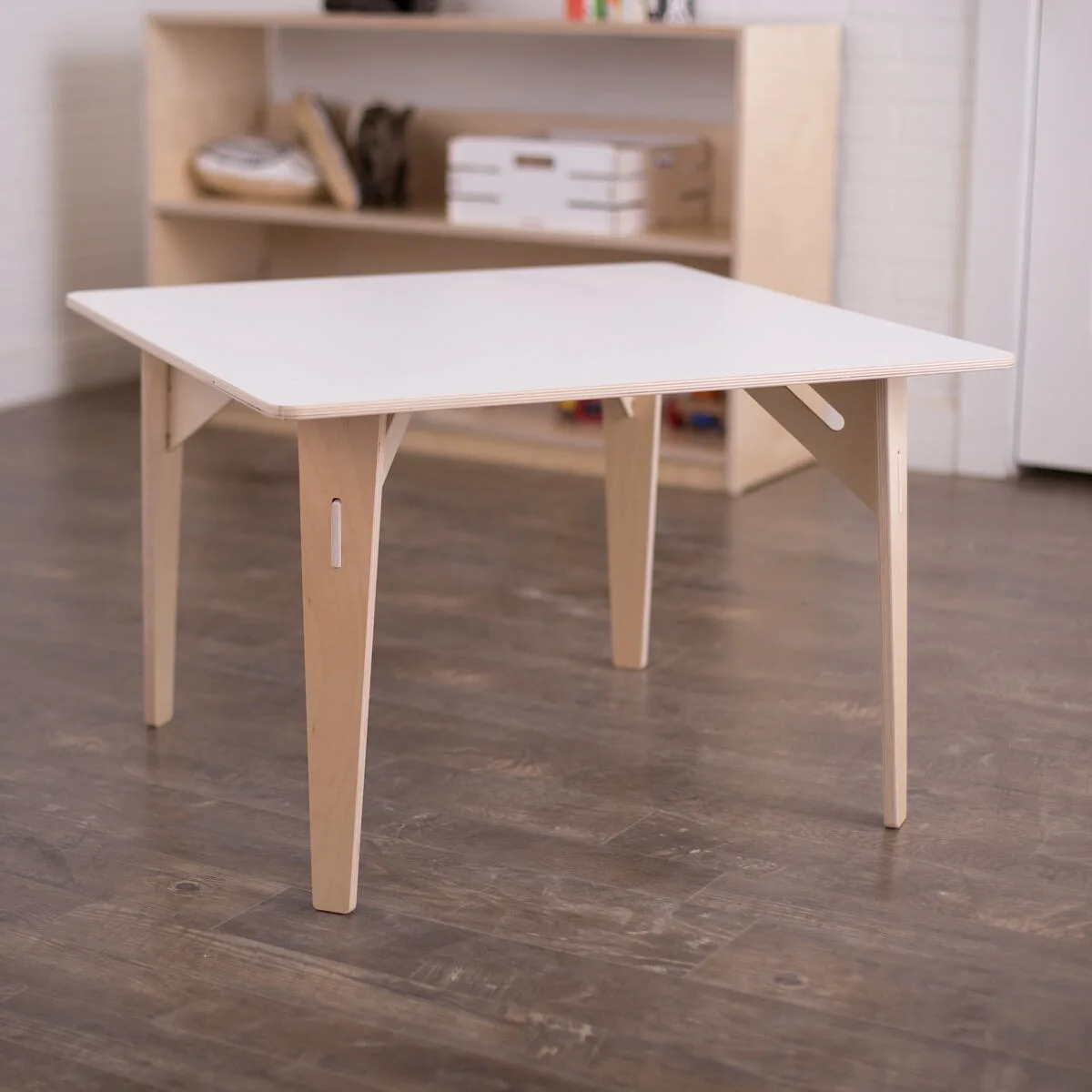
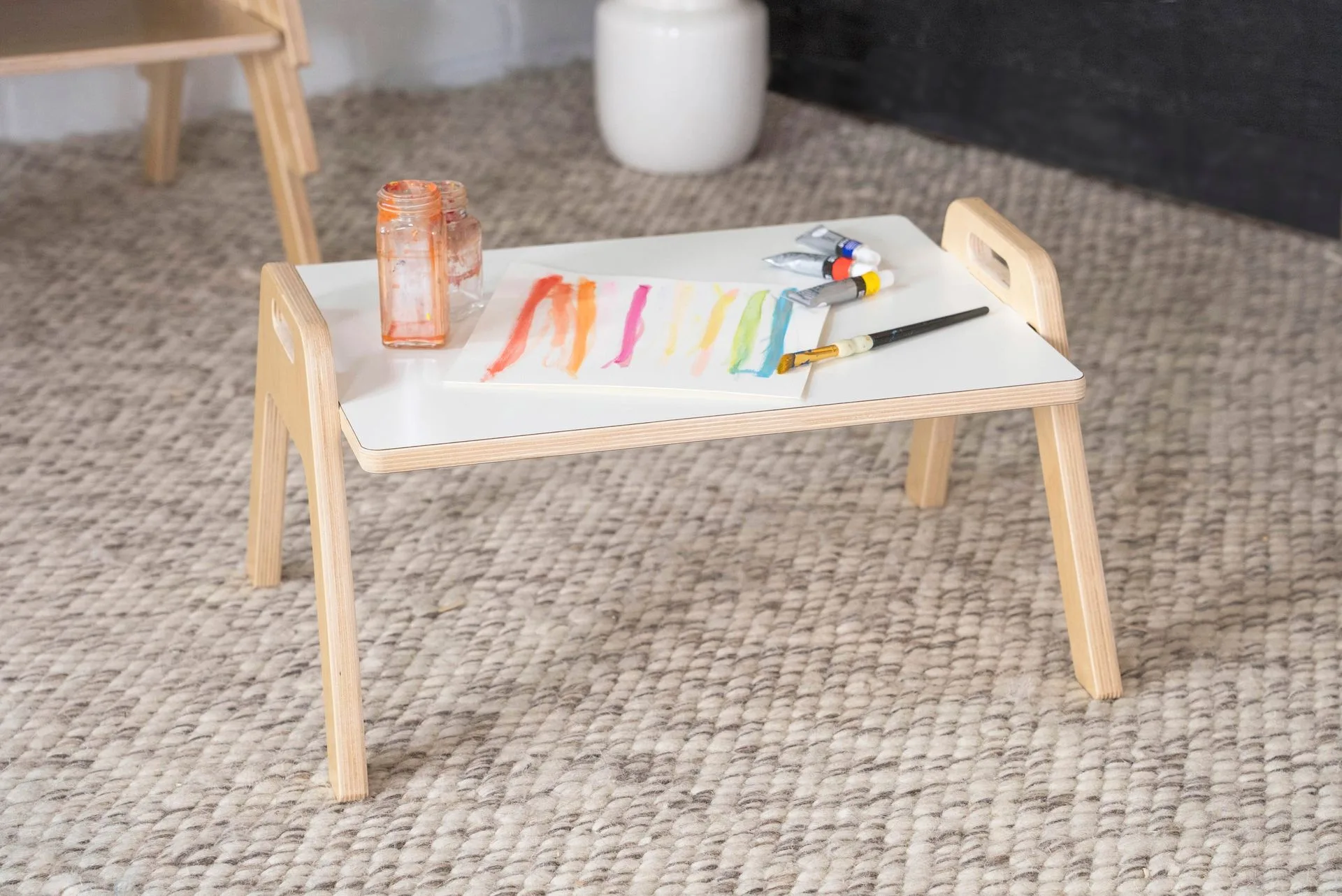
Selecting the right furniture is crucial for a successful transition. Look for a table that is low enough for your child to sit with their feet flat on the floor and their knees at a 90-degree angle. The chair should be sturdy, lightweight enough for them to move, and have a small footprint to fit in your kitchen or dining area. A popular option is the Weaning Kids Table, which is designed specifically for this purpose with a smooth, easy-to-clean surface and a height that works for toddlers aged 12 months and up.
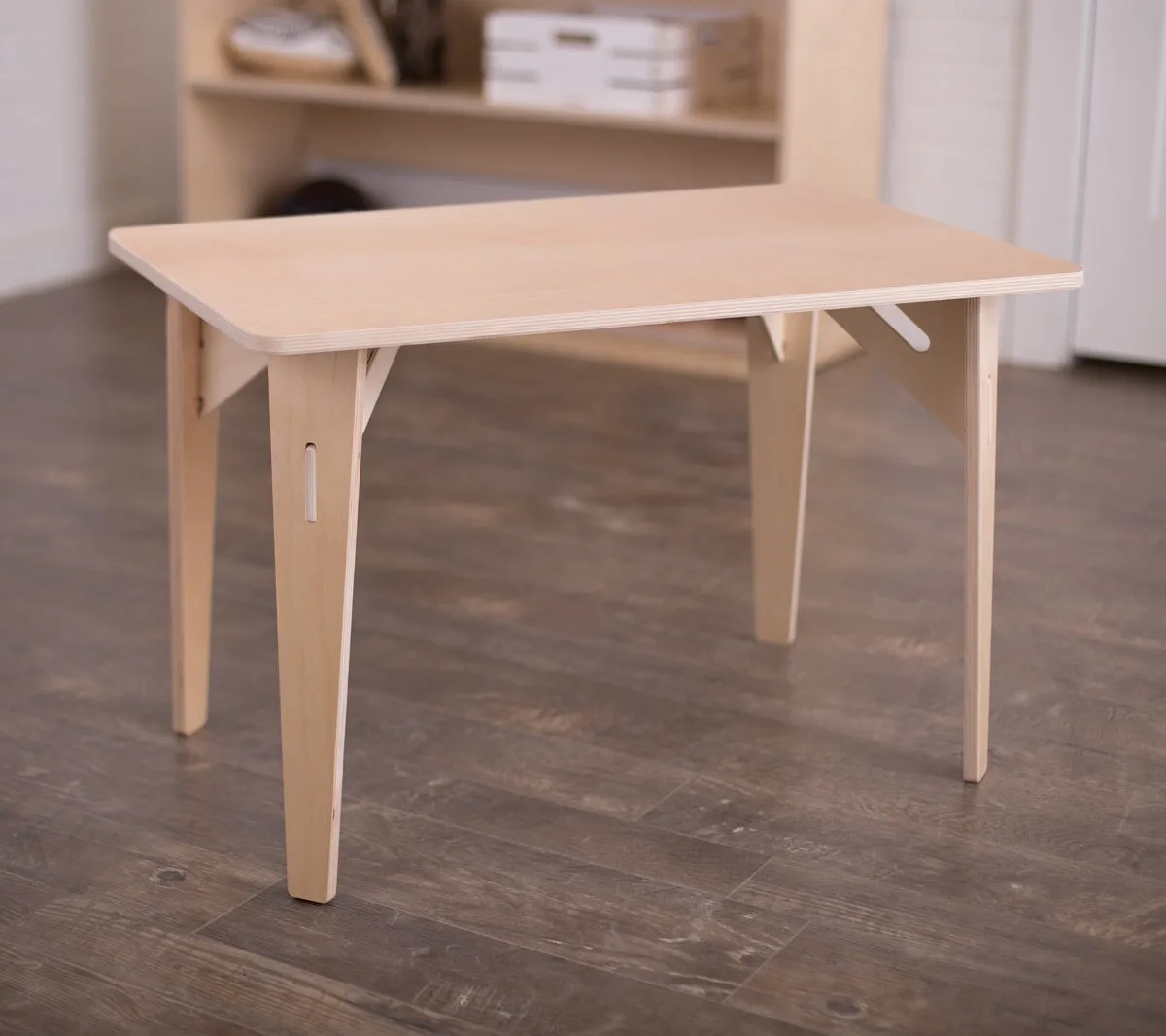
Weaning Kids Table
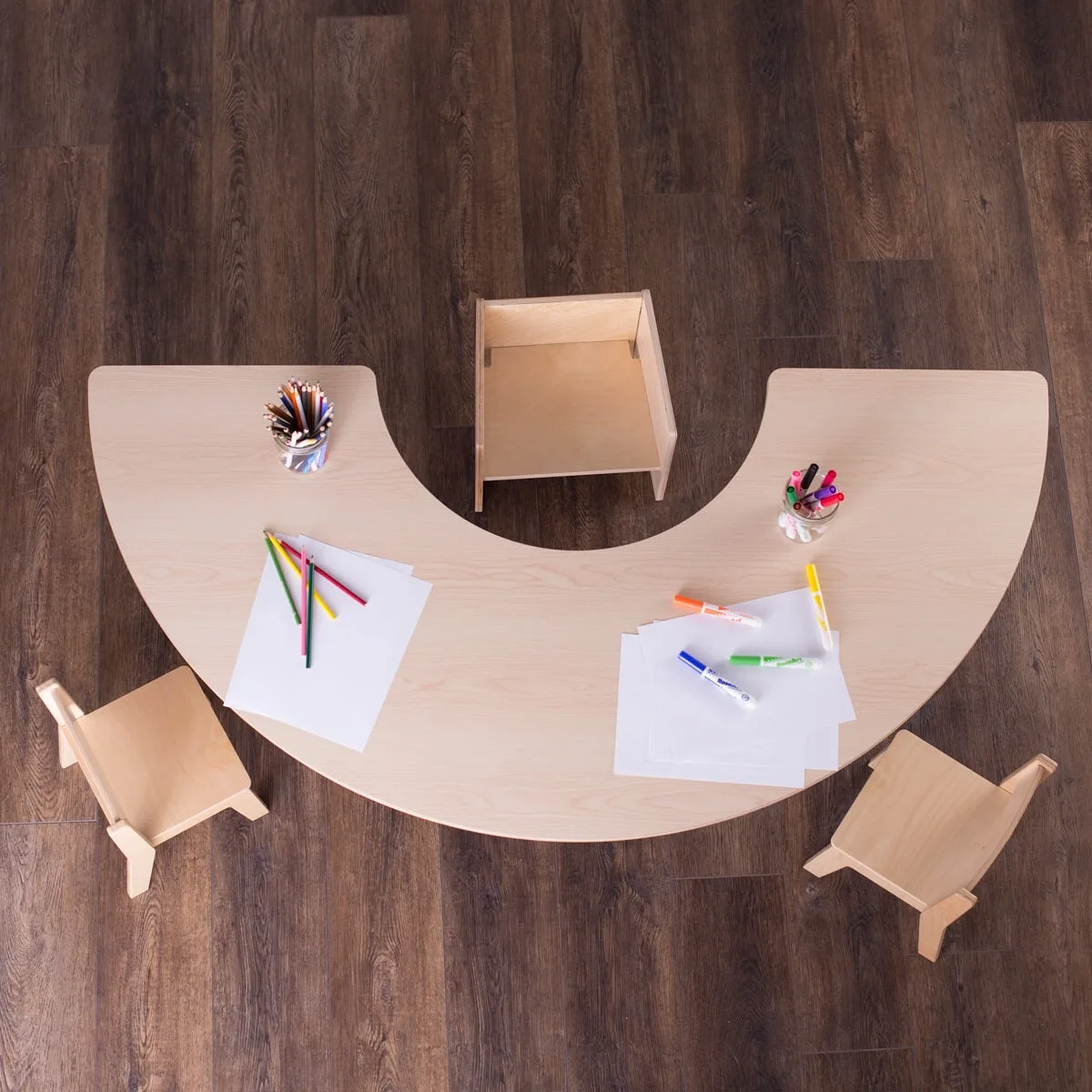
You’ll also want to consider the material. Solid wood is durable and non-toxic, while some parents prefer a wipe-clean laminate surface. Avoid tables with sharp edges or unstable legs. If you have multiple children, you might opt for a slightly larger set like the Petra Table Collection, which offers more space for siblings or friends to join. Remember, the table should be a welcoming space—avoid clutter and keep only a few items on it to prevent distractions.
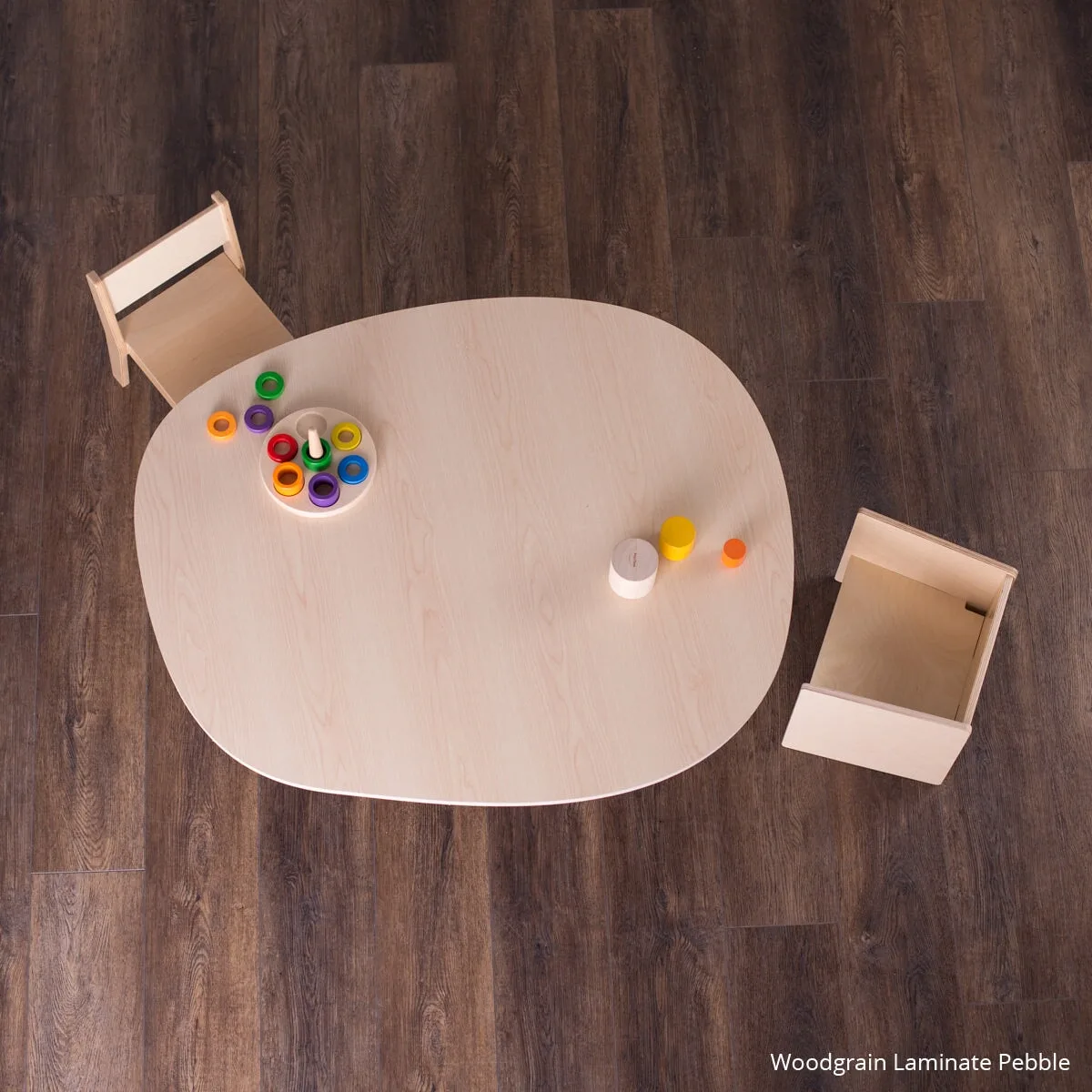
Petra Table Collection
- Look for a table height that allows feet flat on the floor
- Choose a sturdy, lightweight chair
- Consider solid wood or wipe-clean surfaces
- Keep the table simple and uncluttered
Step 2: Set Up a Child-Friendly Mealtime Environment
Once you have the furniture, it’s time to create a space that invites your toddler to participate. Place the weaning table in a corner of the kitchen or dining area where you can easily supervise but where your child feels they have their own domain. Use a small, child-sized placemat to define their eating area, and offer a tiny pitcher of water for them to practice pouring.
Stock the table with toddler-safe dishes and utensils that are easy to grasp. A small bowl, a shallow plate, and a short cup are all your child needs. Avoid overloading the table with choices—two or three food options is plenty. You can also include a small napkin and a spoon for practice. The goal is to make mealtime feel like a special ritual, not a chore.
- Use a child-sized placemat to define the eating area
- Offer toddler-safe dishes and utensils
- Keep food choices simple (2-3 options)
- Include a small pitcher for water pouring practice
Step 3: Introduce the Weaning Table Gradually
Start by using the weaning table for just one meal a day—perhaps breakfast or a snack, when your child is most relaxed. Sit with them at their level to model good eating habits. You can even use a small stool or sit on the floor nearby. Let them explore the table, touch the dishes, and get comfortable with the new setup.
If they resist, don’t force it. Simply offer the high chair as a backup and try again the next day. Consistency is key, but so is patience. Over a week or two, most toddlers will naturally gravitate toward the weaning table because it gives them a sense of control. Once they’re comfortable, you can phase out the high chair entirely.
- Start with one meal per day
- Sit with your child at their level
- Be patient if they resist—offer the high chair as backup
- Phase out the high chair once they’re comfortable
Step 4: Encourage Independence with Self-Serving
A key Montessori principle is allowing children to serve themselves. Place small portions of food in a central bowl or on a serving plate within your child’s reach. Show them how to use a small spoon or scoop to transfer food to their own plate. At first, they may make a mess, but that’s part of the learning process. Use a splat mat under the table to make cleanup easier.
Praise their efforts, even if they spill. Focus on the process, not the outcome. Over time, they’ll develop better coordination and confidence. You can also involve them in setting the table—placing their own plate, cup, and utensils. This builds a sense of responsibility and makes mealtime more enjoyable for everyone.
- Place food in a central bowl for self-serving
- Use a splat mat for easy cleanup
- Praise effort, not perfection
- Involve your child in setting the table
Step 5: Establish a Consistent Routine
Toddlers thrive on routine, so try to have meals at the same time each day. Create a simple pre-meal ritual, like washing hands together or singing a short song. This signals to your child that it’s time to eat and helps them transition from playtime to mealtime. Keep the atmosphere calm and positive—avoid screens or toys at the table.
Allow your child to decide when they’re done, even if they’ve only eaten a few bites. Forcing them to stay or eat more can lead to power struggles. Instead, trust their appetite and let them leave the table when they’re ready. Over time, they’ll learn to listen to their own hunger cues, which is a vital life skill.
- Keep meal times consistent
- Create a simple pre-meal ritual
- Avoid screens and toys at the table
- Let your child decide when they’re finished
Common Challenges and How to Overcome Them
It’s normal to encounter a few bumps along the way. Some toddlers refuse to sit at the new table, preferring the familiarity of the high chair. Others may treat the table as a toy, climbing on it or using it as a drum. Stay calm and redirect gently. If climbing is an issue, remind them that the table is for eating, and offer a different activity for play.
Mess is another common concern. Remember that spills are part of learning. Use a washable placemat and keep a damp cloth nearby. If your child is particularly messy, you can serve foods that are less likely to stain. Over time, their motor skills will improve, and messes will decrease. The key is to remain patient and consistent.
- Redirect climbing behavior calmly
- Use washable placemats and keep a cloth handy
- Serve less messy foods initially if needed
- Trust the process—skills improve with practice
Transitioning your toddler from a high chair to a weaning table is a beautiful step toward fostering independence and healthy eating habits. With the right furniture, a supportive environment, and a little patience, you’ll create a mealtime routine that benefits your whole family. Ready to get started? Explore the Weaning Kids Table to find the perfect fit for your little one.