Switching from a traditional flat leash to a climbing rope leash can feel like a big change for both you and your dog. Traditional leashes are often made of nylon or leather, offering limited flexibility and grip, while climbing rope leashes are crafted from dynamic rope material that provides superior durability, comfort, and control. Whether you're upgrading for trail adventures or everyday walks, this guide will help you make the transition smooth and stress-free.
Climbing rope leashes, like those from Wilderdog, are designed with outdoor enthusiasts in mind. They offer excellent grip, reduce leash bite, and are built to withstand rugged conditions. But your dog may need time to adjust to the different feel and weight. With patience and the right approach, you can help your pup embrace the new leash and enjoy all its benefits.
Why Make the Switch to a Climbing Rope Leash?
Climbing rope leashes are not just a trend—they are a practical upgrade for active dogs and their owners. The dynamic rope material absorbs shock better than traditional nylon webbing, reducing strain on your dog's neck and your hands during sudden pulls. This makes them ideal for hikes, runs, or any adventure where your dog might lunge after a squirrel or stop abruptly.
Additionally, climbing rope leashes are highly durable and weather-resistant. They won't absorb water, get stiff in cold weather, or fray easily like traditional leashes. For dogs that love to swim or explore muddy trails, a climbing rope leash is a game-changer. Wilderdog's climbing rope leashes, such as the Havasu Ultralight Leash, offer a lightweight yet robust option that won't weigh you down.
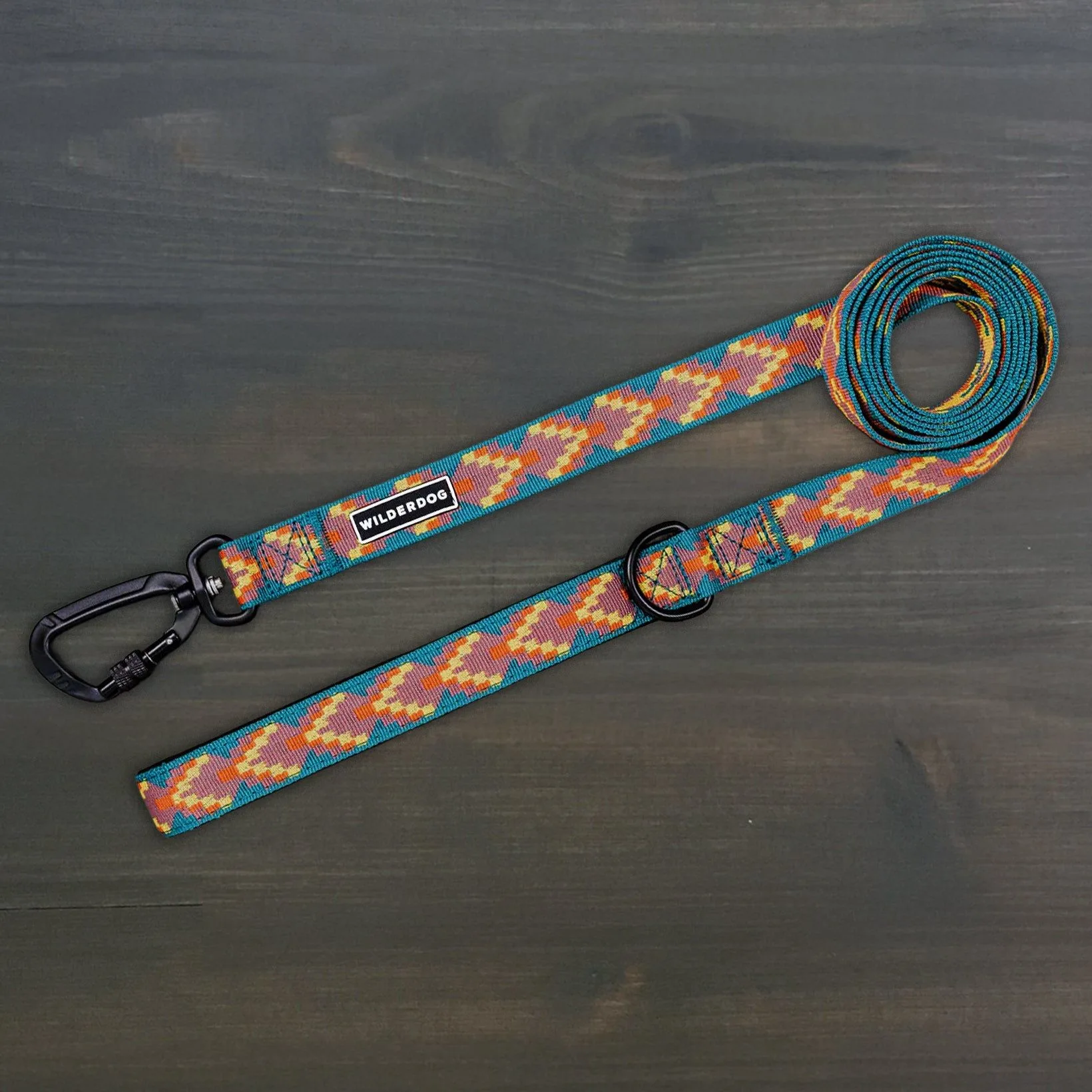
Havasu Ultralight Leash
- Superior grip and comfort for your hands
- Shock-absorbing material reduces impact
- Weather-resistant and long-lasting
- Ideal for hiking, running, and water activities
Step 1: Introduce the New Leash Gradually
Start by letting your dog sniff and explore the climbing rope leash indoors. Attach it to your dog's collar or harness for short periods (5–10 minutes) while you're at home, allowing them to get used to the weight and texture. Reward calm behavior with treats and praise. This positive association is crucial for a successful transition.
Next, take a few short walks around your yard or a quiet area. Keep the sessions brief—no more than 10–15 minutes—and focus on loose-leash walking. If your dog seems hesitant or pulls more than usual, go back to the traditional leash for a day and try again. Patience is key.
- Use high-value treats to create positive associations
- Keep initial sessions short and low-distraction
- Gradually increase walk duration over several days
Step 2: Adjust Your Handling Technique
Climbing rope leashes have a different feel in your hand compared to flat nylon leashes. They are typically rounder and more textured, offering better grip but requiring a slight adjustment in how you hold them. Practice holding the leash with a relaxed grip, allowing the rope to slide through your fingers if needed, rather than gripping tightly.
For dogs that tend to pull, the climbing rope's shock absorption can help reduce the jolt. However, you may need to use a shorter grip or a different hand position to maintain control. Consider pairing the leash with a well-fitted harness for added safety. Wilderdog's Extra Carabiner can be a handy addition for quick attachment changes during hikes.
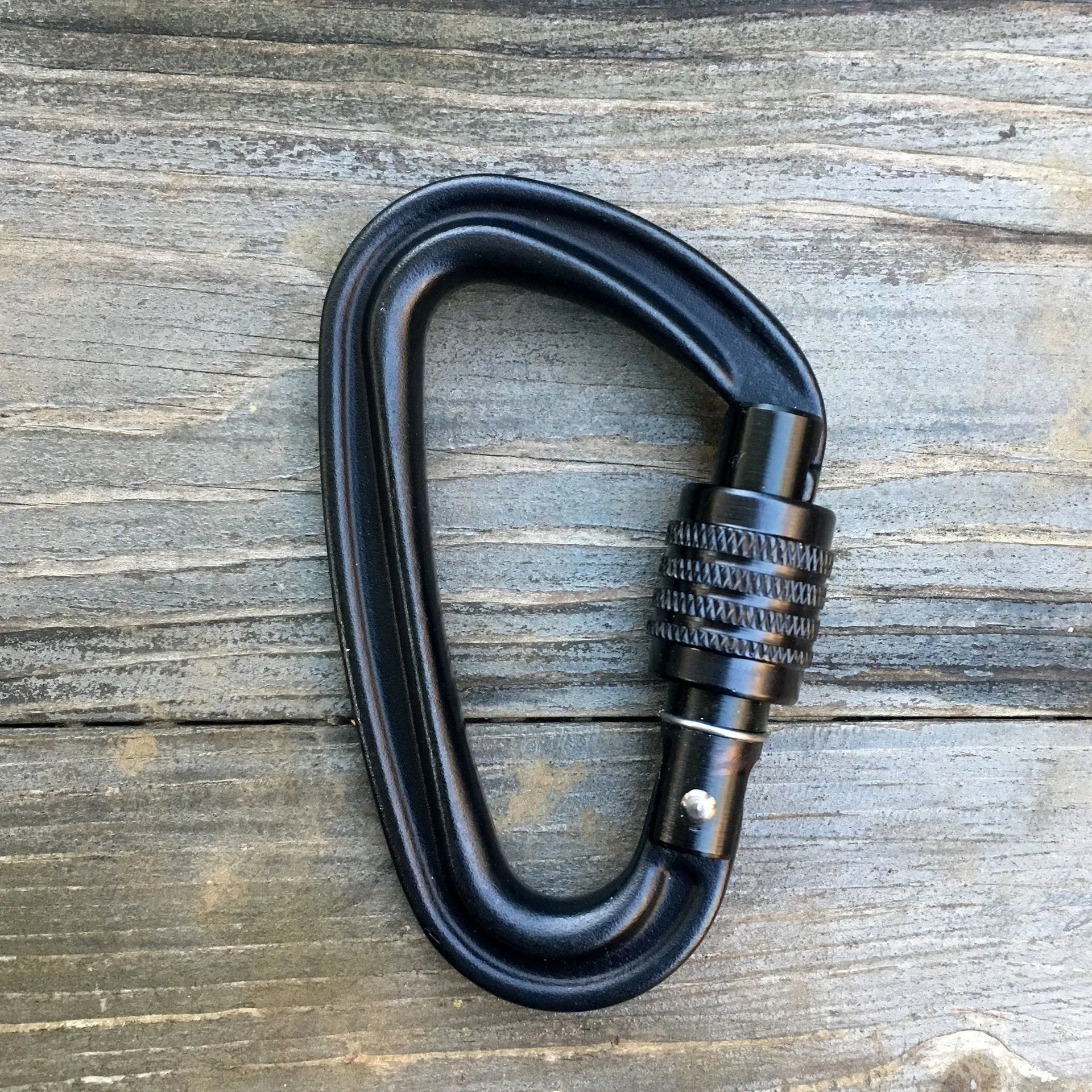
Extra Carabiner
- Hold the leash with a relaxed but secure grip
- Use a harness for better control during the transition
- Practice releasing and re-gripping the leash smoothly
Step 3: Practice in Different Environments
Once your dog is comfortable on quiet streets, gradually introduce more challenging environments like parks, trails, or areas with other dogs. The new leash may feel different underfoot or when wet, so allow your dog to explore at their own pace. Use the same positive reinforcement techniques to build confidence.
Pay attention to your dog's body language. If they seem anxious or avoid the leash, take a step back. Some dogs take longer to adjust, especially if they are sensitive to new textures. For small or timid dogs, consider a lighter option like the Climbing Rope Small Dog Leash, which is designed for smaller breeds and offers a gentler transition.
- Gradually increase distraction levels
- Monitor your dog's comfort and stress signals
- Use a shorter leash in high-traffic areas initially
Step 4: Troubleshooting Common Challenges
Some dogs may initially pull harder on a climbing rope leash because of the different feedback. If this happens, stop walking and wait for your dog to relax before continuing. You can also try using a slip lead or a quick clip leash for easier on-and-off control during training sessions.
If your dog chews on the leash, redirect their attention with a toy or treat. Climbing rope is durable but not chew-proof, so discourage this behavior early. For dogs that are nervous about the new texture, try rubbing the leash with your hands to transfer your scent, making it more familiar.
- Stop and wait if your dog pulls excessively
- Redirect chewing with toys or treats
- Use scent transfer to make the leash feel familiar
Transitioning to a climbing rope leash is a rewarding upgrade that enhances your adventures with your dog. With patience and consistent training, your pup will soon enjoy the comfort and control of their new gear. Ready to make the switch? Check out the Havasu Ultralight Leash for a lightweight, adventure-ready option that both you and your dog will love.