Switching your dog from a collar to a harness can feel like a big change—for both of you. Whether you're looking for better control during walks, reducing strain on your dog's neck, or simply upgrading to a more comfortable option, a harness offers many benefits. But making the transition smoothly requires patience, positive reinforcement, and the right gear.
In this guide, we'll walk you through every step of the process, from choosing the right harness to helping your dog feel confident and happy wearing it. We'll also cover common challenges and how to overcome them, so you and your pup can enjoy stress-free walks together.
Why Switch from a Collar to a Harness?
Collars have been the traditional choice for dog walking for decades, but they aren't always the best option for every dog. Harnesses distribute pressure more evenly across the chest and back, reducing the risk of neck injuries, especially for small breeds or dogs that pull. They also provide better control, making walks safer and more enjoyable for both you and your pet.
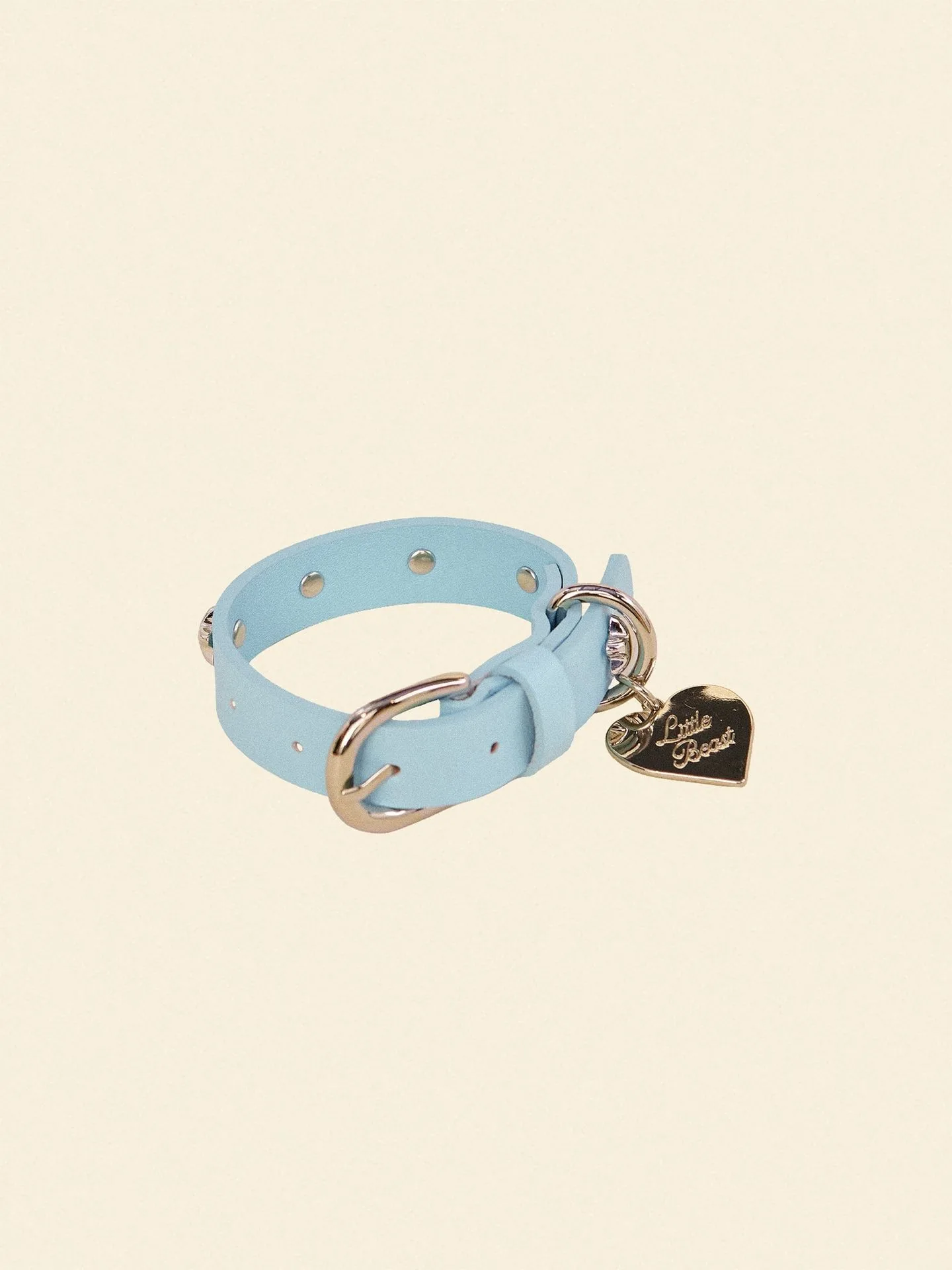
For dogs with respiratory issues, tracheal sensitivity, or those recovering from surgery, a harness is often recommended by veterinarians. Additionally, harnesses can help prevent escape—some dogs are masters at slipping out of collars. The You Mean The World To Me Collar - Peony is a beautiful collar option, but for everyday walking and training, a harness often provides superior safety and comfort.
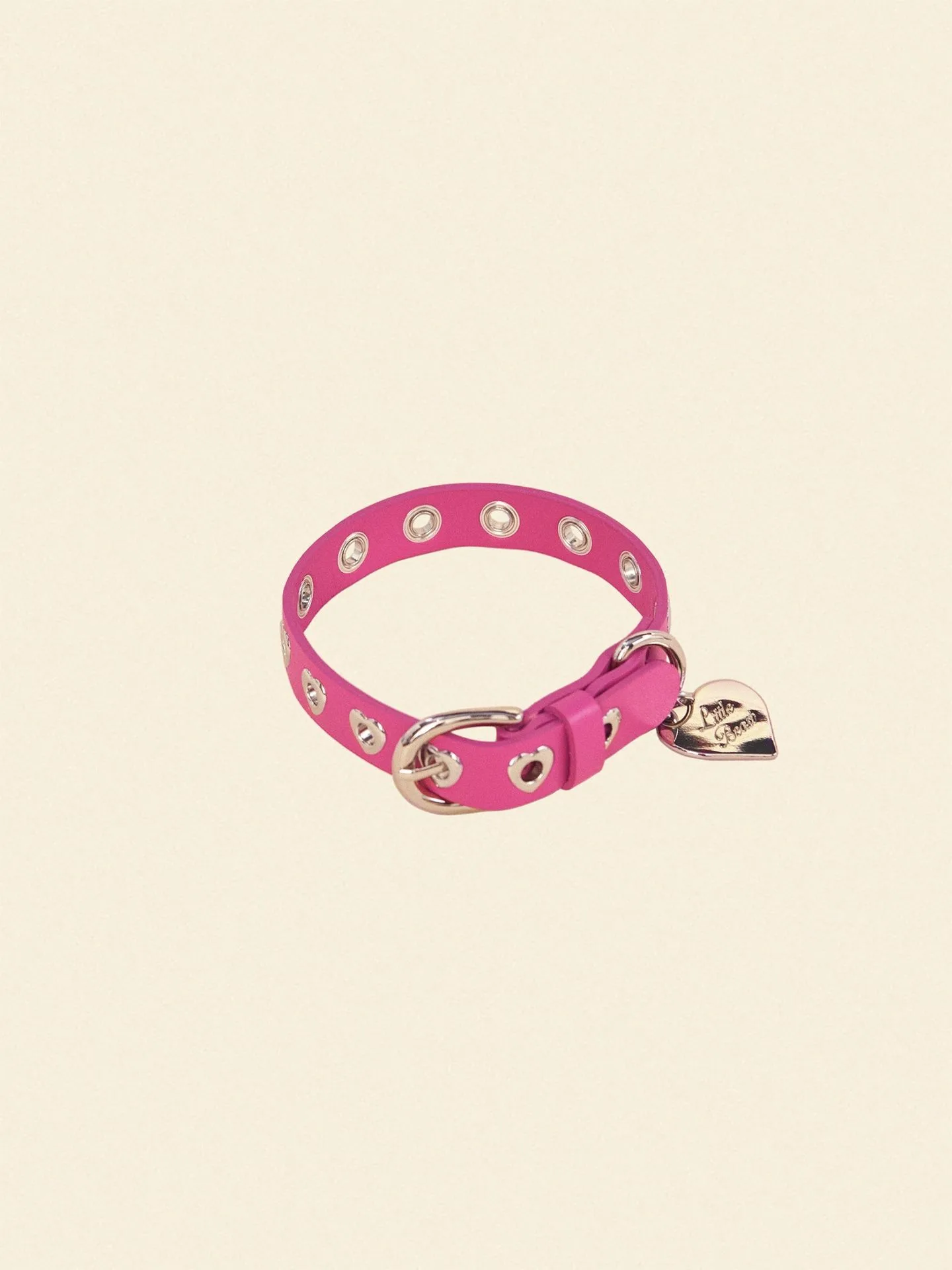
You Mean The World To Me Collar - Peony
- Reduces neck strain and risk of injury
- Better control for pullers and strong dogs
- Ideal for dogs with breathing or trachea issues
Step 1: Choose the Right Harness
Not all harnesses are created equal. The first step in a successful transition is selecting a harness that fits your dog's body type, size, and walking style. Look for a harness with adjustable straps, padded chest pieces, and a sturdy D-ring for leash attachment. Front-clip harnesses can discourage pulling, while back-clip models are great for calm walkers.
Measure your dog's chest girth and neck circumference carefully, and check the manufacturer's sizing guide. A harness that is too tight can chafe, while one that is too loose may allow your dog to slip out. If your dog has a thick coat or is between sizes, consider a style with multiple adjustment points for a custom fit.
- Measure your dog's chest and neck before buying
- Choose between front-clip, back-clip, or dual-clip designs
- Look for padded straps and breathable materials
Step 2: Introduce the Harness Slowly
Dogs can be wary of new equipment, especially if they've only ever worn a collar. Start by letting your dog sniff and investigate the harness while it's on the floor. Reward calm behavior with treats and praise. Next, drape the harness over your dog's back without fastening it, then give a treat. Repeat this several times over a few days.
Once your dog is comfortable with the harness being near them, try fastening it for a few seconds at a time. Keep the sessions short and positive. If your dog shows signs of stress—like freezing, tucking their tail, or trying to remove the harness—take a step back and go slower. Patience is key to building trust.
- Let your dog sniff and explore the harness first
- Use high-value treats to create positive associations
- Gradually increase wearing time from seconds to minutes
Step 3: Practice Indoors Before Heading Outside
Before you attach the leash, let your dog wear the harness around the house for short periods. This helps them get used to the sensation of wearing it without the added distraction of the outdoors. Play a game, offer treats, or engage in a favorite activity to keep their mind off the new gear.
Once your dog seems relaxed, clip on the leash and walk a few steps indoors. Reward any calm, confident behavior. If your dog tries to pull or stop, gently encourage them with a treat and a cheerful voice. The goal is to make the harness feel like a normal part of the routine, not something to fear.
- Start with 5-10 minute indoor sessions
- Pair harness time with fun activities like play or training
- Gradually add the leash and practice loose-leash walking indoors
Step 4: Make the First Outdoor Walk a Success
When you're ready to head outside, choose a quiet, familiar environment with minimal distractions. Keep the first walk short—just 5 to 10 minutes. Use a consistent, gentle leash hold and reward your dog for walking calmly beside you. If your dog pulls, stop walking and wait until they relax before continuing.
Remember that your dog may need a few outdoor sessions to fully adjust. Be patient and keep the mood positive. If you notice your dog is still uncomfortable, go back to indoor practice for a few more days. Consistency and positive reinforcement will help your dog learn that the harness means fun walks and treats.
- Pick a low-distraction area for the first few walks
- Keep walks short and reward calm behavior
- If pulling occurs, stop and wait for slack in the leash
Step 5: Gradually Increase Duration and Complexity
Once your dog is comfortable with short walks, you can gradually increase the length and introduce new environments. Practice walking on different surfaces, past other dogs, and in busier areas. Each new challenge is an opportunity to reinforce good leash manners and build your dog's confidence in the harness.
As your dog becomes more accustomed to the harness, you can also experiment with different leash attachments or training techniques. Some dogs respond well to a front-clip harness for gentle steering, while others prefer the freedom of a back clip. Pay attention to what works best for your dog's unique personality and walking style.
- Increase walk duration by 5 minutes each week
- Introduce new environments gradually
- Observe your dog's body language for signs of stress or comfort
Common Challenges and How to Overcome Them
Some dogs resist the harness by freezing, rolling on the ground, or trying to chew it off. If this happens, don't force the issue. Instead, try a different style of harness that might be less intrusive. A step-in harness, for example, can be easier for dogs who dislike things going over their head. You can also try pairing the harness with a favorite treat or toy to create a positive association.
If your dog continues to pull even after the transition, consider using a front-clip harness or a training leash that gives you more control. Consistent training and patience are essential. Remember, every dog adjusts at their own pace, and some may take weeks to feel completely at ease.
- Try a step-in harness if your dog resists overhead styles
- Use high-value rewards to overcome fear or resistance
- Consider a front-clip harness for persistent pullers
Complement Your Harness with the Right Gear
While a harness is great for walks, you might still want a collar for ID tags or a more formal look. The You Mean The World To Me Collar - Peony is a stylish option that pairs beautifully with a harness for a complete walking setup. Additionally, for cooler weather, The Love Sweater offers cozy comfort that layers well under or over a harness, keeping your pup warm without restricting movement.
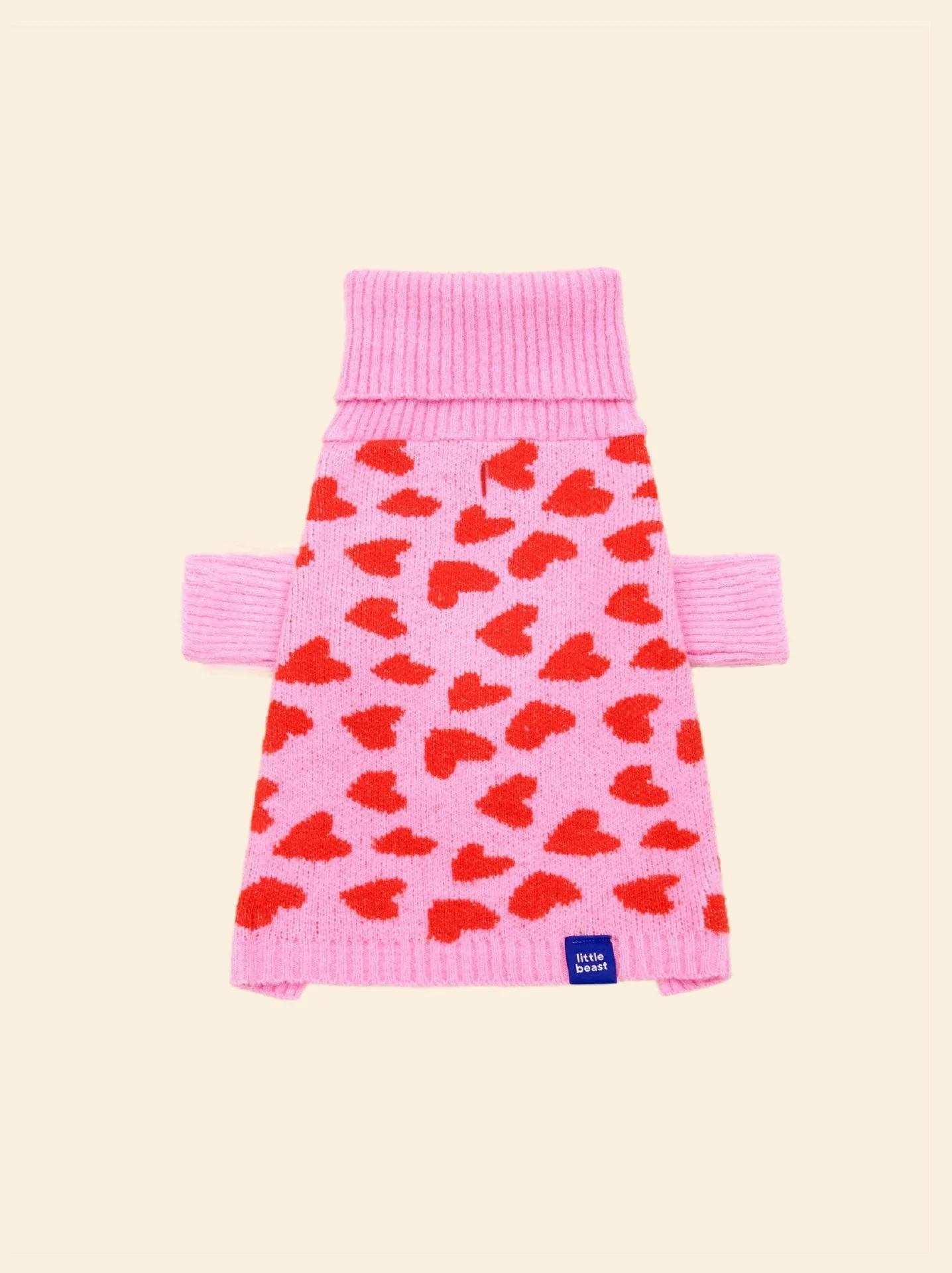
The Love Sweater
Having the right equipment makes the transition smoother and more enjoyable for both you and your dog. Invest in quality pieces that fit well and suit your dog's lifestyle, and you'll set the stage for many happy walks ahead.
- Use a collar for ID tags and a harness for walks
- Layer a sweater or coat over the harness in cold weather
- Choose gear that complements your dog's size and activity level
Transitioning from a collar to a harness doesn't have to be stressful. With patience, positive reinforcement, and the right equipment, your dog will soon see their harness as a signal for fun adventures. Start your journey today by exploring the You Mean The World To Me Collar - Peony, a beautiful accessory that pairs perfectly with any harness for a complete and stylish walking experience.