Bringing home a new dog bed can feel like a win for you—but for your pup, it might be a source of confusion or even stress. Dogs are creatures of habit, and their sleeping spot is often tied to comfort, security, and familiar scents. Whether you're upgrading to a plush orthopedic bed or simply replacing a worn-out one, a sudden change can disrupt your dog's sleep routine and lead to avoidance behaviors.
The good news? With a little patience and the right approach, you can make the transition seamless. In this guide, we’ll walk you through proven strategies to help your dog embrace their new bed, from scent transfer to gradual introduction. You’ll also discover how to choose a bed that matches your dog’s sleeping habits—and why products like the City Carrier Bag can make travel and sleep setups even easier.
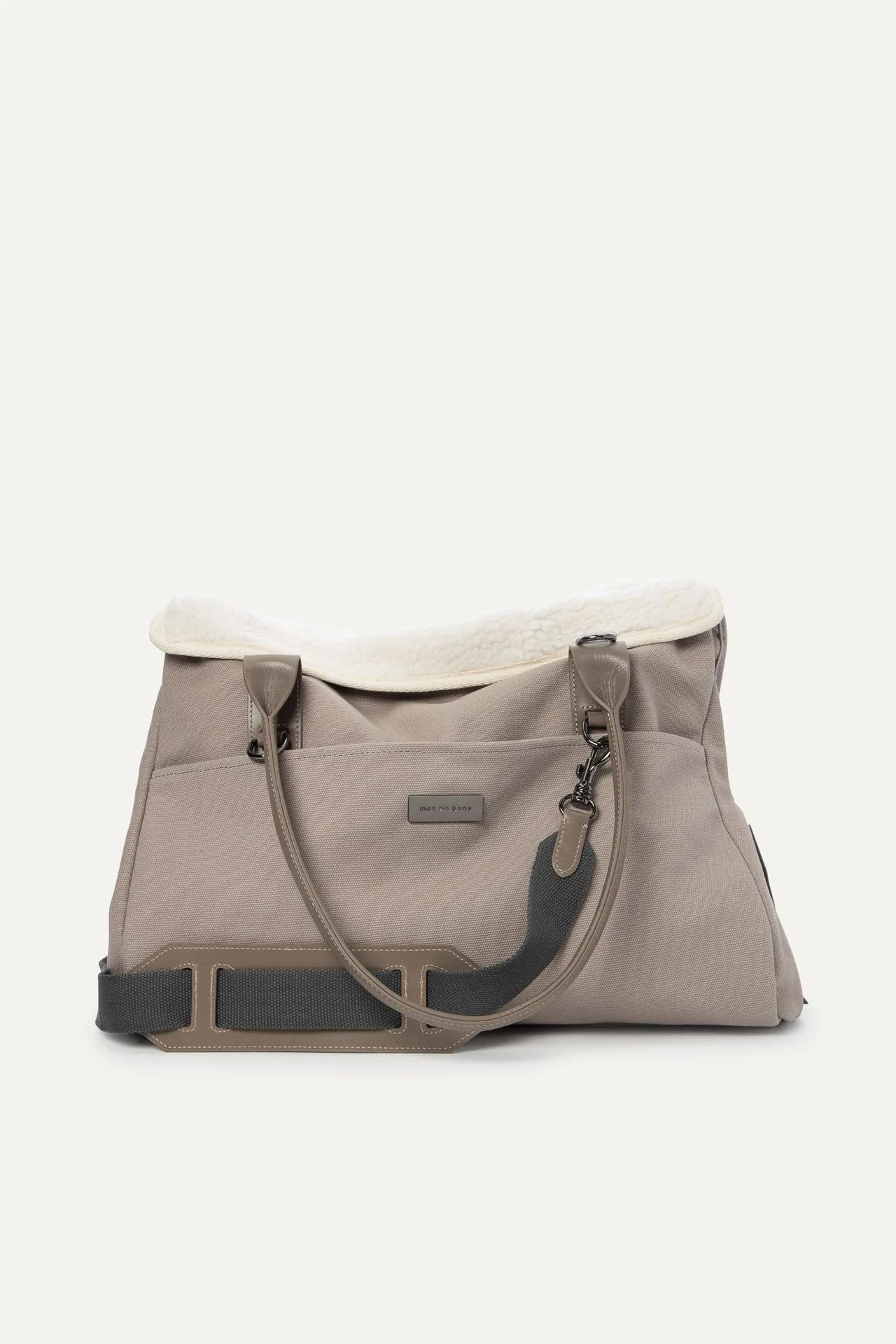
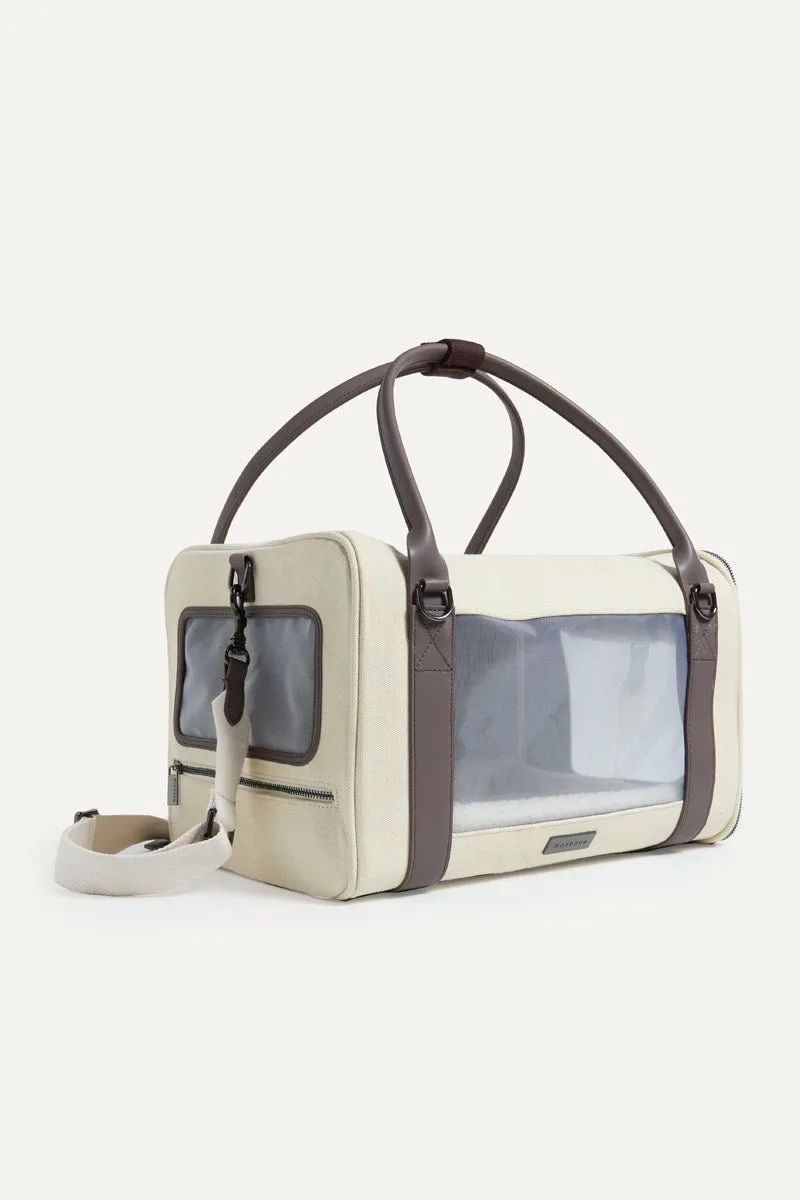
City Carrier Bag
Why Dogs Resist New Beds: Understanding the Psychology
Dogs rely heavily on their sense of smell to feel safe. A new bed often smells like plastic, factory, or unfamiliar materials—none of which signal "home." Additionally, your dog may have formed a strong attachment to their old bed, associating it with warmth, relaxation, and positive memories. This is especially true for rescue dogs or those with anxiety, who may view their bed as a safe zone.
Another factor is texture and firmness. If your dog is used to a soft, cushioned surface, a firmer orthopedic bed might feel alien. Similarly, a bed with raised rims or bolsters can be intimidating for dogs who prefer open spaces. Recognizing these triggers helps you tailor the transition to your dog’s unique personality.
- Place the new bed next to the old one for a few days so your dog can investigate it at their own pace.
- Rub a familiar blanket or your worn t-shirt on the new bed to transfer comforting scents.
Step-by-Step Transition Plan: From Old to New
Start by placing the new bed in the same location as the old one—dogs associate specific spots with rest. Leave the old bed nearby for the first few days so your dog has a backup option. Gradually move the old bed further away until your dog chooses the new one consistently.
Use positive reinforcement: toss treats or favorite toys onto the new bed to create positive associations. You can also feed your dog their meals on the bed or practice short "settle" commands there. For dogs who are hesitant, try the "bed swap" method: swap the covers or pads between the old and new beds so the new one inherits familiar scents.
If your dog sleeps in a crate, insert the new bed into the crate during daytime naps before using it overnight. The confined space can make the new bed feel more secure. Patience is key—some dogs take a week or more to fully accept a change.
- Avoid forcing your dog onto the bed—let them explore it on their own terms.
- Reward any interaction with the new bed, even if it's just sniffing or stepping on it.
Choosing the Right Bed for Your Dog’s Sleeping Habits
Every dog has a preferred sleeping position—curled up, sprawled out, or stretched on their side. A bed that matches their style increases the likelihood of adoption. For example, dogs who love to burrow may prefer a donut or cave bed, while those who stretch out need a large, flat mattress. Orthopedic beds are ideal for senior dogs or breeds prone to joint issues like hip dysplasia.
Consider the bed’s material and washability. Dogs who shed heavily or have allergies benefit from beds with removable, machine-washable covers. If you travel often, a portable option like the City Carrier Bag can double as a travel bed or storage for your dog’s sleep essentials. For added comfort, look for beds with non-slip bottoms and cooling features for warmer months.
- Measure your dog from nose to tail while they’re sleeping to ensure the bed is large enough.
- Check for chew-resistant zippers and reinforced stitching if your dog is a digger or chewer.
Using Accessories to Make the New Bed Irresistible
Scent is your strongest tool. Place a familiar toy or blanket on the new bed, or use a calming spray like the Smellin' Good Coat Spray to add a soothing aroma. You can also hide a few treats under the bed’s cover to encourage exploration.
Temperature can also influence acceptance. In colder months, a heated pad or extra blanket can make the bed cozier. During summer, a cooling mat or elevated bed might be more appealing. If your dog is particularly anxious, consider using a pheromone diffuser near the bed to promote relaxation.
- Rotate toys on the bed to keep it interesting—try the Decagon Rubber Toy for interactive play that ends in the bed.
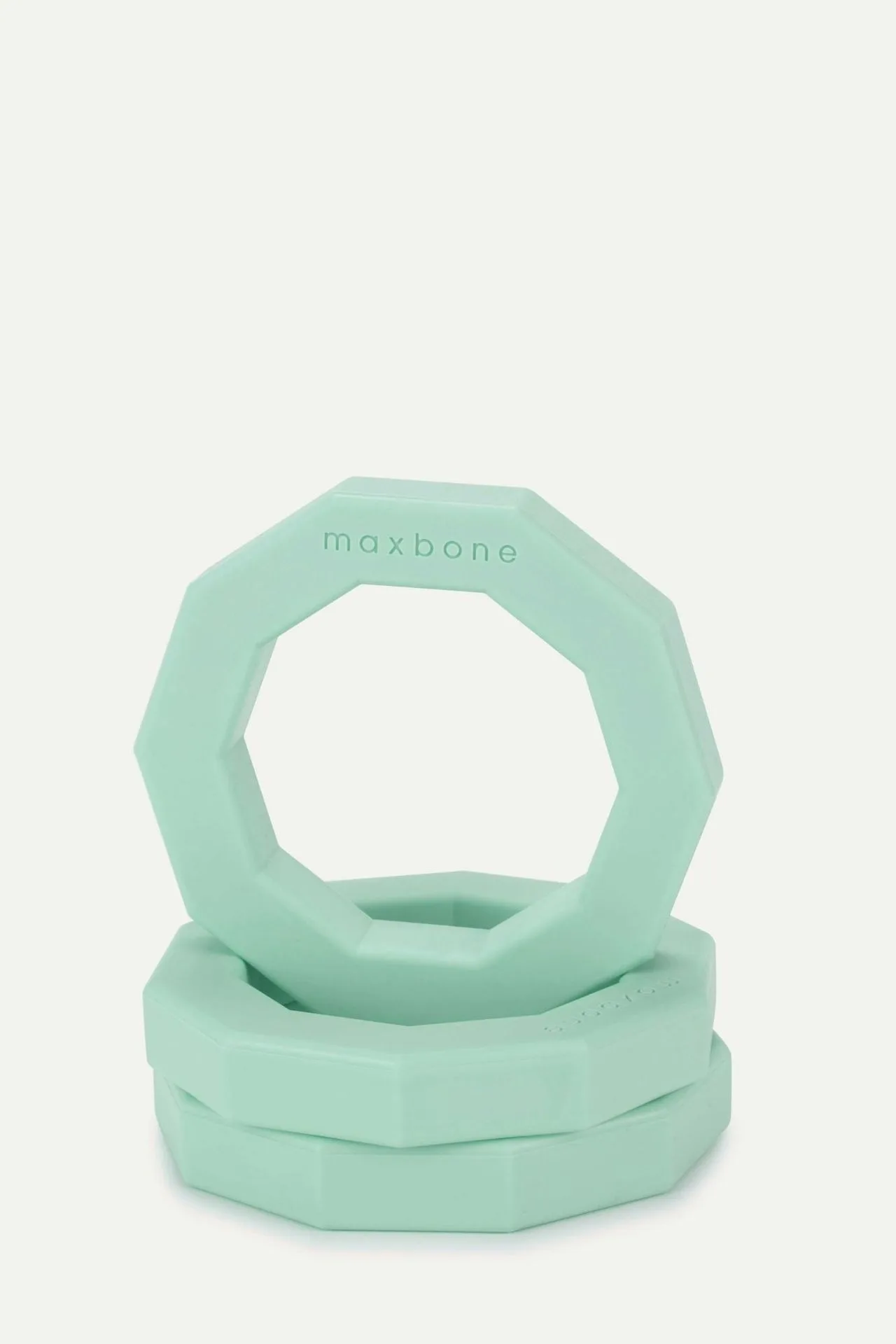
Decagon Rubber Toy
- Use a treat-dispensing toy on the bed to build positive associations with the new space.
Troubleshooting Common Transition Problems
If your dog refuses to use the new bed, check for physical discomfort. The bed might be too firm, too soft, or the wrong size. Try adding a familiar blanket on top to soften the surface. If your dog is avoiding the bed due to anxiety, create a calm environment with soft lighting and background noise like white noise or classical music.
For dogs who prefer sleeping on furniture or your bed, the new bed may feel like a downgrade. In this case, place the bed on the sofa or next to your bed to bridge the gap. Gradually move it to its intended location over several days. Consistency is crucial—never punish your dog for not using the bed, as this can create negative associations.
- If your dog has accidents on the new bed, wash it thoroughly with an enzymatic cleaner to remove odors.
- Consider using a waterproof mattress protector under the cover to extend the bed’s life.
Transitioning your dog to a new bed doesn’t have to be stressful. By understanding their instincts, using scent and positive reinforcement, and choosing a bed that fits their sleeping style, you can help your pup feel at home in no time. For a versatile option that works both at home and on the go, check out the City Carrier Bag—it’s perfect for storing your dog’s bed and travel essentials in one stylish package.