Quick answer
Build the transition around three layers you already own: a light base layer, a breathable mid layer, and a wind- or weather-resistant outer layer. Add one warm accessory and one pair of full-length pants, then test the whole kit on a cool morning before you commit to buying anything new.
Fall rarely arrives all at once. It shows up as a cold morning, a windy afternoon, and a warm hour in between. That is why the summer-to-fall wardrobe transition works best as a small system of layers rather than a single new jacket.
This guide walks through seven steps you can do in an afternoon. The goal is a kit that covers a 10-degree swing without carrying three outfits, and that uses what you already own before you add anything new.
Step 1: Audit what you already wear in cool weather
Pull out everything you reached for last fall and lay it on the bed. Sort into three piles: worn often, worn once or twice, and never worn. Be honest about the never-worn pile. If a piece did not get used in a full season, it probably will not get used this year either, and it is taking up space you need for layers that actually work.
Check the condition of the keepers while they are out. Look for stretched cuffs, pilled knitwear, and worn-out zips. A small repair now is cheaper than replacing a layer mid-season, and it tells you exactly what gaps you need to fill.
- Common mistake: buying a new jacket before checking whether your existing mid layer still fits under it.
- Checkpoint: if you can count your core fall layers on one hand, you are ready to move on.
Step 2: Keep two summer pieces in the rotation
Not everything gets packed away. Lightweight T-shirts and shorts still earn their place in early fall, especially under a shell or on warmer afternoons. The trick is to treat them as base layers rather than standalone outfits. A breathable tee under a wind-resistant jacket handles a cool morning better than a heavy sweater that you have to carry by noon.
Choose pieces that layer flat and do not bunch. A tee with a smooth, close fit is easier to combine than a loose one, and it dries faster if you work up a sweat on the way to work.
- Common mistake: packing away every warm-weather item on the first cold day, then wishing you had a light tee for an unseasonably warm afternoon.
Step 3: Add one breathable mid layer
The mid layer is the workhorse of fall. It should add warmth without trapping moisture, because fall weather swings between cool and mild. Merino wool and technical knits both work well here; the choice depends on whether you run warm or cold. Merino tends to regulate temperature and resist odor over multiple wears, while synthetics usually dry faster after hard activity.
Fit matters as much as fabric. A mid layer that is too tight restricts movement and compresses the insulation; one that is too loose lets cold air circulate. Aim for enough room to wear a base layer underneath without feeling bulky.
- Common mistake: choosing a mid layer that only works at one temperature. Test it over a range of conditions, not just in the store.
- Checkpoint: you should be able to move your arms overhead without the hem riding up.
Step 4: Choose a wind- or weather-resistant outer layer
For most fall days you do not need full waterproofing. You need something that cuts wind and handles a light shower, then packs away when the sun comes out. Look for a shell or chore-style jacket with a bit of structure, because it will sit over a mid layer without clinging. Breathability matters more than you might expect: a jacket that blocks wind but traps sweat will leave you clammy as soon as you start moving.
If you already own a waterproof shell, use it. There is no need to buy a second jacket just for fall. The goal is one outer layer that covers the majority of your days, not a different jacket for every forecast.
- Common mistake: sizing an outer layer to fit over a heavy sweater. If you only wear it over a light mid layer, a closer fit is warmer and less bulky.
Step 5: Swap one accessory and one pair of pants
Small changes do most of the work. A cap or beanie keeps heat in without adding a full layer, and a pair of full-length pants replaces shorts on cooler days. For fall, look for pants that handle wind and light moisture but still breathe, because you will wear them indoors and out. A relaxed, workwear-inspired cut often works better than a slim technical pant because it layers over a base layer without looking out of place off the trail.
If you run cold, add a light pair of gloves or a neck gaiter. These are the cheapest way to extend the temperature range of everything else you own.
- Common mistake: buying a whole new accessory set at once. Add one item, wear it for a week, then decide what is still missing.
Step 6: Test the full kit before the season turns
Put on your complete fall outfit and go outside for twenty minutes on a cool morning. Walk, cycle, or carry a bag. This test reveals problems you cannot see indoors: a jacket that flaps in the wind, a mid layer that rides up, or pants that restrict your stride. Fixing these now is easier than discovering them on a commute in the rain.
If something fails the test, change one variable at a time. Swap the base layer, then the mid layer, then the outer. Changing everything at once makes it impossible to know what actually worked.
- Common mistake: testing only while standing still. Movement changes how layers sit and breathe.
- Checkpoint: after twenty minutes you should feel comfortably cool, not overheated and not shivering.
Step 7: Store summer items so they survive the winter
Wash everything before it goes into storage. Oils and sweat attract pests and set stains over months in a drawer. Fold knits rather than hanging them, because hangers stretch shoulders, and keep everything dry and out of direct sunlight. A breathable cotton bag works better than a sealed plastic bin for natural fibers.
Leave one warm-weather outfit accessible. Fall often delivers a final warm week, and you will be glad you did not bury everything at the back of the closet.
- Common mistake: storing items damp. Even a slightly damp knit can develop mildew over a long winter.
Your fall transition checklist
- Audit and repair: Sort last fall's clothing into worn often, worn once, and never worn. Repair stretched cuffs, pilled knitwear, and worn zips before buying anything new. Checkpoint: your keep pile fits in one drawer or one short rail.
- Keep two summer pieces: Choose a lightweight tee and one pair of shorts to stay in rotation as base layers and warm-afternoon options. Checkpoint: both pieces layer flat under a mid layer without bunching.
- Add one mid layer: Pick a breathable merino or technical knit that adds warmth without trapping moisture. Test the fit with a base layer underneath. Checkpoint: you can raise your arms overhead without the hem riding up.
- Choose one outer layer: Use a wind- or weather-resistant jacket that packs small and breathes. If you already own a waterproof shell, use it instead of buying a second jacket. Checkpoint: the jacket fits over your mid layer without feeling tight across the shoulders.
- Swap one accessory and one pair of pants: Add a cap or beanie and a pair of full-length pants that handle wind and light moisture while still breathing indoors. Checkpoint: the pants let you take a full stride and sit comfortably.
- Test the full kit outside: Wear the complete outfit for twenty minutes on a cool morning while walking or carrying a bag. Change one variable at a time if something fails. Checkpoint: you feel comfortably cool, not overheated and not shivering.
- Store summer items properly: Wash everything before storage, fold knits instead of hanging them, and keep items dry and out of direct sunlight in a breathable bag. Leave one warm-weather outfit accessible for the final warm week of fall.
Products that fit the transition
- W's Tree Chore Jacket: Made for everyday adventures when you need sun or wind protection, with a ripstop construction that balances breathability and durability, two large hand pockets, and a hidden security pocket. A breathable, wind-resistant outer layer is the piece that makes a summer tee and a light mid layer work on a cool fall morning.
- M's Dock Shorts: Workwear-inspired shorts made from immix Weave, designed as a sturdy everyday garment for active people. In early fall, shorts still work on warm afternoons; a durable pair that handles wind and wear extends their season without adding bulk.
- M's Alto Pants: Made from Woolly Treemerino, a Swedish-made blend of 60% merino wool and 40% Tencel, with a relaxed jogger look but a more technical, functional fabric than standard sweatpants. Full-length pants that breathe and regulate temperature cover the cool-morning, warm-afternoon swing better than either shorts or heavy insulated pants.
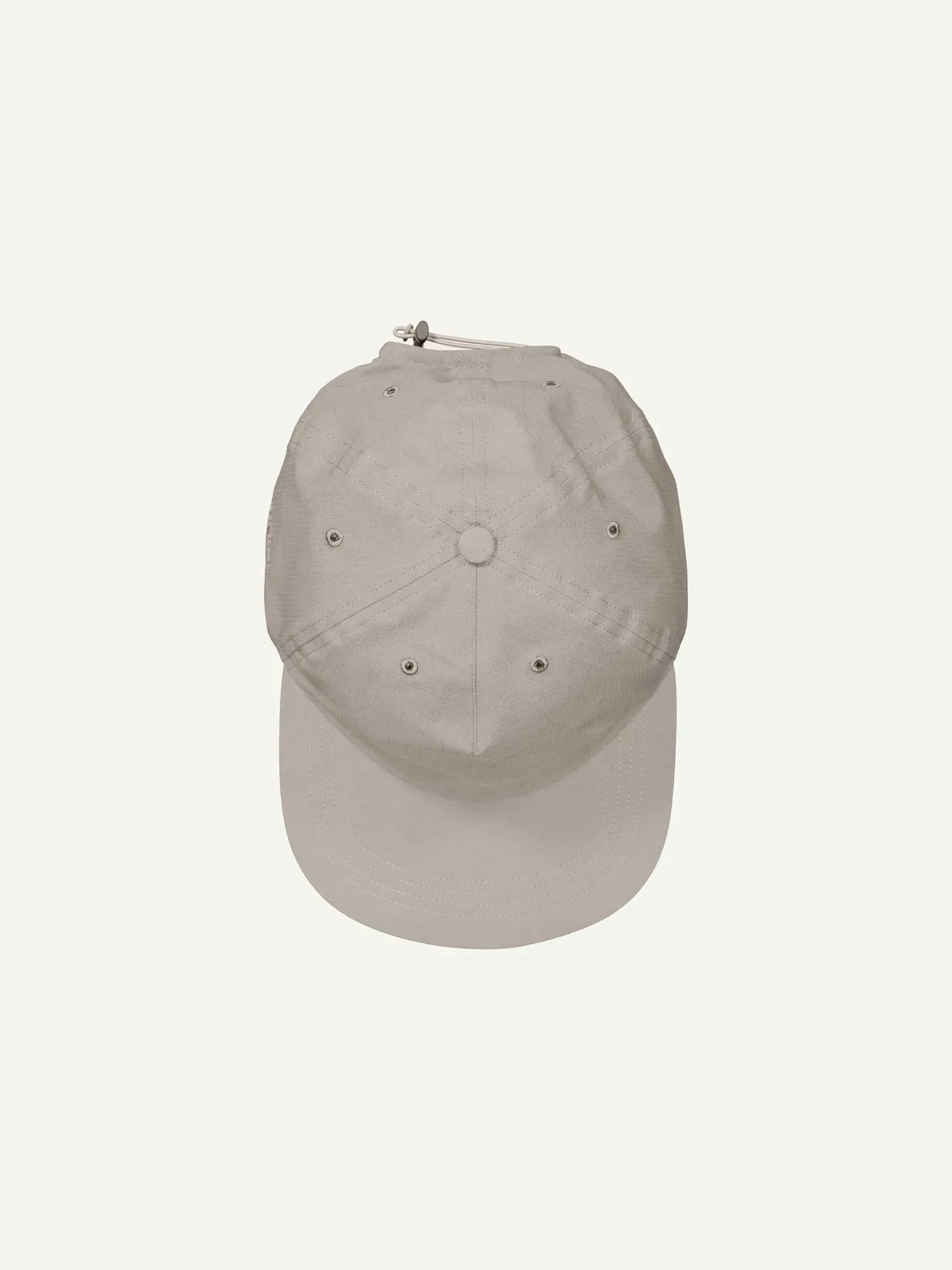
- Daybreak Cap: Made from stretchy, durable polyester ripstop with a PFAS-free water-repellent treatment, 50% recycled fibers, and full recyclability. A light cap adds warmth and light rain protection without the bulk of a beanie, making it an easy first accessory to add in early fall.
A good summer-to-fall transition is less about buying new clothes and more about making the layers you own work together. Start with the audit, add one mid layer and one outer layer, then test the kit outside before the weather makes the decision for you.