Acne scars and dark spots can linger long after a breakout has healed, affecting your confidence and skin clarity. While professional treatments like lasers and chemical peels are effective, they can be expensive and require downtime. Fortunately, many over-the-counter (OTC) acne scar products can help fade hyperpigmentation, smooth texture, and promote collagen production from the comfort of your home.
In this complete home care guide, we’ll walk you through how to treat acne scars at home using targeted ingredients and a consistent routine. From brightening serums to exfoliating masks, you’ll discover the best OTC acne scar treatment options that fit your skincare regimen and budget.
Understanding Acne Scars: Types and Causes
Acne scars fall into two main categories: atrophic (depressed) scars and hypertrophic (raised) scars. Atrophic scars, such as icepick, boxcar, and rolling scars, occur when the skin loses collagen during the healing process. Hypertrophic scars result from excess collagen production. Post-inflammatory hyperpigmentation (PIH) is not a true scar but a dark mark left after inflammation, and it responds well to OTC treatments.
Knowing your scar type helps you choose the right products. For PIH and mild texture irregularities, ingredients like vitamin C, retinol, and alpha hydroxy acids (AHAs) can make a significant difference. Consistent use of targeted OTC acne scar products can gradually reduce discoloration and stimulate collagen remodeling.
- Icepick scars: deep, narrow pits – best treated with professional procedures, but OTC retinol can help over time.
- Boxcar scars: broad, shallow depressions – AHAs and retinoids improve skin turnover.
- Dark spots (PIH): flat brown or red marks – vitamin C and niacinamide are highly effective.
Key Ingredients in OTC Acne Scar Products
The most effective OTC acne scar treatment ingredients include retinoids, vitamin C, AHAs, and peptides. Retinoids like retinol accelerate cell turnover and boost collagen production, helping to fade dark spots and smooth shallow scars. Vitamin C is a powerful antioxidant that brightens hyperpigmentation and protects against further damage. AHAs like glycolic and lactic acid exfoliate the skin surface, improving texture and tone.
Peptides and growth factors support collagen synthesis, which can help fill in depressed scars over time. For a comprehensive approach, look for products that combine multiple active ingredients. The Liposomal Retinol Moisturizer is an excellent choice for delivering retinol effectively while minimizing irritation, making it suitable for daily use in an acne scar routine.
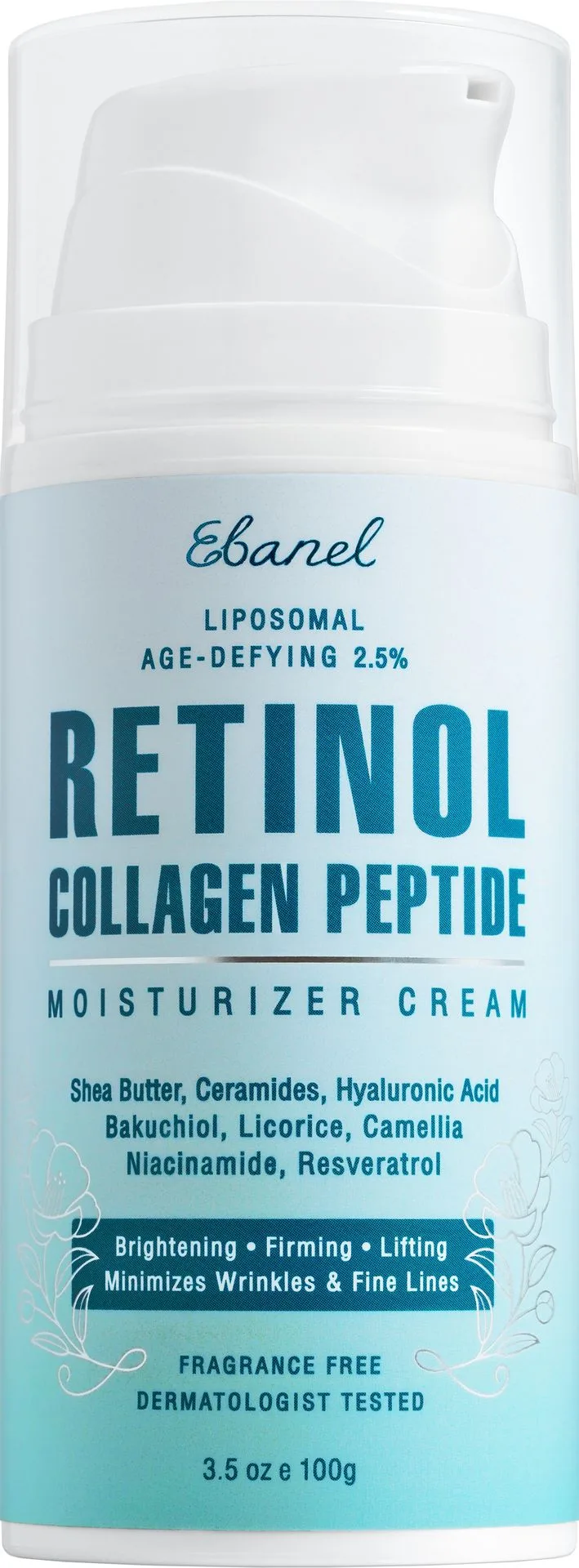
Liposomal Retinol Moisturizer
- Retinoids: promote cell turnover and collagen production.
- Vitamin C: fades dark spots and evens skin tone.
- AHAs: exfoliate dead skin cells to improve texture.
- Peptides: support skin repair and firmness.
Building a Daily Acne Scar Routine
A consistent routine is key to seeing results when you treat acne scars at home. Start with a gentle cleanser to remove impurities without stripping the skin. Follow with a vitamin C serum in the morning to brighten and protect against environmental stressors. In the evening, apply a retinol product like the Liposomal Retinol Moisturizer to stimulate overnight renewal. Always finish with a moisturizer and sunscreen during the day, as active ingredients increase sun sensitivity.
Exfoliate 2–3 times per week with an AHA or BHA product to enhance cell turnover. For deeper hydration and targeted treatment, incorporate a collagen-boosting mask once or twice a week. The Collagen + Peptide Infusion Mask (8-Pack) delivers concentrated peptides and collagen to support skin repair and plumpness, making it a valuable addition to your acne scar arsenal.
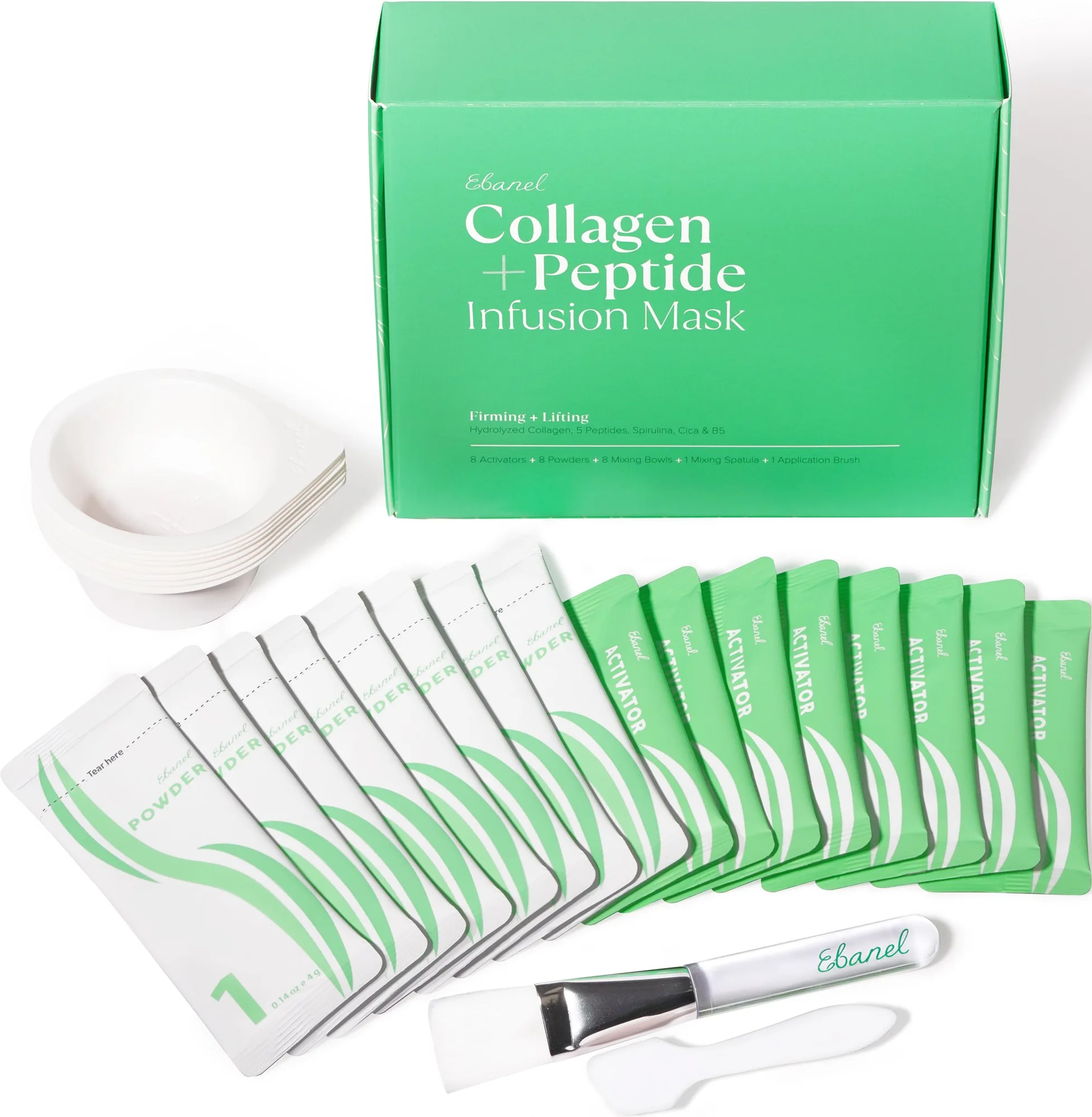
Collagen + Peptide Infusion Mask (8-Pack)
- Morning: gentle cleanser, vitamin C serum, moisturizer, SPF 30+.
- Evening: cleanser, retinol product, rich moisturizer.
- Weekly: exfoliate with AHA and use a collagen mask.
Additional Tips for Fading Dark Spots and Preventing New Scars
Sun protection is non-negotiable when treating acne scars. UV exposure darkens hyperpigmentation and slows healing. Use a broad-spectrum SPF 30 or higher every day, even indoors. Avoid picking or squeezing pimples, as this increases inflammation and scarring risk. Keep your skin hydrated and support its barrier with ceramides and niacinamide.
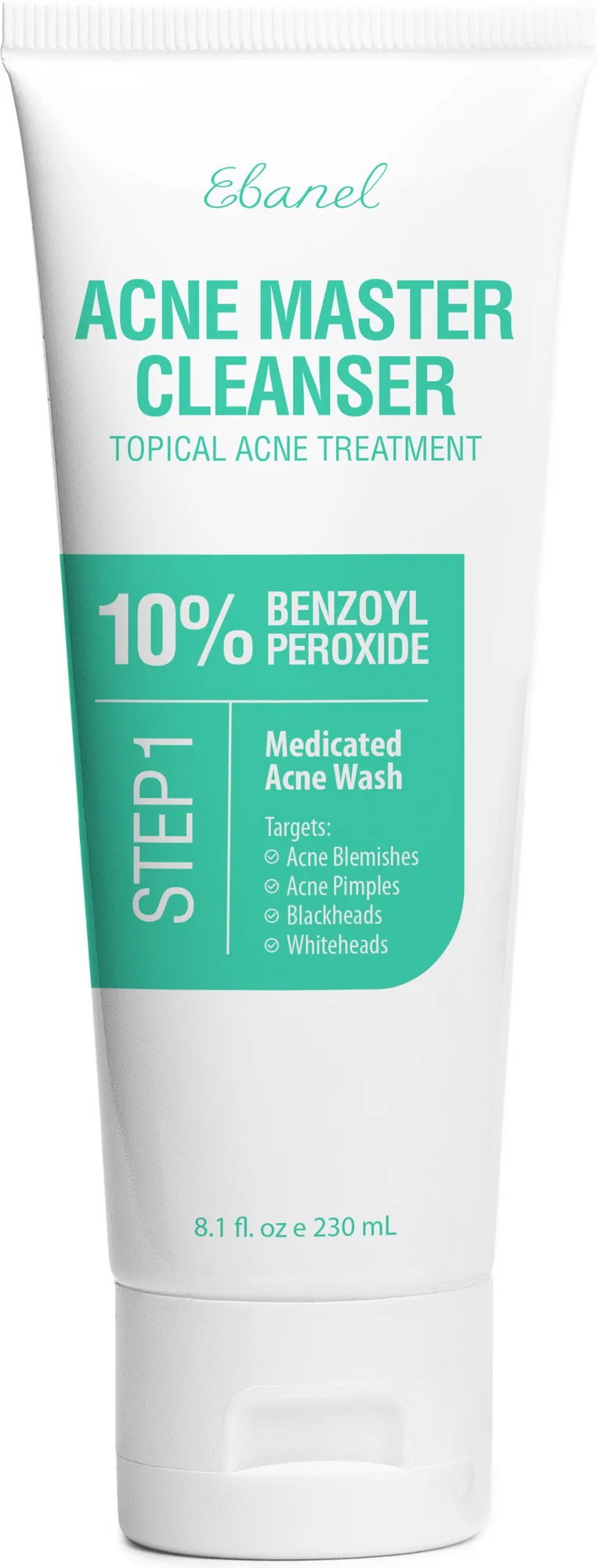
Patience is essential—most OTC acne scar products take 8–12 weeks to show visible improvement. If you have active acne, treat it first with products like the Acne Master Cleanser to prevent new breakouts and subsequent scars. Combining prevention with targeted treatment gives you the best chance for clear, smooth skin.
- Wear sunscreen daily to prevent dark spots from worsening.
- Never pick at pimples—use spot treatments instead.
- Hydrate your skin to support its natural repair process.
- Be consistent; results take time but are achievable.
With the right OTC acne scar products and a dedicated routine, you can effectively treat acne scars at home without expensive procedures. Focus on ingredients like retinol, vitamin C, and collagen-boosting masks to fade dark spots and improve skin texture. Start your journey to clearer skin today by exploring the Liposomal Retinol Moisturizer and Collagen + Peptide Infusion Mask (8-Pack) from Ebanel Skincare—your trusted partner in achieving radiant, healthy skin.