Indoor plants bring life, color, and a sense of calm to any space, but they can also fall victim to common diseases like powdery mildew, root rot, and leaf spot. While chemical fungicides are effective, they often contain harsh ingredients that can harm beneficial soil microbes, pets, or even your family. That's why more plant parents are turning to natural fungicides and organic plant care methods to keep their green friends thriving. In this guide, we'll explore how to treat plant diseases using simple, natural ingredients you probably already have in your kitchen, and we'll highlight some essential tools and accessories from WallyGro to support your plant health journey.
Whether you're a seasoned plant collector or a beginner, understanding how to identify and treat plant diseases early is key to preventing widespread damage. Natural fungicides work by creating an inhospitable environment for fungal spores, boosting your plant's immune system, and promoting healthy growth without toxic residues. Let's dive into the most common plant diseases and the best natural remedies to combat them.
Identifying Common Plant Diseases: Know Your Enemy
Before you can treat a plant disease, you need to know what you're dealing with. The most common indoor plant diseases include powdery mildew (a white, powdery coating on leaves), root rot (yellowing leaves and mushy roots caused by overwatering), and leaf spot (brown or black spots with yellow halos). Fungal infections often thrive in humid, poorly ventilated conditions or when soil stays too wet. Early detection is crucial—inspect your plants weekly, especially the undersides of leaves and the soil surface.
Once you've identified the issue, isolate the affected plant to prevent spread. Remove severely infected leaves with clean scissors, and adjust your watering and humidity levels. For example, powdery mildew loves high humidity and stagnant air, so increasing airflow with a small fan can help. Root rot typically requires repotting with fresh, well-draining soil. Knowing the specific disease will guide your choice of natural fungicide.
- Check for white powdery residue on leaves for powdery mildew.
- Look for yellowing leaves and a foul smell from soil for root rot.
- Inspect for dark spots with yellow edges for leaf spot disease.
Top Natural Fungicides for Treating Plant Diseases
One of the most effective natural fungicides is a baking soda solution. Mix 1 teaspoon of baking soda with 1 quart of water and a few drops of mild liquid soap (like castile soap). Spray this on affected leaves every 5-7 days to combat powdery mildew and other fungal issues. Baking soda alters the pH on leaf surfaces, making it harder for fungi to survive. Another powerhouse is neem oil—a cold-pressed oil from the neem tree that works as both a fungicide and insecticide. Dilute 1 teaspoon of neem oil with 1 quart of water and a few drops of soap, and spray weekly.
For root rot, a hydrogen peroxide solution can be a lifesaver. Mix 1 part 3% hydrogen peroxide with 4 parts water and water your plant with it. This oxygenates the soil and kills anaerobic bacteria and fungi. Cinnamon powder is another gentle but effective fungicide—sprinkle it on the soil surface after repotting to prevent damping-off disease. These remedies are safe for most houseplants, but always test on a small leaf first. To make application easier, consider using a quality spray bottle from your plant care toolkit.
- Baking soda spray: 1 tsp baking soda + 1 quart water + a few drops soap.
- Neem oil: 1 tsp neem oil + 1 quart water + soap; spray weekly.
- Hydrogen peroxide: 1 part 3% H2O2 to 4 parts water for soil drench.
Supporting Plant Health with Proper Tools and Planters
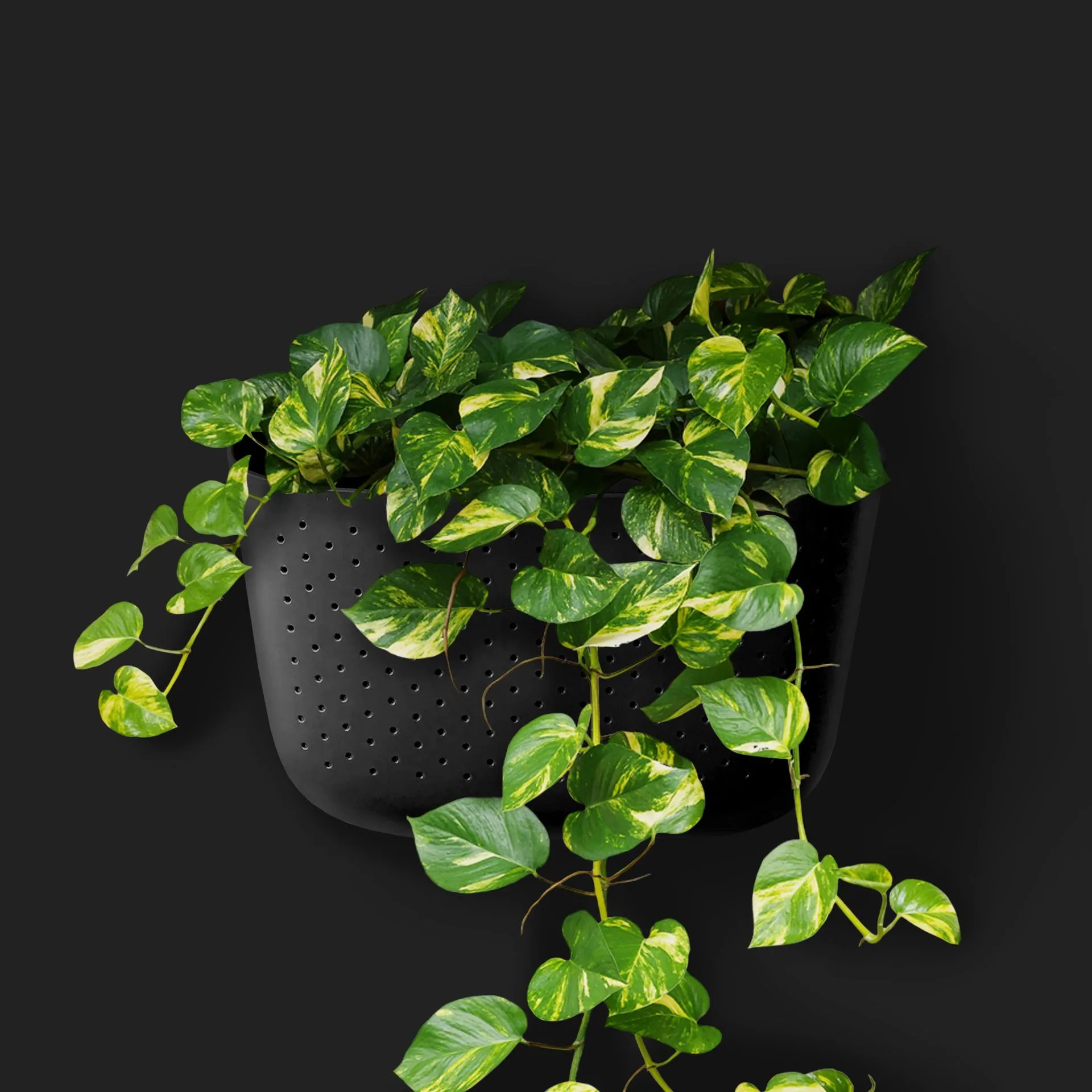
Treating plant diseases is only half the battle—prevention is the ultimate goal. Proper drainage is essential to avoid root rot, so choose planters with drainage holes or self-watering systems. WallyGro offers stylish and functional options like the Pocket 1 Black Wall Planter, which features a built-in drainage system that prevents water from pooling at the roots. Wall planters also improve airflow around the plant, reducing humidity buildup that fosters fungal growth.
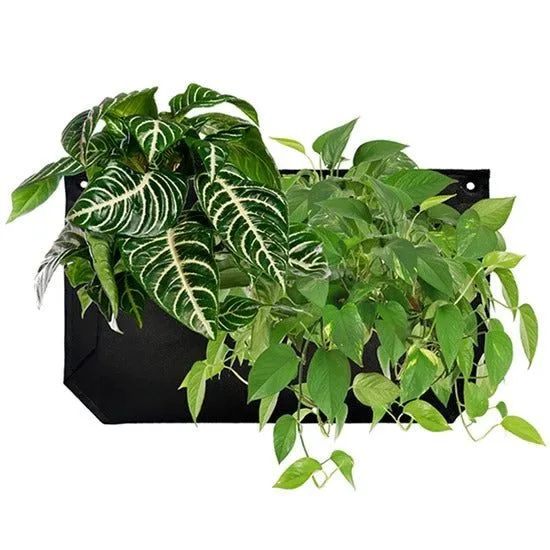
Pocket 1 Black Wall Planter
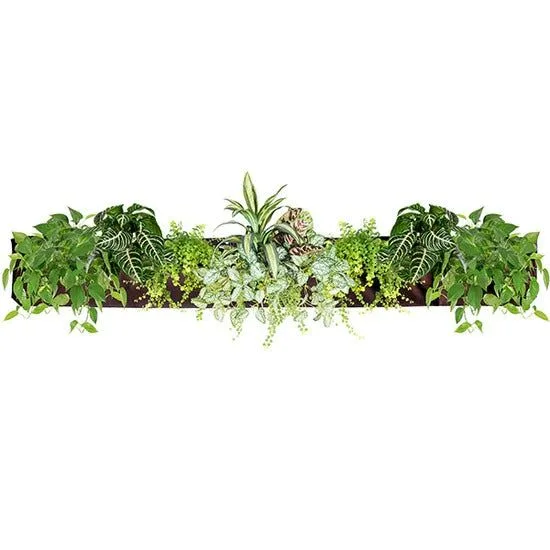
Additionally, using the right accessories can make your organic plant care routine more effective. For example, the Pocket 5 Drip Kit helps manage excess water in wall planters, ensuring your plants stay hydrated without becoming waterlogged. Regularly cleaning your tools and pots with a mild vinegar solution can also prevent disease spread. Remember, a healthy plant is less susceptible to infections, so provide adequate light, proper watering, and balanced nutrition.
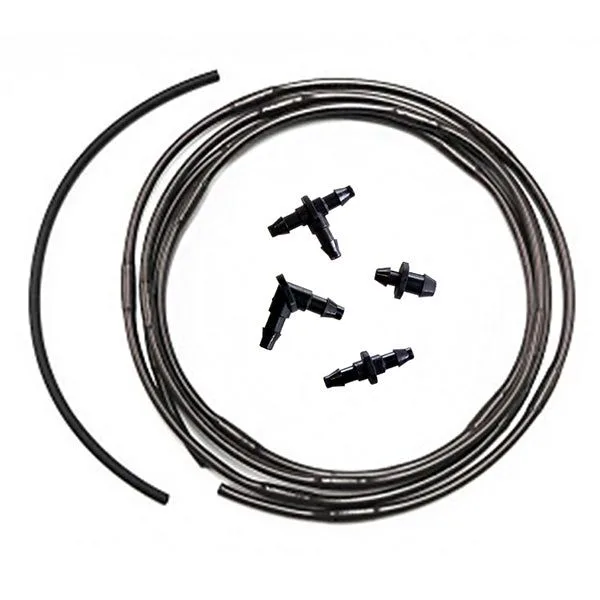
Pocket 5 Drip Kit
- Use planters with drainage holes to prevent root rot.
- Clean tools and pots with a vinegar solution after each use.
- Ensure good airflow around plants to reduce humidity.
DIY Natural Fungicide Recipes for Common Plant Diseases
If you prefer a more targeted approach, here are two easy DIY recipes. For powdery mildew, combine 1 tablespoon of apple cider vinegar with 1 quart of water (vinegar's acidity kills fungi). For leaf spot, try a garlic spray: crush 2 cloves of garlic, steep in 1 quart of water overnight, strain, and add a few drops of soap. Both sprays should be applied in the morning to allow leaves to dry before nightfall. Avoid over-spraying, as too much moisture can worsen fungal issues.
Another versatile remedy is a milk spray—mix 1 part milk with 2 parts water and spray weekly. Milk contains proteins that boost your plant's immune response against fungi. For persistent cases, rotate between different natural fungicides to prevent resistance. Always store leftover sprays in a cool, dark place and use within a week. Pair these treatments with a consistent care routine, and your plants will bounce back stronger.
- Apple cider vinegar spray: 1 tbsp ACV + 1 quart water.
- Garlic spray: 2 crushed garlic cloves steeped in 1 quart water overnight.
- Milk spray: 1 part milk to 2 parts water.
Natural fungicides are a safe, effective, and eco-friendly way to treat common plant diseases and maintain a thriving indoor garden. By combining these remedies with proper care practices and the right planters, you can prevent most issues before they start. Explore WallyGro's collection of planters and accessories to give your plants the healthy home they deserve—start with the Pocket 1 Black Wall Planter for stylish, disease-resistant growing.