Dehydrated skin is a common concern that can affect anyone, regardless of skin type. Unlike dry skin, which lacks oil, dehydrated skin lacks water. This condition can make your complexion look dull, feel tight, and show fine lines more prominently. Understanding the difference is the first step toward restoring your skin's natural glow.
In this guide, we'll explore the telltale signs of dehydrated skin, dig into the underlying causes, and provide practical solutions to replenish moisture. From incorporating hyaluronic acid treatments into your routine to choosing the right moisturizer, you'll learn how to bring your skin back to balance.
What Is Dehydrated Skin and How Is It Different from Dry Skin?
Dehydrated skin is a condition, not a skin type. It means your skin lacks water, which can happen even if you have oily or combination skin. Dry skin, on the other hand, is a skin type characterized by a lack of natural oils. Dehydrated skin often feels tight, looks lackluster, and may show exaggerated fine lines. It can also feel irritated or sensitive, especially after cleansing.
Because dehydrated skin is a temporary state, it can be improved with the right products and habits. The key is to focus on water-binding ingredients that draw moisture into the skin and seal it in. This is where products like the Water Bank Blue Hyaluronic Gel Moisturizer shine, as they deliver both hydration and barrier support.
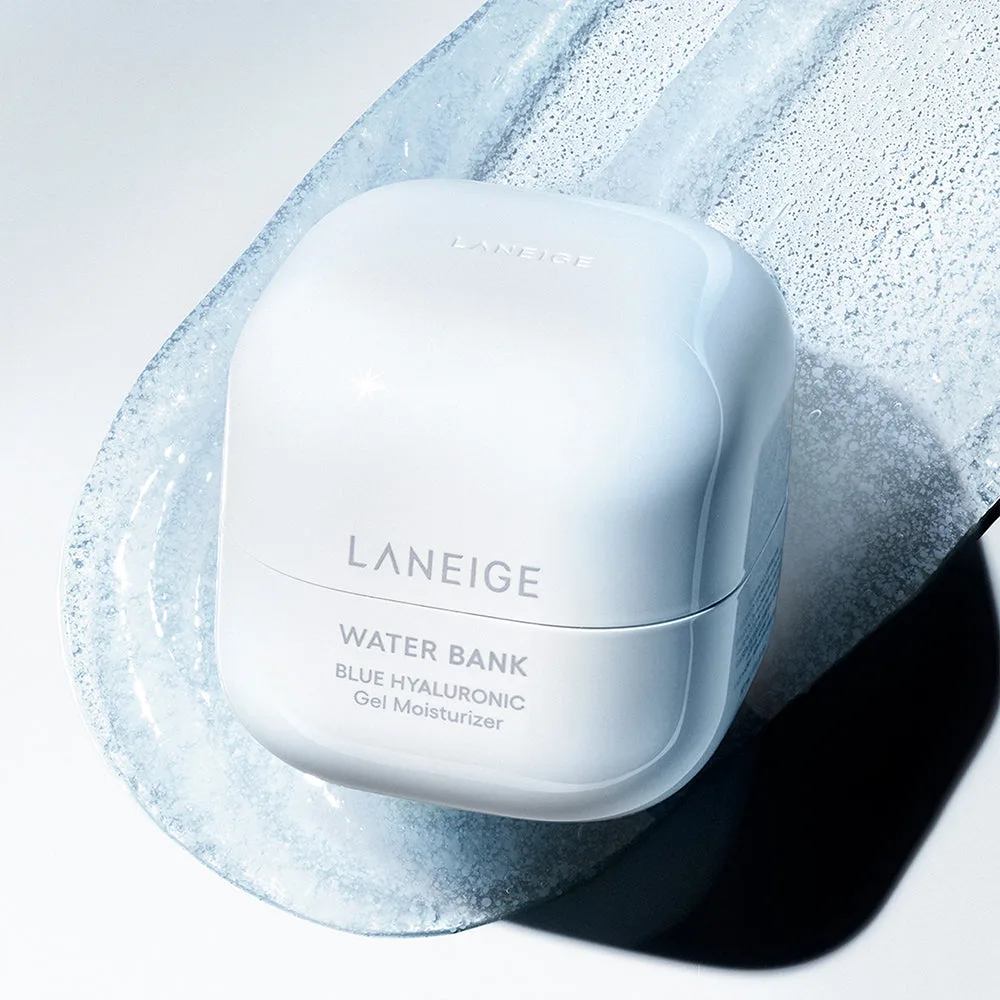
Water Bank Blue Hyaluronic Gel Moisturizer
- Dehydrated skin lacks water; dry skin lacks oil.
- Dehydrated skin can appear oily on the surface but feel tight underneath.
- Signs include dullness, fine lines, and a rough texture.
Common Signs Your Skin Is Dehydrated
How can you tell if your skin is dehydrated? Look for these clues: your skin feels tight after washing, especially if you don't apply moisturizer immediately. You may notice fine lines around your eyes and mouth that seem more pronounced. Your complexion may look dull or ashen, and you might experience increased sensitivity or redness. In some cases, dehydrated skin can even produce excess oil to compensate, leading to breakouts.
A simple pinch test can help: gently pinch a small area of skin on your cheek or the back of your hand. If it takes a moment to bounce back, your skin is likely dehydrated. Paying attention to these signs early allows you to adjust your routine before the condition worsens.
- Tightness after cleansing is a classic sign.
- Fine lines that disappear after moisturizing indicate dehydration.
- Your skin may feel rough or look flaky despite being oily.
What Causes Dehydrated Skin?
Dehydrated skin can be triggered by a variety of factors, both internal and external. Environmental aggressors like cold weather, low humidity, and air conditioning can strip moisture from the skin. Over-cleansing with harsh foaming cleansers or using too many exfoliating acids can damage the skin barrier, allowing water to escape. Diet also plays a role: not drinking enough water, consuming too much caffeine or alcohol, and eating a diet low in healthy fats can all contribute to dehydration.
Your skincare routine itself might be the culprit. Skipping moisturizer, using products with alcohol, or not layering hydrating ingredients properly can leave skin parched. That's why a gentle, hydrating cleanser like the Balance Mode Rice Foaming Deep Cleanser can be a game-changer—it cleanses without stripping, preparing skin to absorb moisture effectively.
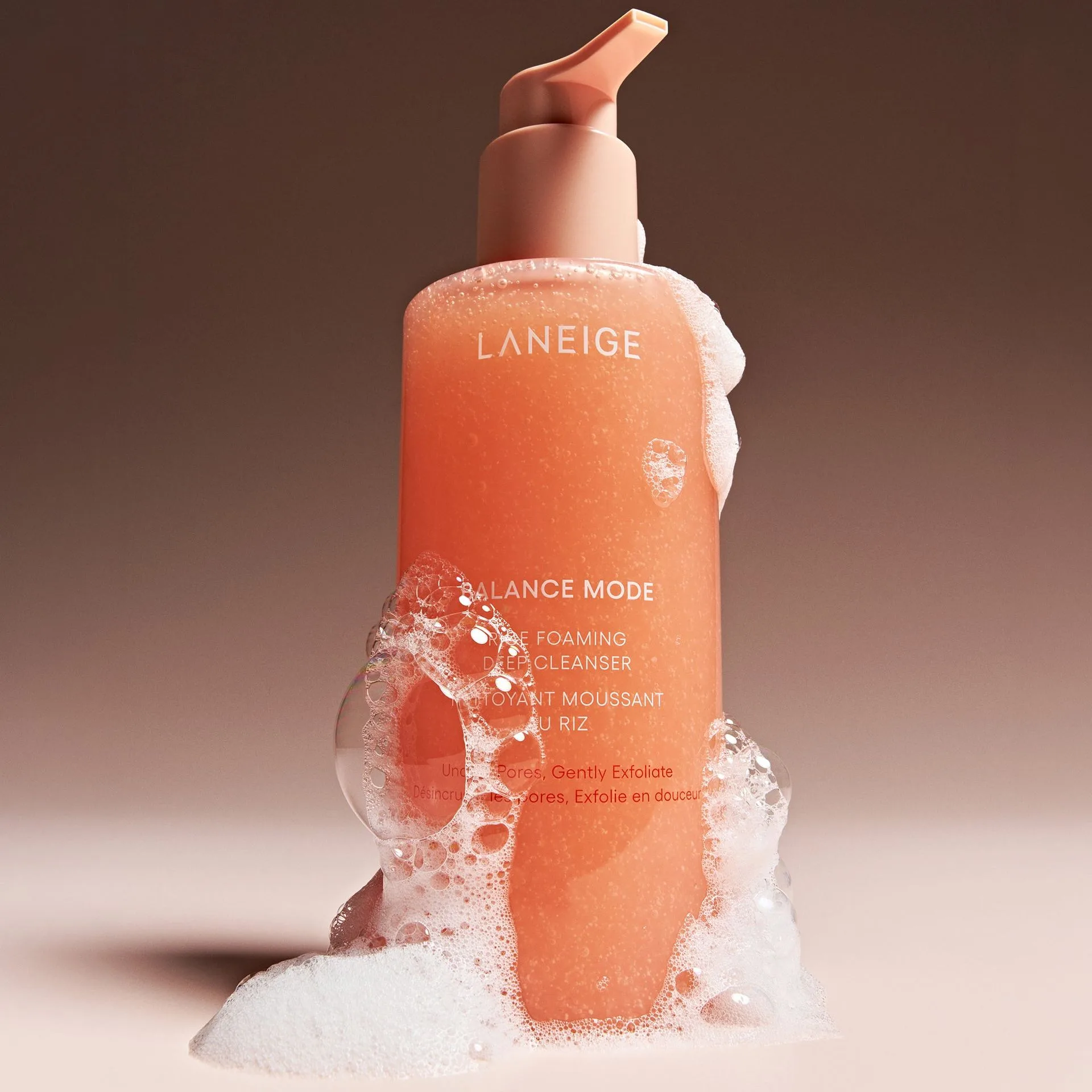
Balance Mode Rice Foaming Deep Cleanser
- Harsh cleansers and over-exfoliation damage the moisture barrier.
- Environmental factors like dry air and sun exposure increase water loss.
- Lifestyle habits such as low water intake and high salt consumption worsen dehydration.
Key Ingredients to Look For in Hydrating Skincare
When treating dehydrated skin, the most effective ingredients are humectants, which attract water to the skin. Hyaluronic acid is the gold standard—it can hold up to 1,000 times its weight in water, making it ideal for plumping and hydrating. Glycerin, aloe vera, and panthenol are also excellent humectants. Emollients like squalane and ceramides help seal moisture in, while occlusives like shea butter create a protective layer.
Look for products that combine multiple hydrating ingredients for a layered effect. The Water Bank Blue Hyaluronic Gel Moisturizer, for example, pairs hyaluronic acid with a gel-cream texture that delivers lightweight yet lasting hydration. For an extra boost, a hydrating mist like the Cream Skin Mist Pump can be spritzed throughout the day to refresh and replenish moisture.
- Hyaluronic acid is a powerful humectant for deep hydration.
- Ceramides and squalane help repair and strengthen the skin barrier.
- Layering hydrating products (toner, serum, moisturizer) maximizes results.
Building a Hydrating Skincare Routine for Dehydrated Skin
A targeted routine can transform dehydrated skin in just a few weeks. Start with a gentle, sulfate-free cleanser that won't strip your skin. Follow with a hydrating toner or mist to prep your skin. Next, apply a hyaluronic acid serum while your skin is still damp to lock in moisture. Finish with a moisturizer that contains both humectants and emollients to seal everything in.
For daytime, a lightweight gel moisturizer works well under makeup. At night, you can layer a richer cream or add a facial oil for extra nourishment. Don't forget to exfoliate gently once or twice a week to remove dead skin cells that can block absorption. Consistency is key—stick with your routine for at least two weeks to see visible improvement.
- Cleanse with a non-stripping formula like the Balance Mode Rice Foaming Deep Cleanser.
- Apply hydrating products on damp skin for better absorption.
- Use a humidifier at night to add moisture to the air.
Lifestyle Tips to Support Skin Hydration from Within
Skincare products work best when paired with healthy habits. Aim to drink at least eight glasses of water daily, and eat water-rich foods like cucumbers, watermelon, and leafy greens. Limit caffeine and alcohol, as they can have a diuretic effect. Getting enough sleep is also crucial—your skin repairs and regenerates overnight, so aim for 7-9 hours.
During colder months or in dry climates, consider using a humidifier to maintain optimal humidity levels in your home. Also, protect your skin from harsh winds and sun exposure with a scarf and daily sunscreen. These small changes can significantly reduce water loss and keep your skin looking plump and healthy.
- Hydrate from the inside with water and water-rich foods.
- Reduce diuretics like caffeine and alcohol.
- Use a humidifier in dry environments to prevent moisture loss.
Dehydrated skin doesn't have to be a permanent struggle. By recognizing the signs, adjusting your routine, and choosing the right hydrating products, you can restore your skin's moisture balance and achieve a radiant, healthy complexion. Start your journey today by exploring the Water Bank Blue Hyaluronic Gel Moisturizer—a lightweight yet powerful solution that delivers deep hydration without heaviness.