Spider bites are common, especially during warmer months when outdoor activities increase. While most spider bites are harmless and cause only mild irritation, some can lead to more serious reactions. Knowing how to treat spider bites naturally can help reduce discomfort and speed up healing without resorting to harsh chemicals or medications.
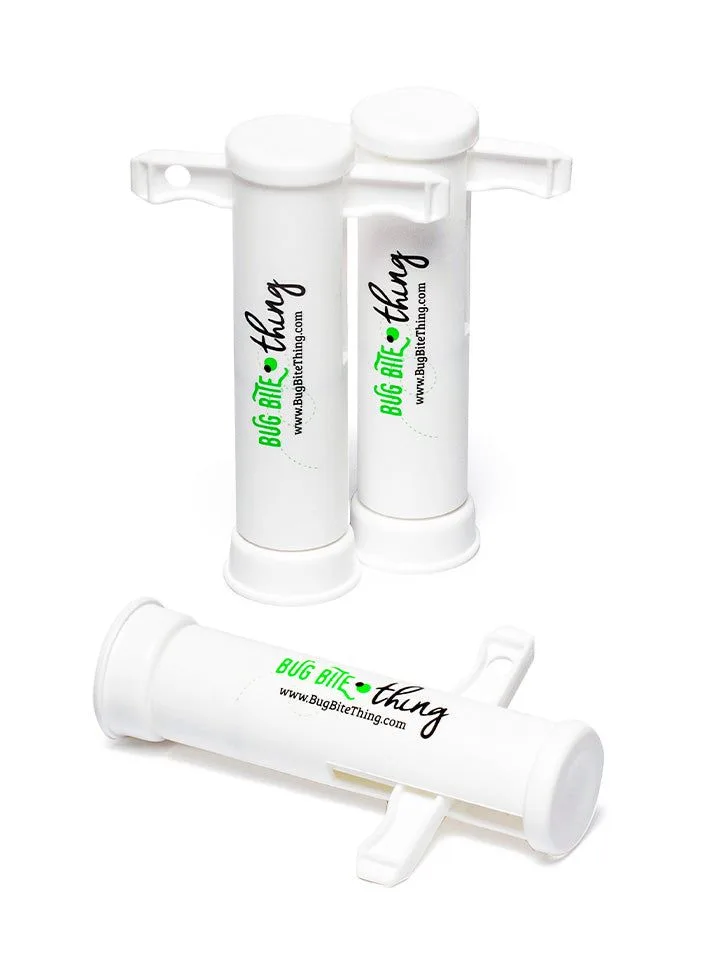
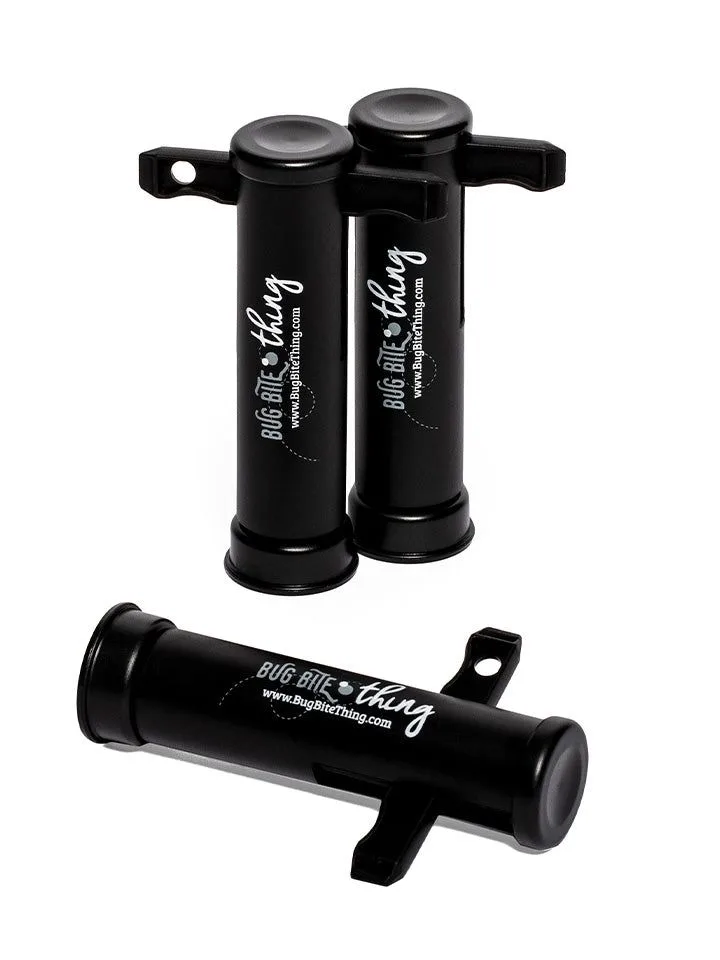
One effective natural method gaining popularity is using a suction tool to remove venom and irritants from the bite site. The Bug Bite Thing Suction Tool is specifically designed for this purpose. However, it's crucial to understand when this approach is safe and when you should seek medical attention. In this guide, we'll walk you through natural spider bite treatment options, how to use a suction tool effectively, and the warning signs that require a doctor's visit.
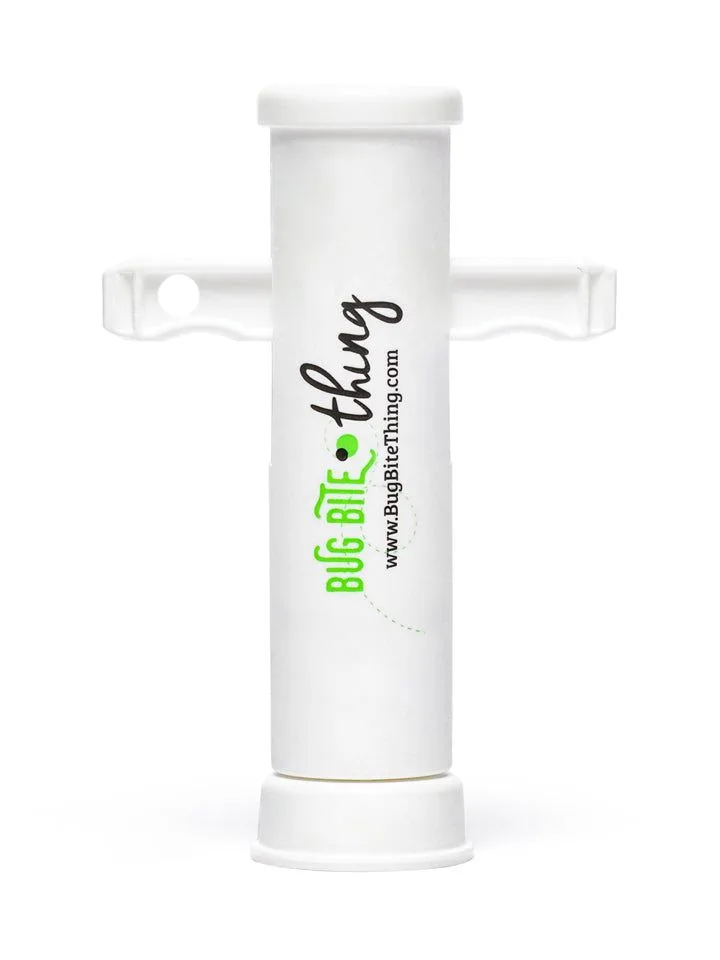
Bug Bite Thing Suction Tool
Identifying a Spider Bite: Common Symptoms and What to Look For
Spider bites often appear as small, red, itchy bumps similar to mosquito bites. However, they can sometimes have two small puncture marks at the center. Most spider bites cause mild symptoms like redness, swelling, and pain that resolve within a few days. In some cases, the bite may develop into a blister or a hard, raised area.
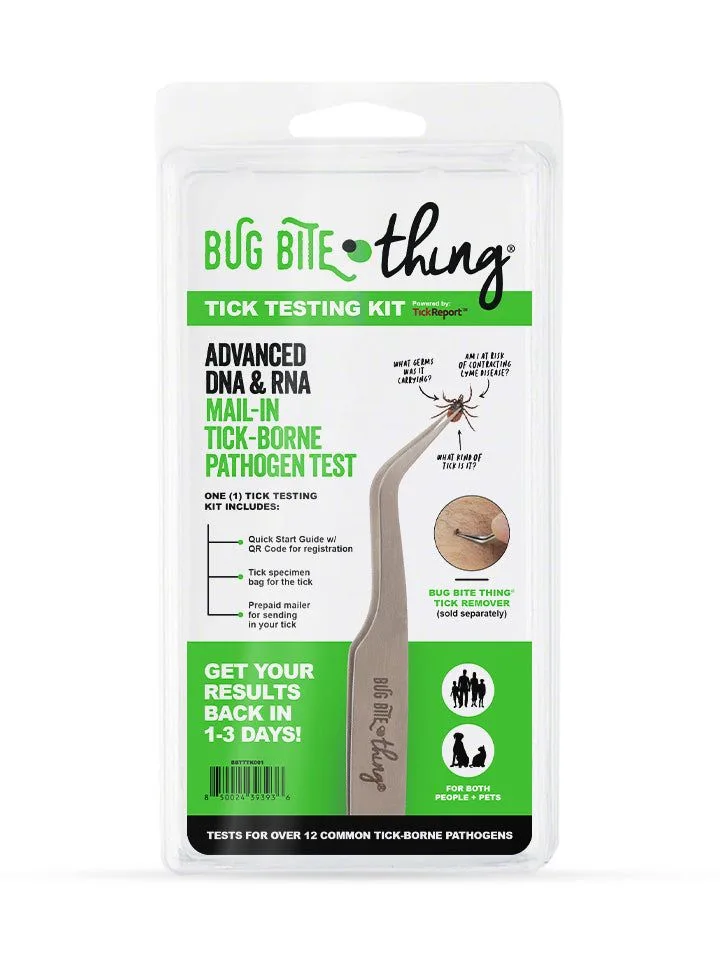
It's important to note that many suspected spider bites are actually caused by other insects or skin conditions. According to medical experts, only a small percentage of spider bites are from venomous species like black widows or brown recluses. If you're unsure, consider using a tick testing kit to rule out tick-borne illnesses, but for spider bites, observation is key.
- Look for two small puncture marks at the bite center
- Monitor for redness, swelling, and itching
- Note any systemic symptoms like fever or muscle pain
Natural Spider Bite Treatment: Step-by-Step with a Suction Tool
Using a suction tool for spider bites can help remove venom and saliva from the skin, reducing inflammation and itching. The Bug Bite Thing Suction Tool works by creating a vacuum that draws out irritants, providing fast relief without chemicals. This method is safe for most non-venomous spider bites and can be used on adults and children alike.
To treat a spider bite naturally, start by cleaning the area with soap and water. Then, place the suction tool over the bite and pull the plunger to create suction. Hold for 10-15 seconds, then release. Repeat 2-3 times. You can apply a cold compress afterward to reduce swelling. For best results, use the tool as soon as possible after the bite occurs.
- Clean the bite area thoroughly before using the suction tool
- Apply suction for 10-15 seconds per session, repeating 2-3 times
- Follow up with a cold compress or natural anti-inflammatory like aloe vera
When to Use a Suction Tool: Safe Scenarios for Natural Relief
A suction tool is ideal for treating common spider bites from non-venomous species like house spiders, garden spiders, or wolf spiders. These bites typically cause localized pain, redness, and itching but do not pose serious health risks. Using the Bug Bite Thing Suction Tool can significantly reduce the duration and intensity of symptoms.
If you're traveling or spending time outdoors, having a portable suction tool on hand is a smart choice. The Bug Bite Thing Combo Pack includes both the suction tool and a tick testing kit, making it a versatile addition to your first-aid kit. For mild spider bites, this natural approach is often more effective than topical creams or antihistamines.
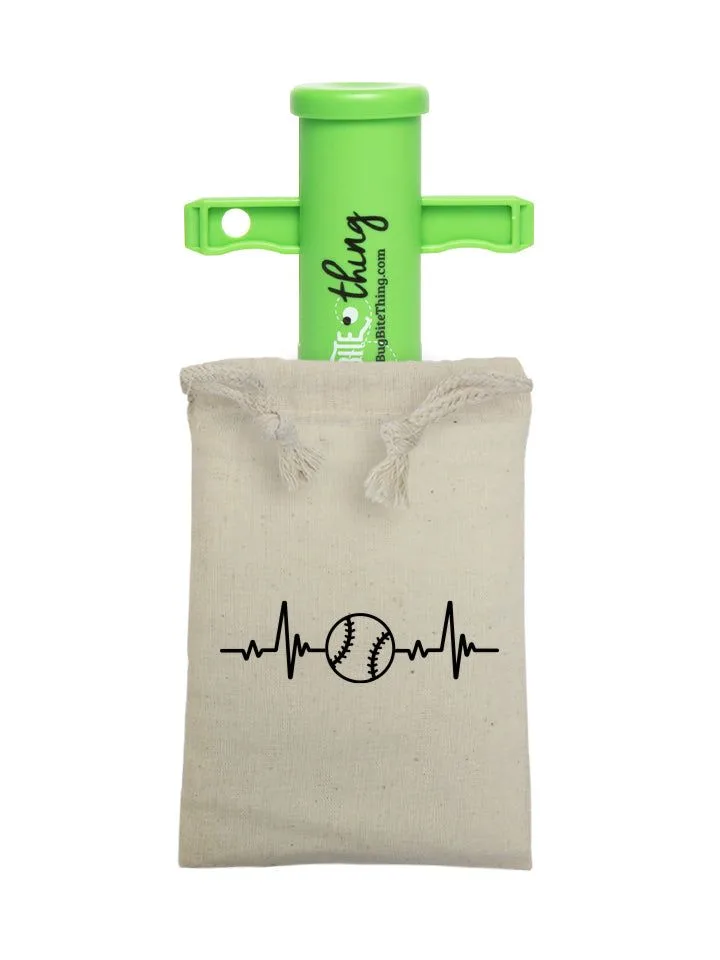
Bug Bite Thing Combo Pack
- Use for bites from non-venomous spiders only
- Ideal for outdoor activities like hiking, camping, or gardening
- Works best when applied within minutes of the bite
When to See a Doctor: Warning Signs of a Venomous Spider Bite
While most spider bites are harmless, some require immediate medical attention. Venomous spider bites from black widows or brown recluses can cause severe symptoms. Black widow bites may lead to muscle cramps, abdominal pain, and difficulty breathing. Brown recluse bites can cause tissue necrosis, fever, and chills.
If you experience any of the following symptoms, seek medical help right away: intense pain spreading from the bite site, blistering or ulceration, fever, chills, nausea, or muscle spasms. Do not attempt to treat venomous bites with a suction tool alone. While the tool can remove surface venom, it cannot counteract systemic effects. Always consult a healthcare professional for suspected venomous bites.
- Seek emergency care for black widow or brown recluse bites
- Watch for spreading redness, fever, or muscle cramps
- Do not rely solely on a suction tool for venomous bites
Preventing Spider Bites: Tips for a Safer Environment
Prevention is the best strategy for avoiding spider bites. Keep your home clean and clutter-free, especially in basements, attics, and garages where spiders often hide. Seal cracks and crevices in walls and windows, and use insect repellent when spending time outdoors in wooded or grassy areas.
Wearing long sleeves and pants while gardening or hiking can reduce exposure. Shake out clothing and shoes before putting them on, as spiders may hide inside. By combining preventive measures with natural treatment options like the Bug Bite Thing Suction Tool, you can minimize the impact of spider bites on your daily life.
- Reduce clutter and seal entry points in your home
- Wear protective clothing in spider-prone areas
- Inspect outdoor gear and clothing before use
For most non-venomous spider bites, natural treatment with a suction tool offers fast, chemical-free relief. The Bug Bite Thing Suction Tool is a safe, reusable solution that can be used by the whole family. Keep one in your first-aid kit or backpack so you're always prepared. If you experience any signs of a venomous bite, don't hesitate to seek professional medical care.