Toenail fungus, also known as onychomycosis, is a common and stubborn condition that affects millions of people worldwide. It often starts as a small white or yellow spot under the tip of the nail and can progress to cause thickening, discoloration, crumbling, and even pain. While prescription treatments exist, many people prefer effective over-the-counter options that can be used safely at home. In this guide, we will explore how to treat toenail fungus with urea and antifungal products, focusing on practical steps and product recommendations.
Urea is a powerful ingredient in nail care because it softens and breaks down the thickened, infected nail, allowing antifungal agents to penetrate deeper. When combined with a reliable antifungal cream, this dual approach can significantly improve the appearance and health of your nails. Whether you are dealing with a mild infection or a more stubborn case, understanding how to use these products correctly is key to achieving lasting results.
Understanding Toenail Fungus and Why Urea Works
Toenail fungus is caused by dermatophyte fungi that thrive in warm, moist environments like sweaty shoes and public showers. The infection often starts in the nail bed and gradually spreads, making the nail thick, brittle, and discolored. Without proper treatment, it can become chronic and spread to other nails or even the surrounding skin.
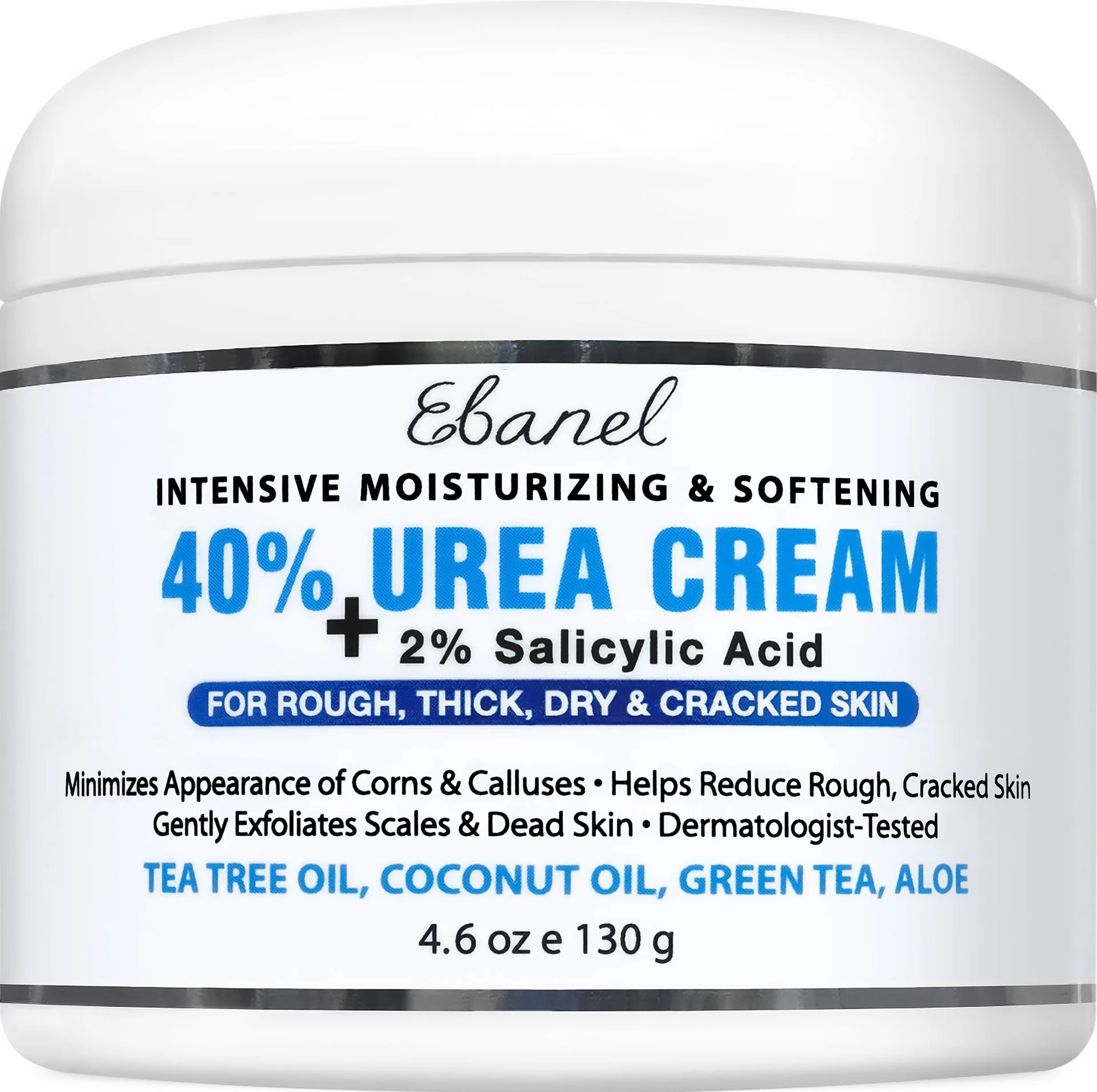
Urea is a keratolytic agent that softens and dissolves keratin, the protein that makes up the nail. By applying a urea nail gel, you can gently break down the thickened, infected nail tissue, making it easier for antifungal ingredients to reach the nail bed. This is especially important because the fungus resides beneath the nail plate, where topical treatments often struggle to penetrate. Urea also helps hydrate the nail, reducing brittleness and preventing further cracking.
- Urea nail gel works by softening the nail, allowing antifungal agents to penetrate deeper for more effective treatment.
- Consistent application is crucial—most treatments require daily use for several weeks to see visible improvement.
Step-by-Step Home Care Routine for Toenail Fungus
Start by washing and drying your feet thoroughly. Trim the affected nail as much as possible without causing pain. Use a clean nail file to gently thin the nail surface, which helps the treatment absorb better. Apply a generous amount of urea nail gel to the entire nail and surrounding skin, massaging it in for a few seconds. Allow it to absorb for 5–10 minutes before applying an antifungal cream or ointment.
For best results, repeat this routine twice daily—once in the morning and once before bed. After applying the antifungal product, cover the nail with a clean bandage or sock to keep the area dry and prevent re-infection. It is also important to disinfect any nail tools after each use and avoid sharing towels or footwear. Consistency is the most important factor; skipping applications can delay healing and allow the fungus to rebound.
- Always dry between your toes after bathing to reduce moisture that encourages fungal growth.
- Replace old socks and shoes regularly, or treat them with antifungal sprays to prevent reinfection.
Choosing the Right Antifungal Product for Your Needs
Over-the-counter antifungal creams typically contain ingredients like clotrimazole, terbinafine, or tolnaftate. These work by disrupting the cell membrane of the fungus, killing it over time. When selecting a product, look for one that is specifically formulated for nail fungus, as these often have a thicker consistency that adheres better to the nail surface. Combining a urea nail gel with an antifungal cream creates a powerful one-two punch: the urea softens the nail, and the antifungal targets the infection directly.
If you have sensitive skin or are prone to irritation, choose a product with soothing ingredients like aloe vera or vitamin E. Some antifungal creams also contain moisturizers to prevent dryness. Remember that treating nail fungus requires patience—visible improvement may take several weeks, and complete clearance can take months. Continue using the products even after the nail looks healthy to ensure the fungus is fully eradicated.
- Look for products that list both urea and an antifungal agent for a combined approach.
- Always perform a patch test before using a new product to check for allergic reactions.
Preventing Recurrence and Maintaining Healthy Nails
Once your toenail fungus has cleared, prevention is essential to avoid a recurrence. Keep your feet clean and dry, especially between the toes. Wear breathable shoes made of natural materials and change socks daily. Use antifungal powders or sprays in your shoes if you are prone to sweating. Avoid walking barefoot in public areas like gyms, pools, and locker rooms.
Incorporate a weekly maintenance routine using a urea nail gel to keep nails soft and hydrated. This not only prevents future infections but also improves overall nail appearance. If you notice any early signs of discoloration or thickening, resume treatment immediately. With proper care, you can enjoy healthy, clear nails and reduce the risk of fungal infections coming back.
- Sanitize nail clippers and files with rubbing alcohol after each use to prevent spreading fungus.
- Consider using a separate pair of shoes for workouts and rotate them to allow drying.
Treating toenail fungus at home is entirely possible with the right combination of urea nail gel and antifungal products. By softening the nail and targeting the infection directly, you can restore healthy, clear nails over time. For a reliable and effective solution, explore our selection of high-quality products designed for nail fungus home care. Start your journey to healthier nails today with the tools and routines outlined in this guide.