What This 2-in-1 Machine Can Do
A professional 2-in-1 laser system combines diode laser hair removal and picosecond tattoo removal in one device. With two separate handles, you can offer both services without buying multiple machines. This guide covers the supported steps for using such a system, based on the supplied evidence for the 2 In 1 Diode Laser Hair Removal Machine Picosecond Tattoo Removal Instrument and the 2 In 1 808nm YAG Laser Machine For Skin Rejuvenation Tattoos Hair Removal.
Both machines use similar principles: the diode handle targets hair follicles, while the picosecond handle shatters tattoo ink or pigment. The exact setup and operating steps may vary by model, so always follow the manufacturer's instructions that come with your unit.
Setting Up the Machine
Before your first treatment, you need to install and prepare the device. The supplied information includes "How to Install" instructions for both machines, but does not detail every step. Here is a general procedure based on the available evidence.
- Unpack and position the machine: The 2-in-1 model (product ID 1576833) comes in a case weighing 32 kg (package size 62 x 49 x 60 cm). The 808nm YAG model (product ID 1576829) has a larger aluminum case (53 x 54 x 126 cm) and weighs 65 kg. Place the machine on a stable, level surface near a power outlet.
- Check power requirements: Both machines support 110V/220V (50-60 Hz). Ensure your salon's electrical supply matches. The 808nm YAG machine has a power rating of 2000W and includes an emergency stop switch for safety.
- Connect the handles: Attach the diode laser handle for hair removal and the picosecond handle for tattoo removal. The 2-in-1 model includes multiple probes for the picosecond handle: 532nm, 1064nm, 1320nm, plus non-invasive versions. The 808nm YAG model also provides these wavelengths. Note: the 755nm laser tip is not included with the 2-in-1 model.
- Power on and configure settings: Use the large 15.6-inch touchscreen to navigate menus and adjust energy levels, frequency, and pulse width. The 808nm YAG machine allows frequency adjustment from 1-10 Hz and pulse width from 1-400 ms. The 2-in-1 model features intuitive menus for real-time adjustments.
Performing Diode Laser Hair Removal
The diode laser handle uses multiple wavelengths (including 808nm and 1064nm) to target melanin in hair follicles. The process is called Selective Photothermolysis: light energy converts to heat, damaging the follicle while sparing surrounding skin.
- Prepare the client's skin: Ensure the treatment area is clean, shaved, and free of lotions or makeup. The machine's TEL (Thermo-Electric Cooling) technology keeps the skin surface below 0°C, numbing the area for a painless experience. This makes it suitable for sensitive areas like the face or bikini line.
- Select the appropriate wavelength and energy: The diode handle offers four wavelengths to target various hair types and skin tones. Adjust energy levels based on the client's skin type and hair thickness. The 808nm YAG machine's built-in cooling system helps maintain skin comfort during treatment.
- Apply the laser to the treatment area: Place the diode handle against the skin and deliver pulses. Move systematically across the area, avoiding overlapping. The 808nm YAG machine uses a spot size of 15x40 mm. Treatment frequency for hair removal is typically once every 4-6 weeks, but the supplied information does not specify exact intervals.
- Post-treatment care: Clients can expect no downtime and minimal irritation. Avoid sun exposure and apply soothing lotion if needed. The supplied evidence confirms safe, irritation-free treatments with no downtime.
Performing Picosecond Tattoo and Pigment Removal
The picosecond handle delivers ultra-short pulses (picoseconds) that create a photoacoustic effect, shattering ink or pigment into tiny fragments. The body's lymphatic system then clears these particles. Different wavelengths target specific colors.
- Assess the tattoo or pigmentation: Identify the colors and depth of the tattoo or spots. The picosecond handle includes multiple probes: 532nm for red/orange inks and superficial pigmentation (freckles, sunspots), 1064nm for dark inks and deep pigmentation (melasma), and 1320nm for deeper cleansing and collagen stimulation. Non-invasive 532nm and 1064nm probes are also available.
- Select the correct probe and settings: Attach the appropriate probe to the picosecond handle. Adjust energy and frequency on the touchscreen. The 808nm YAG machine's picosecond handle also offers these wavelengths and is suitable for tattoo removal, spot removal, pore refining, and skin rejuvenation.
- Deliver pulses to the target area: Place the probe against the skin and activate the laser. The picosecond technology minimizes heat damage to surrounding tissue. Multiple sessions are typically needed; the supplied information does not specify exact numbers.
- Post-treatment care: Expect some redness or swelling, which usually subsides quickly. Keep the area clean and avoid sun exposure. The machine promotes even skin tone and enhances clarity by removing unwanted pigment without harming surrounding tissue.
Product Evidence for Your Reference
-
2 In 1 Diode Laser Hair Removal Machine Picosecond Tattoo Removal Instrument: Professional 2-in-1 Laser System: combines diode laser hair removal and picosecond tattoo removal with two separate handles. This confirms you can perform both treatments with one machine, saving space and cost.
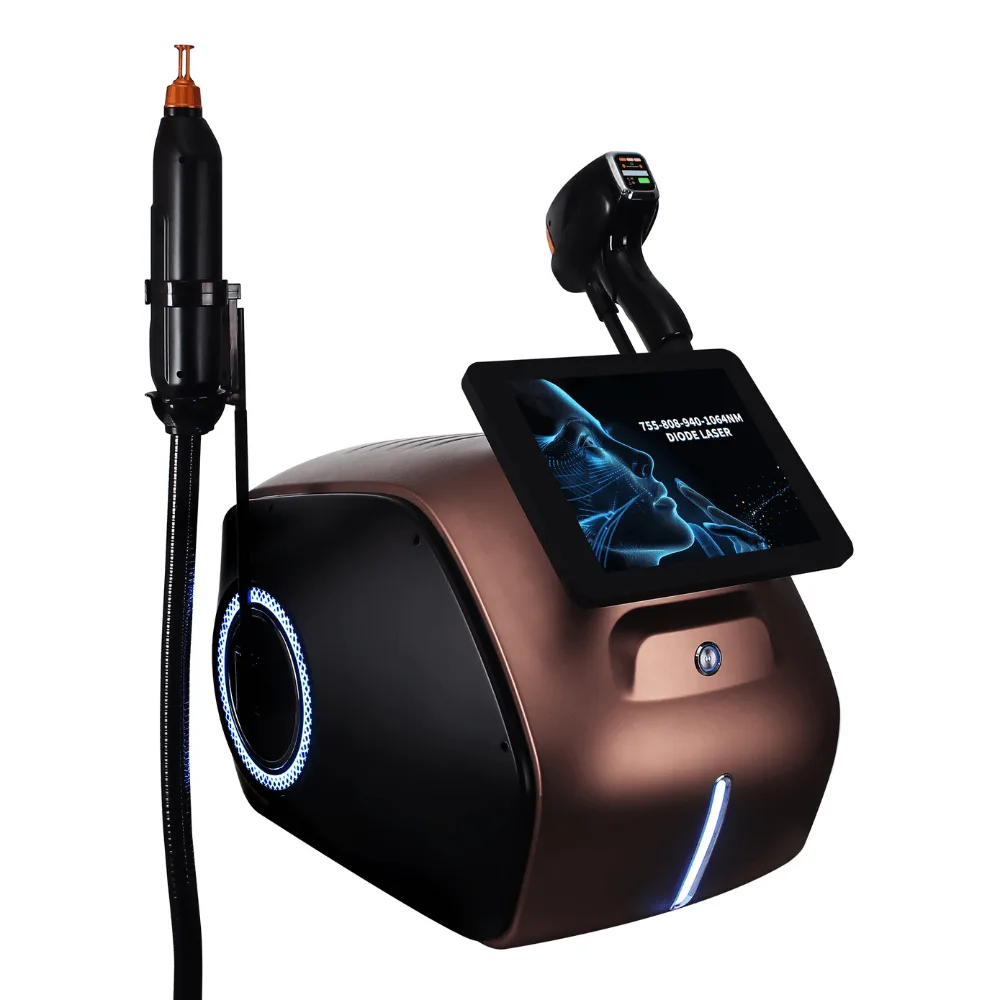
2 In 1 Diode Laser Hair Removal Machine Picosecond Tattoo Removal Instrument
-
2 In 1 Diode Laser Hair Removal Machine Picosecond Tattoo Removal Instrument: TEL (Thermo-Electric Cooling) technology keeps the skin surface below 0°C for a painless experience. Cooling enhances client comfort, especially for sensitive areas like the face or bikini line.
-
2 In 1 808nm YAG Laser Machine For Skin Rejuvenation Tattoos Hair Removal: Equipped with multiple Picosecond wavelengths (532nm, 1064nm, 1320nm) for tattoo removal, spot removal, pore refining, and skin rejuvenation. Multiple wavelengths allow you to treat a wide range of tattoo colors and skin concerns with one machine.
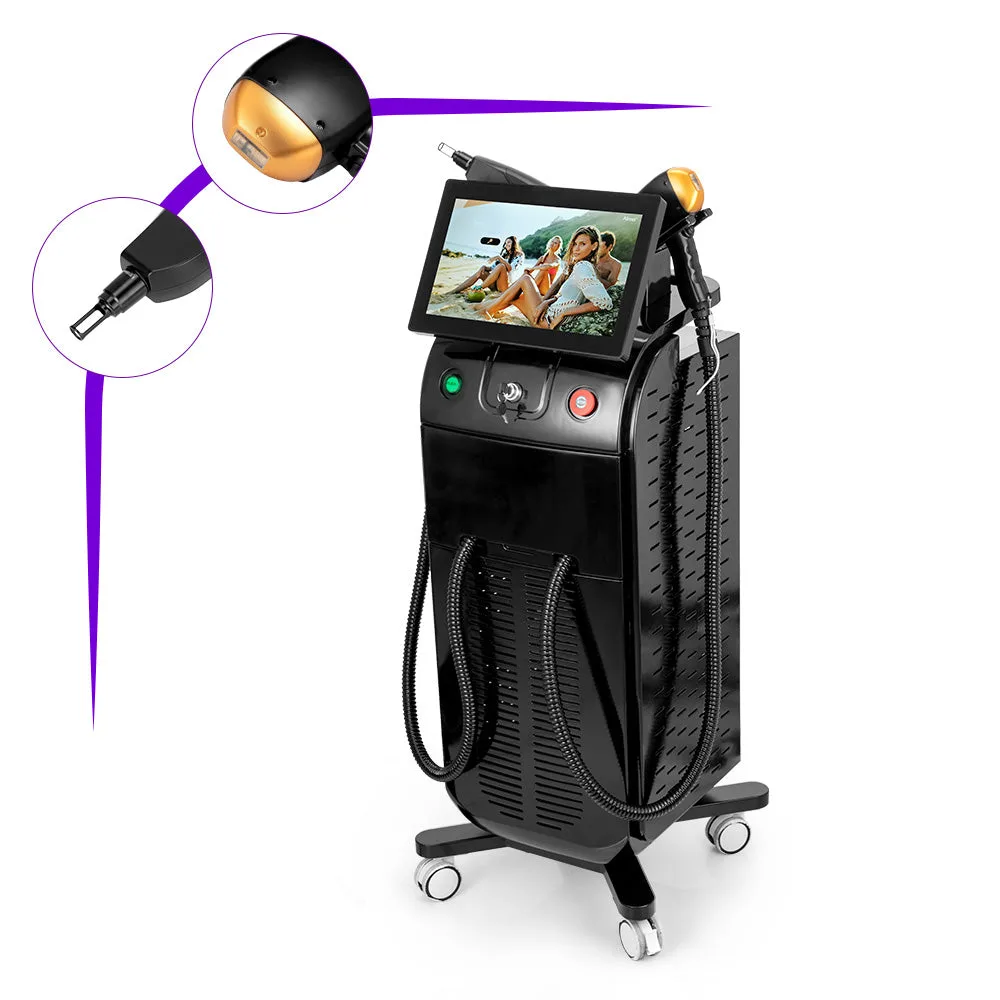
2 In 1 808nm YAG Laser Machine For Skin Rejuvenation Tattoos Hair Removal
-
2 In 1 808nm YAG Laser Machine For Skin Rejuvenation Tattoos Hair Removal: Includes an emergency stop switch for added safety during operation. Safety features are critical for professional use, especially in a busy salon environment.
What the Supplied Information Does Not Confirm
The available evidence does not specify exact treatment intervals, number of sessions required, or detailed aftercare routines. For hair removal, typical schedules range from 4-8 weeks, but you should consult the manufacturer's manual for your specific model. Similarly, tattoo removal usually requires multiple sessions spaced several weeks apart. Always perform a patch test on a small area before full treatment and follow all safety guidelines provided with your machine.
Both machines are designed for professional salon use. The 2-in-1 model is built for high-frequency use, while the 808nm YAG machine has a gross weight of 65 kg and a 4L water tank for cooling. Ensure your staff is trained on proper operation and safety protocols.