Quick Answer
To get clean cuts with a 7" bypass pruner, position the blade just above a bud or node, angle it at 45 degrees, and use a smooth, single squeeze—avoid twisting or rocking the tool.
Why Bypass Pruners Make Cleaner Cuts
A bypass pruner works like scissors: the sharp blade slides past a thicker hook, slicing the stem cleanly. This is different from anvil pruners, which crush the stem as they cut. For most garden pruning, you want the clean cut that a bypass design provides, as it helps the plant heal faster and reduces the risk of disease.
The 7" Bypass Pruner from Radius Garden is a good example of this design. It features a classic hinge that keeps the blades aligned, and the over-molded poly grip gives you a comfortable, secure hold. Its maximum cutting size of 0.59 inches means it's best for soft green growth, not thick woody branches.
Know Your Limits: What a 7" Pruner Can Handle
Every pruner has a maximum cutting capacity, and exceeding it can damage both the tool and the plant. The 7" Bypass Pruner is rated for stems up to 0.59 inches in diameter. Attempting to cut thicker wood can cause the blades to bind or the stems to tear, leaving a ragged wound.
For thicker branches, you'll need a lopper or a pruning saw. Knowing when to switch tools is a key part of good pruning practice.
Step-by-Step: Making Clean Cuts with Your 7" Bypass Pruner
- Choose the Right Stem: Select stems that are green and soft, up to 0.59 inches in diameter. Avoid thick, woody branches that exceed the tool's capacity. If the stem is thicker than a pencil, use a lopper or saw instead.
- Position the Blade Correctly: Hold the pruner so the sharp blade is on the side of the stem you want to keep. Place the blade just above a bud or node, angling it at about 45 degrees away from the bud. Cutting too close to the bud can damage it; cutting too far leaves a stub that invites disease.
- Squeeze with a Single, Smooth Motion: Close the handles firmly and smoothly without twisting or rocking the tool. The over-molded grip helps you maintain control. A clean, single cut is better than a sawing motion. If you feel resistance, stop and check the stem's thickness—don't force the cut.
- Clean Up After Each Cut (Optional but Helpful): Wipe the blades with a clean cloth to remove sap and debris. For diseased plants, sanitize the blades with rubbing alcohol between cuts to prevent spreading pathogens. Regular cleaning keeps the blades sharp and reduces the risk of plant disease.
Featured Product: 7" Bypass Pruner
-
7" Bypass Pruner: The 7" Bypass Pruner features an Over-Molded Poly Grip for a secure hold and a classic hinge design for straightforward cuts. This grip reduces hand fatigue and improves control, helping you make precise, clean cuts without slipping.
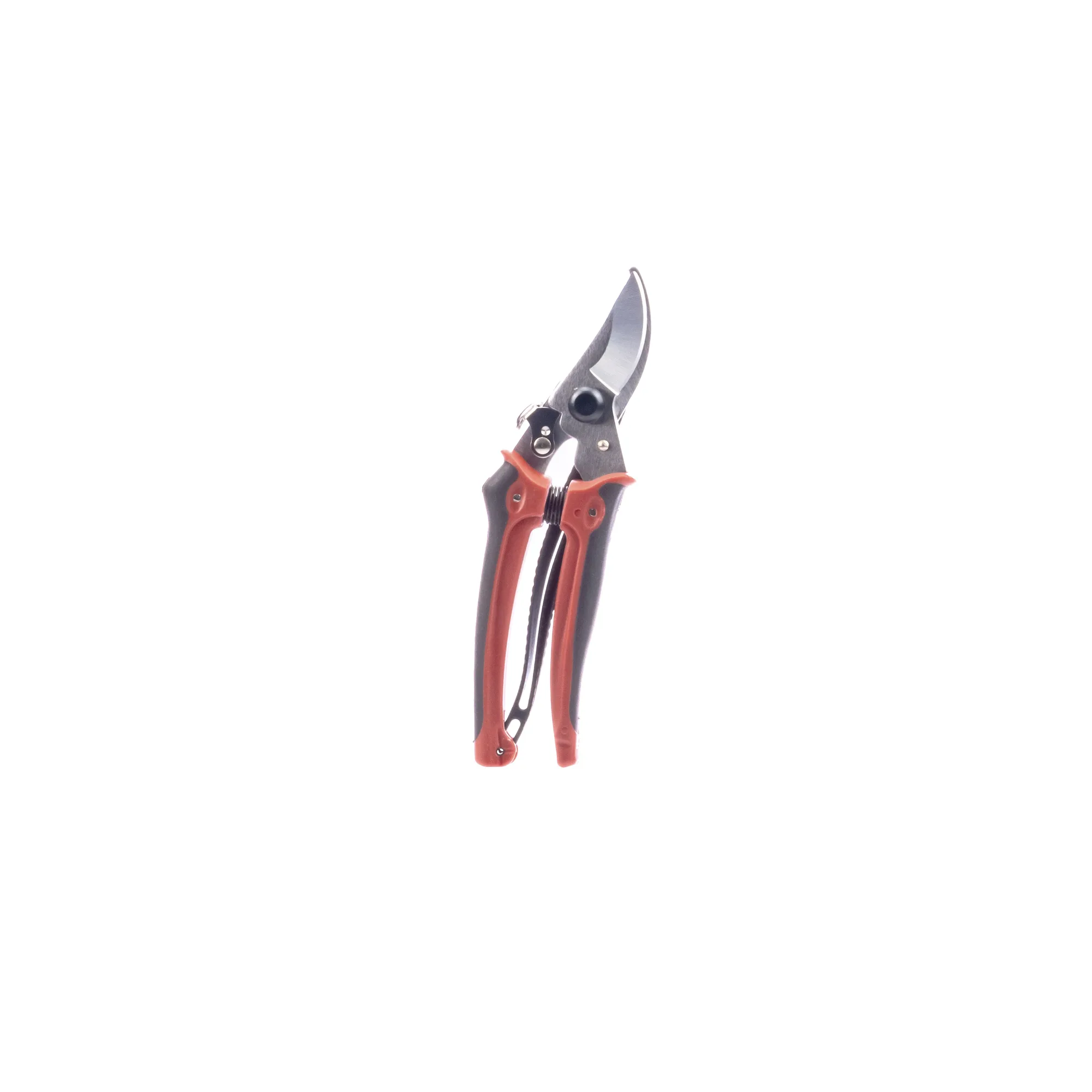
7" Bypass Pruner
-
7" Bypass Pruner: It is crafted from durable K5 Steel with a chrome finish and has a maximum cutting size of 0.59 inches. The durable steel keeps the blade sharp longer, and the 0.59-inch limit tells you exactly which stems it can handle cleanly.