Zero waste cooking is more than a trend—it's a mindful approach to reducing kitchen waste, saving money, and protecting the planet. One of the simplest yet most effective tools for this lifestyle is a measuring cup set. Whether you're portioning grains, mixing dressings, or scaling recipes, the right measuring cups can help you cook precisely while cutting down on single-use plastics and food waste.
In this guide, we'll explore how to use a measuring cup set for zero waste cooking, from choosing sustainable materials to practical tips for plastic free cooking. You'll learn how to integrate these essential tools into your daily routine, reduce packaging waste, and make every ingredient count. Let's transform your kitchen into a hub of sustainability.
Why a Measuring Cup Set Belongs in a Sustainable Kitchen
A measuring cup set is a cornerstone of any sustainable kitchen. Unlike disposable measuring tools or plastic scoops that end up in landfills, a durable set made from glass, stainless steel, or bamboo can last for decades. By using reusable measuring cups, you eliminate the need for single-use plastic bags or containers often used for portioning ingredients. This small swap significantly reduces your household's plastic footprint.
Moreover, precise measurements help prevent food waste. When you cook with accurate portions, you're less likely to over-prepare ingredients that later spoil. For zero waste cooking, this is key—every grain of rice, splash of oil, or spoonful of flour is used intentionally. A quality measuring cup set also encourages bulk buying, as you can easily portion out dry goods from bulk bins at the store, avoiding pre-packaged items.
- Choose a measuring cup set made from glass, stainless steel, or bamboo for durability and recyclability.
- Use your measuring cups to portion bulk purchases like oats, pasta, and spices to reduce packaging waste.
- Look for sets with clear, etched markings that won't fade over time—avoid plastic versions that can leach microplastics.
Plastic Free Cooking: Materials That Matter
When selecting a measuring cup set for plastic free cooking, material choice is crucial. Glass measuring cups are non-porous, easy to clean, and don't absorb odors or stains. They're microwave and dishwasher safe, making them versatile for both dry and liquid ingredients. Stainless steel cups are lightweight, unbreakable, and often come with nested designs for easy storage. Bamboo or wooden handles add a natural aesthetic, but ensure the cups themselves are lined with a food-safe finish.
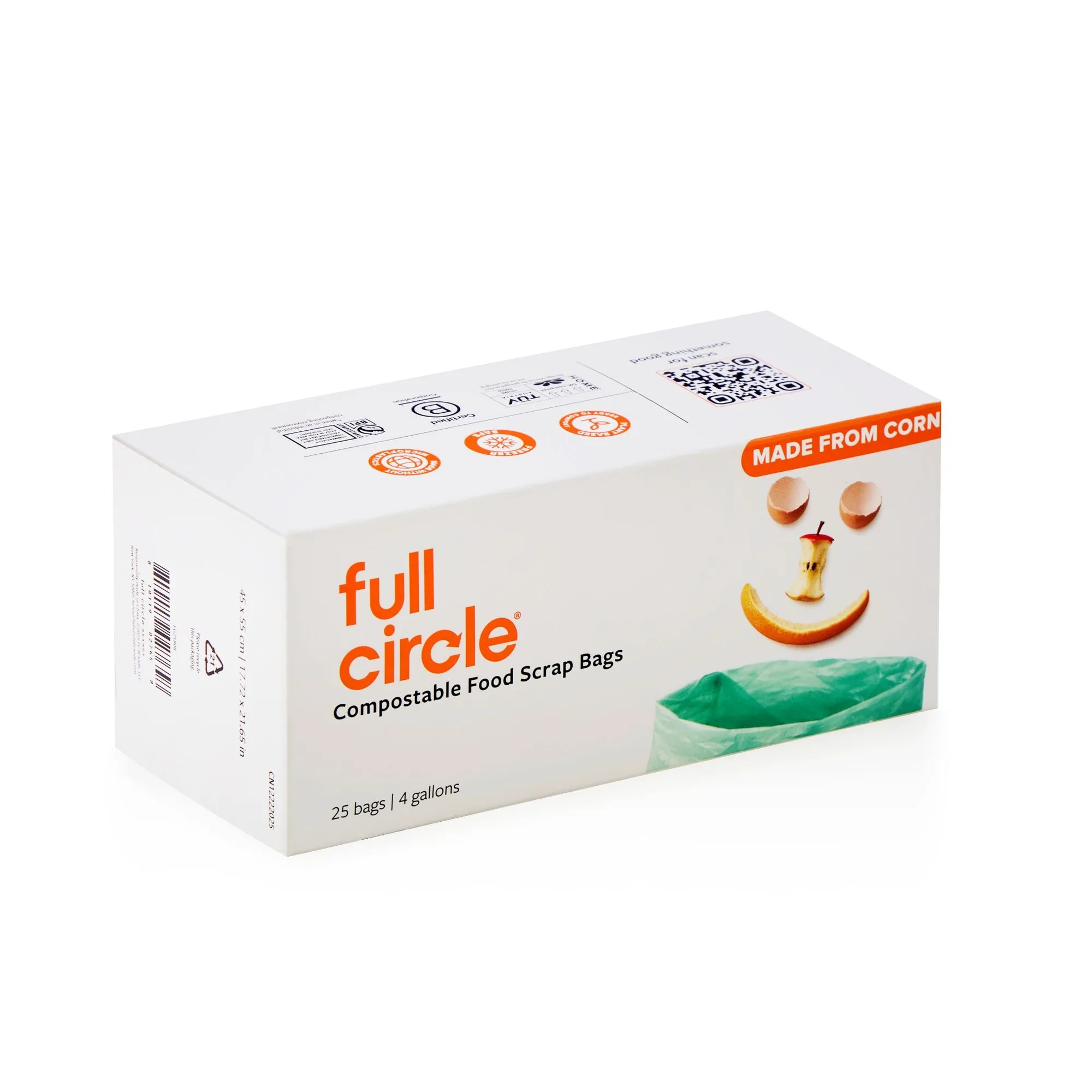
Avoid plastic measuring cups, which can degrade over time and release microplastics into your food—especially when used with hot liquids or acidic ingredients like tomatoes or citrus. By investing in a sustainable set, you're not only cooking plastic free but also safeguarding your health. Pair your measuring cups with other eco-friendly tools like a compostable food scrap bag for kitchen scraps to complete your zero waste setup.
- Glass and stainless steel are the best choices for plastic free measuring cups.
- Check that the markings are etched, not printed, to avoid ink leaching into food.
- Consider a set that includes both standard and metric measurements for versatility.
Practical Tips for Zero Waste Cooking with Measuring Cups
Integrating a measuring cup set into your zero waste cooking routine is simple. Start by using them for dry ingredients like flour, sugar, and oats when buying from bulk bins. Bring your own reusable bags or containers to the store, then use your measuring cups at home to portion into jars or storage containers. This eliminates the need for plastic packaging and keeps your pantry organized.
For liquid measurements, glass measuring cups are ideal for water, oil, vinegar, and broth. Use them to mix salad dressings, marinades, or sauces directly in the cup—less cleanup, no extra bowls. You can also use measuring cups to portion leftovers for freezing, ensuring you use exactly the amount needed for future meals. This practice reduces food waste and saves time on busy days.
- Keep your measuring cup set accessible on the counter for daily use—out of sight often means out of mind.
- Use the largest cup in the set to mix batters or doughs, minimizing dish usage.
- After measuring sticky ingredients like honey or peanut butter, scrape the cup clean with a silicone spatula to avoid waste.
Zero Waste Recipes That Rely on Precise Measurements
Zero waste cooking thrives on precision, and a measuring cup set makes it easy. Try a simple overnight oats recipe: use your measuring cup to portion 1 cup of rolled oats, 1 cup of plant-based milk, and a tablespoon of chia seeds. Combine in a jar, refrigerate overnight, and enjoy a waste-free breakfast. No plastic packaging, no single-serve containers—just whole ingredients.
Another favorite is a homemade vegetable broth. Save vegetable scraps (carrot peels, onion ends, celery leaves) in a compostable food scrap bag in the freezer. When you have enough, use your measuring cup to add 4 cups of water and 1 tablespoon of salt to a pot with the scraps. Simmer, strain, and you have zero waste broth. The measuring cup ensures consistent flavor every time.
- For baking, use your measuring cup set to precisely portion flour, sugar, and leavening agents—baking is a science!
- Try making your own granola: measure oats, nuts, seeds, and sweetener with your cups to avoid store-bought packaging.
- Use a small measuring cup to portion out homemade cleaning solutions—another zero waste win.
Caring for Your Measuring Cup Set to Maximize Longevity
To ensure your measuring cup set lasts for years, proper care is essential. Glass cups can be washed with warm, soapy water or placed in the dishwasher. Avoid sudden temperature changes (like pouring boiling water into a cold glass) to prevent cracking. Stainless steel cups are dishwasher safe, but dry them immediately to prevent water spots. Bamboo-handled cups should be hand-washed and dried thoroughly to avoid warping.
Store your measuring cups nested together to save space and prevent damage. If your set includes a ring or holder, use it to keep cups organized. Regularly inspect markings—if they fade, consider replacing the set to maintain accuracy. With minimal care, a quality measuring cup set can become a lifelong kitchen companion, supporting your zero waste journey for decades.
- Hand wash wooden or bamboo components to extend their life.
- Avoid using abrasive scrubbers on etched markings to keep them legible.
- If you notice rust on stainless steel cups, rub with a paste of baking soda and water to restore them.
Embracing zero waste cooking with a measuring cup set is a simple yet powerful step toward a more sustainable kitchen. By choosing durable materials, using precise measurements to reduce food waste, and integrating these tools into your daily routine, you can make a meaningful impact on the planet. Ready to upgrade your kitchen? Explore our collection of eco-friendly kitchen essentials to find the perfect measuring cup set for your home.