Quick Answer
To use a neck wrap for tension relief, warm it according to the manufacturer's instructions, wrap it snugly around your neck, and relax for 15–20 minutes. For best results, combine it with gentle stretching and proper posture. Always check the temperature to avoid burns, especially if you have sensitive skin.
Neck tension is a common complaint, whether from long hours at a desk, stress, or sleep position. A neck wrap can be a simple, drug-free way to ease tight muscles and improve comfort. This guide walks you through the steps to use a neck wrap effectively and safely.
We'll cover how to prepare the wrap, position it correctly, and integrate it into your routine. You'll also learn common mistakes to avoid and how to get the most benefit from your therapy session.
Why Use a Neck Wrap?
Neck wraps provide targeted heat or cold therapy that can help relax tense muscles, improve blood flow, and reduce pain. Heat therapy is often recommended for chronic tightness, while cold therapy can help with acute inflammation. Many wraps are filled with materials like rice, gel, or clay that retain temperature well.
Using a neck wrap regularly can be a convenient way to manage discomfort without needing to visit a professional. It's also a portable option you can use at home, in the office, or while traveling. However, it's important to choose the right type and use it correctly to avoid injury.
- Heat wraps are best for muscle tightness and stress relief.
- Cold wraps are ideal for recent injuries or swelling.
- Always follow the manufacturer's heating or cooling instructions.
Choosing the Right Neck Wrap
When selecting a neck wrap, consider the material, size, and how it's heated. Some wraps are microwavable, others use electric heat, and some are designed for cold therapy. Look for one that contours to your neck and stays in place without being too tight.
If you have sensitive skin, choose a wrap with a soft cover. Also, check whether the wrap has adjustable straps or a shape that fits your neck comfortably. A well-fitting wrap will provide even contact and better relief.
- Microwavable wraps are convenient and don't require electricity.
- Electric wraps offer consistent heat but need a power source.
- Ensure the wrap is not too heavy, as that can add strain.
Preparing Your Neck Wrap
Before using your neck wrap, read the instructions carefully. If it's microwavable, heat it in short intervals—typically 1–2 minutes—and check the temperature before applying. Overheating can cause burns, so always test on your forearm first.
If your wrap is electric, plug it in and set the desired temperature. Many electric wraps have adjustable heat settings, so start low and increase as needed. For cold therapy, place the wrap in the freezer for the recommended time, usually 2–4 hours.
- Never heat a cold pack in the microwave unless it's specifically designed for that.
- Use a timer to avoid leaving the wrap on too long.
- If the wrap has a removable cover, wash it regularly for hygiene.
Positioning the Neck Wrap
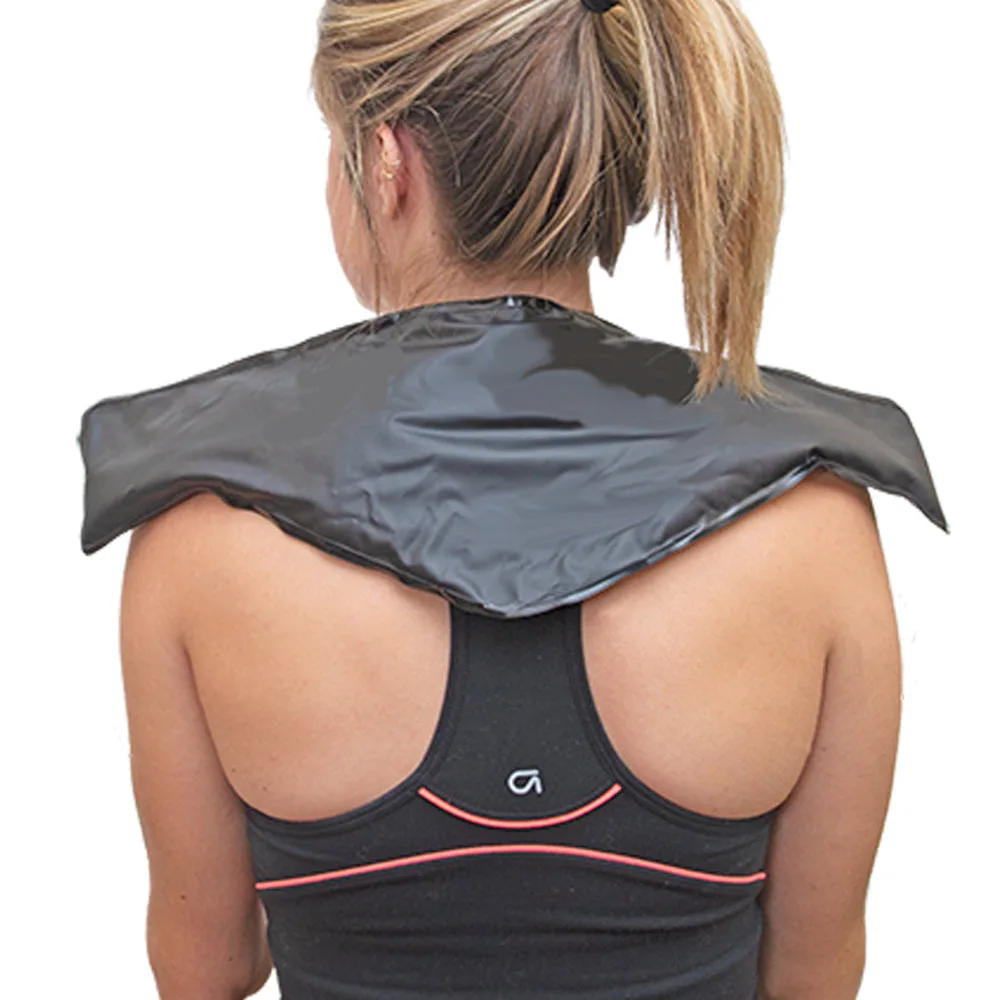
Sit or lie down in a comfortable position. Place the wrap around your neck, ensuring it covers the area of tension—usually the back of the neck and upper shoulders. The wrap should be snug but not too tight, allowing you to breathe easily and move your head slightly.
If the wrap has straps, fasten them securely but not so tight that they dig into your skin. You can also use a towel between the wrap and your skin if it feels too hot. Relax your shoulders and breathe deeply to enhance the effect.
- Avoid covering your throat area directly, as it can be uncomfortable.
- Use pillows to support your head and neck if you're lying down.
- Keep the wrap in place for the recommended duration, usually 15–20 minutes.
Step-by-Step: Using a Neck Wrap Safely
- Read the Instructions: Before anything, read the manufacturer's guide for heating or cooling times and any warnings. Different materials have different limits. Checkpoint: Verify the recommended duration and temperature settings.
- Prepare the Wrap: Heat in the microwave in short bursts (1–2 minutes) or plug in the electric wrap. For cold therapy, freeze for the recommended time. Always test the temperature on your forearm. Checkpoint: The wrap should feel warm, not burning.
- Position the Wrap: Place the wrap around the back of your neck, covering the tense area. Ensure it's snug but not constricting. Use a towel if needed for comfort. Checkpoint: You should be able to breathe and swallow easily.
- Relax for 15–20 Minutes: Sit or lie down, close your eyes, and breathe deeply. Avoid moving your neck too much. Set a timer so you don't exceed the recommended time. Checkpoint: Do not fall asleep with the wrap on.
- Remove and Care for the Wrap: After use, remove the wrap and let it cool down or thaw. Clean the cover if it's removable. Store it in a dry place. Checkpoint: Regular cleaning prevents skin irritation.
Products to Support Your Neck Therapy
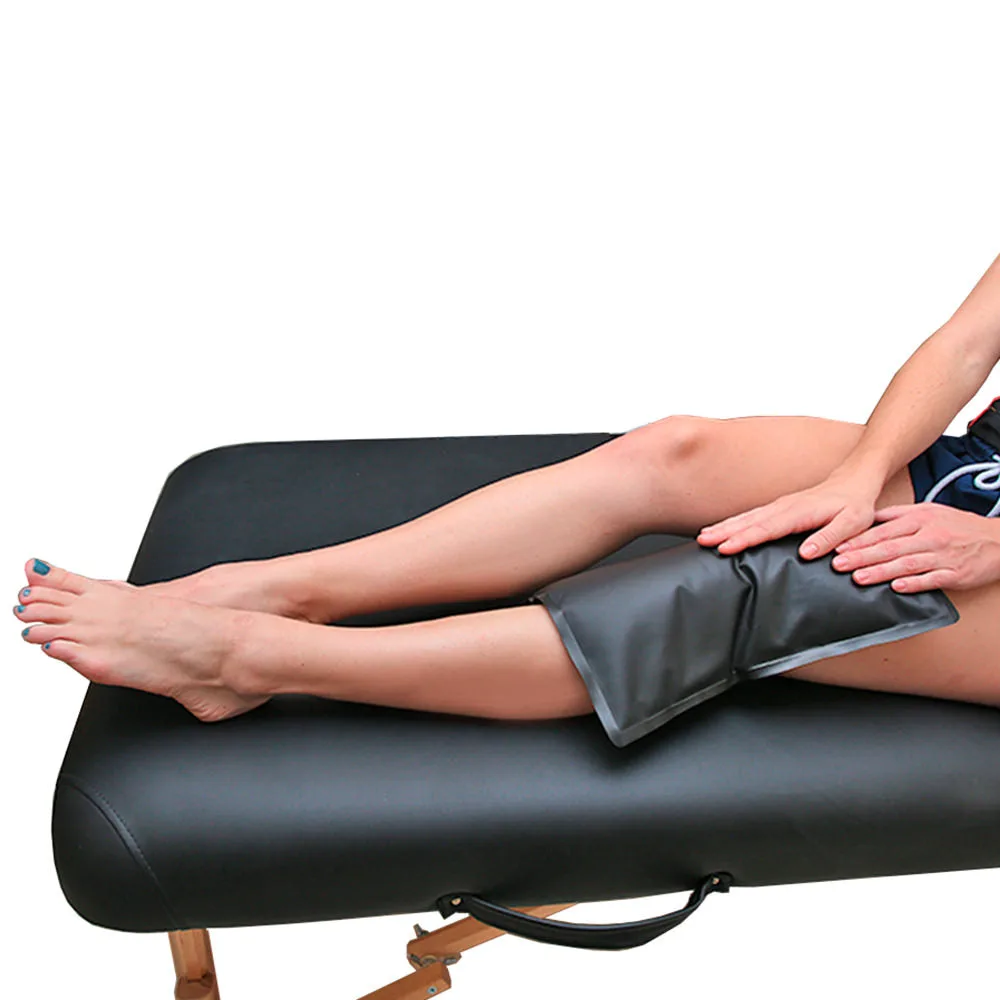
- https://spabodyworkmarketex.com/products/black-urethane-cold-pack-1-1719e5bb7de7aec76b5f67ea-796108Black Urethane Cold Pack: BodyMed Heavy Duty Black Urethane Cold Packs feature an ultra-durable black urethane shell that withstands hundreds of cycles of freezing and thawing without splitting, tearing, or dripping. They maintain total flexibility even when frozen, delivering cold therapy along the entire contour of the affected area. If your neck tension is from a recent injury or inflammation, a flexible cold pack like this can contour to your neck for effective cold therapy. Its durability makes it a reliable option for repeated use.
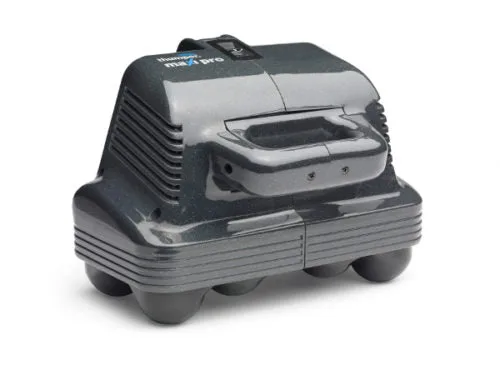
- Thumper Maxi Pro - Professional Electric Percussive Full Body Massager: The Maxi Pro was originally designed for Chiropractors to use on patients for soft tissue work and to warm up muscles prior to adjustment. It is often used by physiotherapists, massage therapists, and athletic trainers for treatment of large muscle groups. It is a professional modality and not recommended for home use or self-use. While a neck wrap offers passive relief, combining it with professional percussive therapy can address deeper muscle tension. This device is best used by trained professionals, so consider it if you're a practitioner looking to complement your clients' care.
Using a neck wrap for tension relief is a simple and effective method when done correctly. By following these steps, you can safely enjoy the benefits of heat or cold therapy. Remember to always prioritize safety and listen to your body. For persistent pain, consult a healthcare professional.