Quick Answer
To use a peel for acne-prone skin safely, start with a gentle acid like mandelic or salicylic acid, patch test first, and begin with once a week. Always follow the instructions, avoid combining with other active ingredients, and moisturize afterward to protect your barrier.
Exfoliating is a key step in managing acne-prone skin, but using a peel incorrectly can cause more harm than good. Over-exfoliation leads to irritation, redness, and a damaged moisture barrier—making breakouts worse. The goal is to remove dead skin cells and unclog pores without stripping your skin.
This guide walks you through how to use a chemical peel for acne-prone skin safely, from choosing the right type to knowing how often to peel. Whether you're new to at-home peels or want to refine your routine, these steps will help you get the benefits without the backlash.
Choosing the Right Peel for Acne-Prone Skin
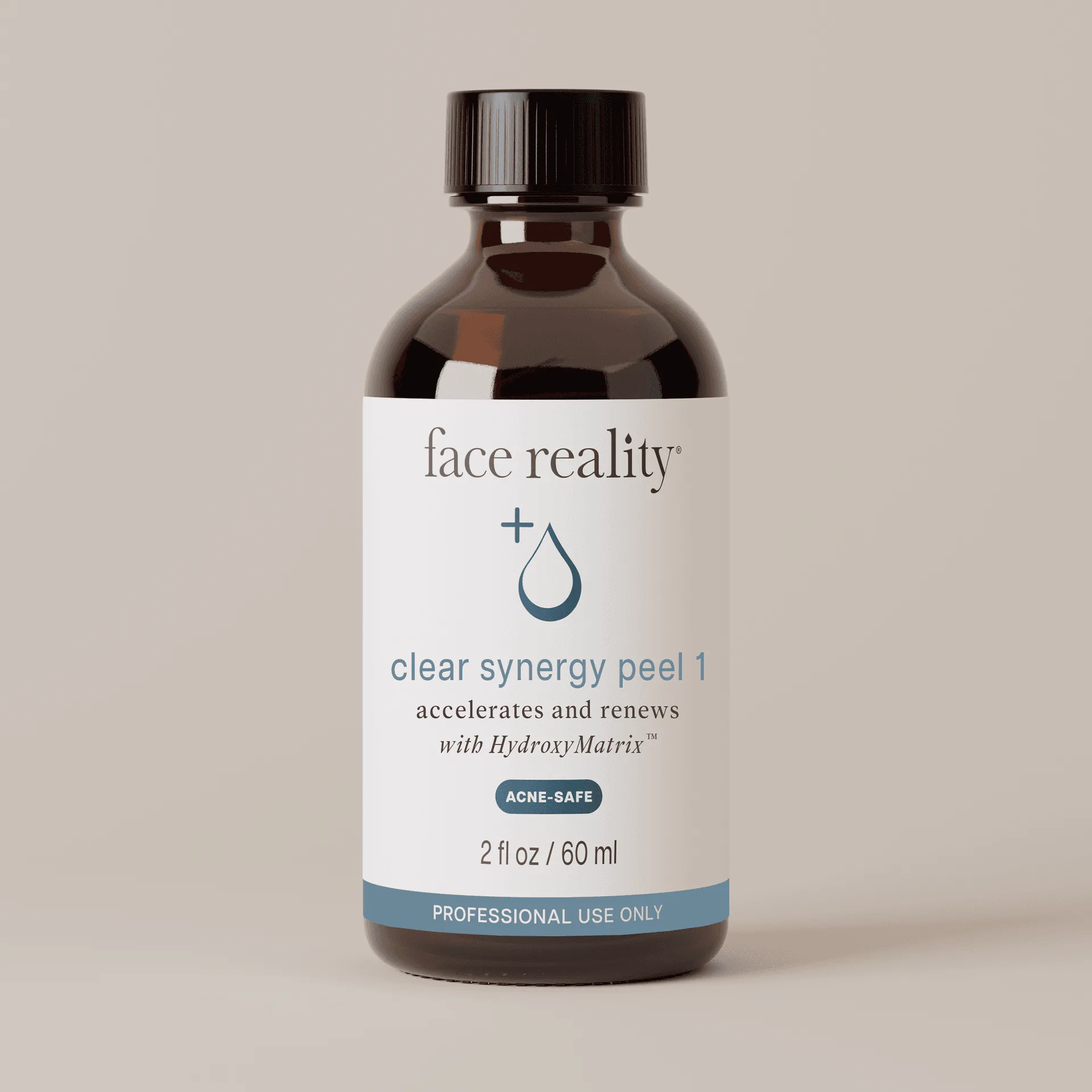
Not all peels are created equal, and for acne-prone skin, the acid type matters. Salicylic acid is oil-soluble, so it can penetrate pores to dissolve the buildup that leads to blackheads and whiteheads. Mandelic acid, on the other hand, has larger molecules that work more gently on the surface, making it ideal for sensitive or darker skin tones that are prone to hyperpigmentation.
If you're new to peels, start with a lower concentration and a gentler acid. Mandelic acid peels are often recommended for beginners because they exfoliate with less risk of irritation. Salicylic acid peels are more potent for oily, congested skin but require careful use. Avoid peels with high percentages of glycolic acid if your skin is sensitive or easily inflamed.
- Choose a peel that matches your skin type and concerns—salicylic for congestion, mandelic for sensitivity.
Patch Testing and Preparing Your Skin
Before applying any peel to your face, do a patch test on a small area, like behind your ear or along your jawline. This helps you check for allergic reactions or excessive irritation. Apply a small amount, wait 24 hours, and watch for redness, burning, or breakouts.
In the days leading up to a peel, stop using retinoids, benzoyl peroxide, and other strong actives. These can increase your skin's sensitivity and make the peel too aggressive. On the day of the peel, cleanse your face with a gentle, non-stripping cleanser and make sure your skin is completely dry before applying the acid.
- Never apply a peel to broken, sunburned, or recently waxed skin.
Applying the Peel Correctly
Follow the product instructions to the letter. Most at-home peels are meant to be applied in a thin, even layer, avoiding the eye area, nostrils, and lips. Use a fan or cotton pad to apply, and set a timer—do not guess the time. Leaving the peel on too long is the most common mistake that leads to chemical burns.
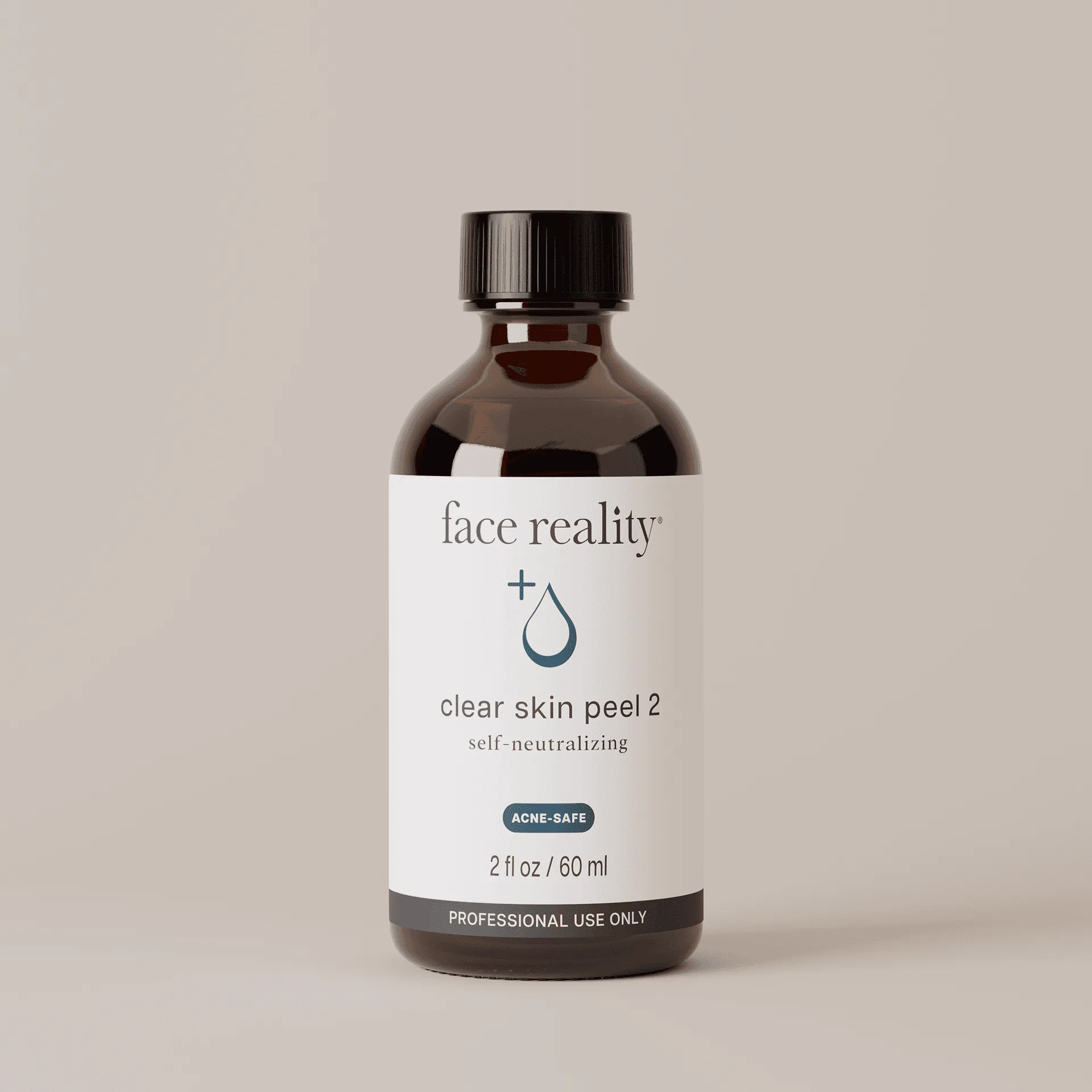
As soon as the time is up, neutralize the peel with water or a neutralizing solution if the product requires it. Some peels are self-neutralizing, but others need a specific step. Rinse thoroughly with cool water and pat your skin dry gently. Do not rub or scrub.
- If you feel intense burning or stinging, remove the peel immediately with cool water.
Post-Peel Care and Frequency
After a peel, your skin is more sensitive and vulnerable. For the next 24 to 48 hours, avoid other exfoliants, retinoids, and harsh cleansers. Use a gentle, hydrating moisturizer to support your barrier and always apply sunscreen during the day, as peels increase sun sensitivity.
How often you can peel depends on your skin's tolerance and the strength of the acid. For at-home peels, once a week is a common starting point, but some gentle mandelic peels can be used more frequently. Pay attention to your skin—if it feels tight, stings, or looks red, give it more time between sessions. The goal is to exfoliate, not to peel your skin off.
- Start with every 7–10 days and adjust based on how your skin responds.
Step-by-Step Safe Peel Routine
- Choose your acid: Select a peel based on your skin type: salicylic acid for oily, congested skin; mandelic acid for sensitive or hyperpigmentation-prone skin. Start with a lower concentration. Checkpoint: If you're new, choose a 5–10% mandelic peel rather than a stronger acid.
- Patch test: Apply a small amount to a discreet area (behind ear or jawline) and wait 24 hours to check for adverse reactions. Checkpoint: If you see redness, swelling, or burning, do not use the peel.
- Prep your skin: Stop using retinoids, benzoyl peroxide, and other strong actives for 2–3 days before. Cleanse with a gentle cleanser and dry your face completely. Checkpoint: Never apply peel to damp skin—it increases penetration and irritation.
- Apply and time: Apply a thin, even layer, avoiding eyes, nostrils, and lips. Set a timer and follow the product's recommended time exactly. Checkpoint: If you feel intense burning, rinse off immediately with cool water.
- Neutralize and rinse: If required, neutralize the peel with the provided solution or water. Rinse thoroughly with cool water and pat dry gently. Checkpoint: Don't rub or scrub your skin—it's more delicate after a peel.
- Post-peel care: Apply a gentle, hydrating moisturizer to support your barrier. Avoid other active ingredients for 24–48 hours and wear sunscreen daily. Checkpoint: If your skin feels tight or stings, wait longer between peels.
Products That Support Safe Peeling
- Barrier Balance Creamy Cleanser: Comfort skin with this indulgent creamy cleanser that leaves your skin feeling soft and clean. This gentle formula cleanses, calms, and hydrates skin while supporting a healthy moisture barrier and microbiome, all key elements to achieving and maintaining clear skin. Using a gentle cleanser before and after a peel reduces irritation and helps maintain your moisture barrier, which is crucial for acne-prone skin.
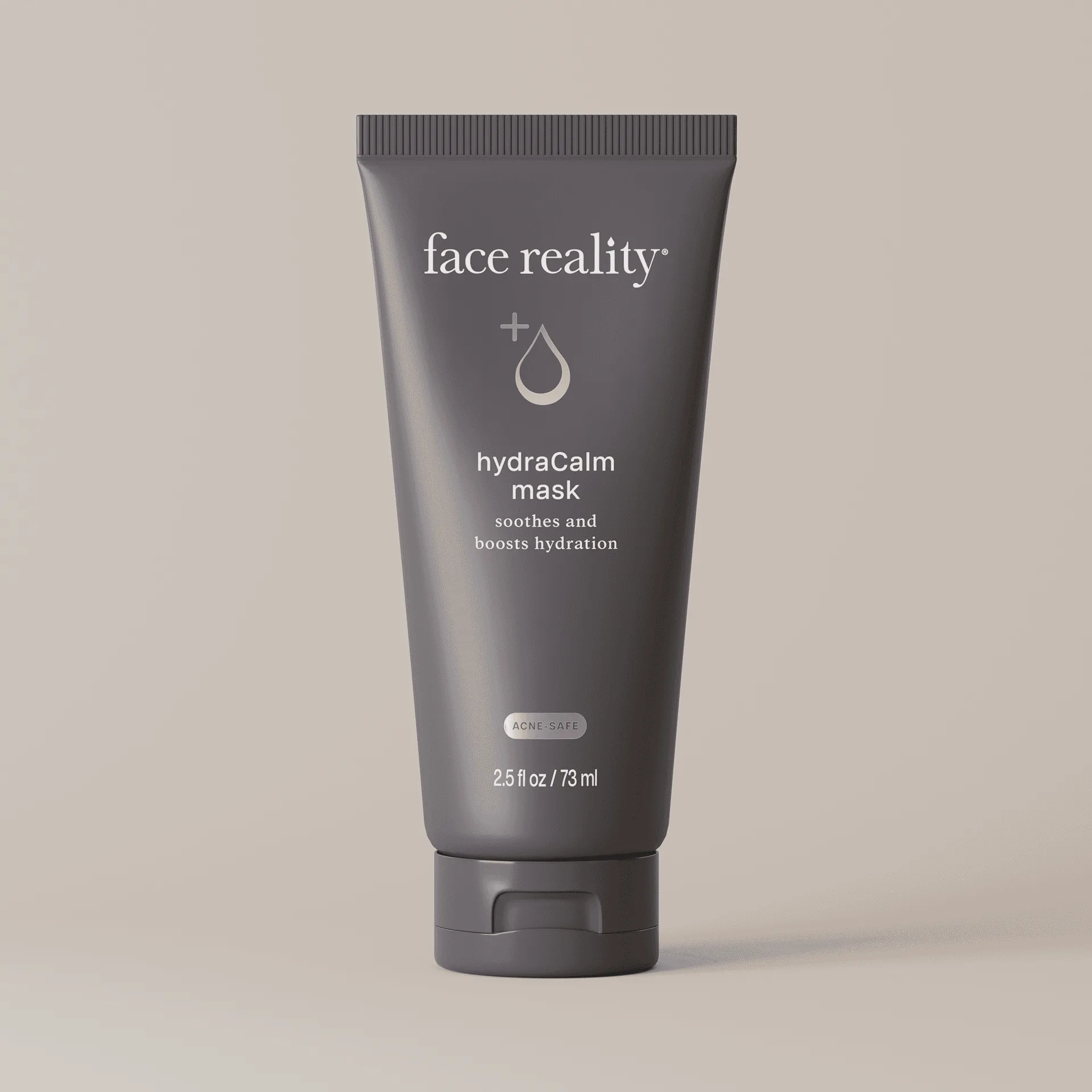
- hydraCalm Mask: When dry skin is crying out for relief, quench it with this intensely hydrating mask. Full of ultra-soothing ingredients, our hydraCalm Mask restores moisture, boosts hydration and calms your skin. A hydrating mask can calm and replenish skin post-peel, minimizing dryness and redness without clogging pores.
Using a peel for acne-prone skin can be a game-changer when done correctly. Start slow, listen to your skin, and always prioritize barrier health. With the right acid and a careful routine, you can exfoliate effectively without the irritation.