Quick answer
A plastic runner rug can protect your kitchen floor and add comfort underfoot, but placement and material choice matter. For high-traffic or spill-prone areas, choose a reversible, easy-to-clean plastic rug like the ADA Granit Runner.
Why a plastic runner rug works in the kitchen
Kitchens are high-moisture zones where spills, splashes, and dropped food are daily occurrences. Traditional fabric rugs can trap grime and odors, but a plastic runner rug is naturally water-resistant and wipes clean quickly. Its smooth woven surface repels stains and dries fast, making it a practical choice for busy cooking spaces.
One trade-off: plastic rugs can feel firmer underfoot than plush fabric runners. If you stand for long periods while cooking, consider pairing the rug with supportive footwear or using a padded mat underneath for extra comfort.
Step-by-step guide to using a plastic runner rug in the kitchen
- Measure your kitchen floor accurately: Determine the length and width of the area where you want the runner. For standard kitchen paths like in front of the sink or stove, allow at least 24 inches of clearance from counter edges. Use a tape measure to get exact numbers; do not guess. Common mistake: ordering a runner that’s too long or too short. Check that the rug leaves at least 6 inches of exposed floor on each end to avoid tripping.
- Choose a location with minimal foot traffic overlap: Place the runner rug in a straight path where it won’t block cabinet doors or create a choke point. For galley kitchens, center the rug between counters. In L-shaped layouts, avoid placing it directly under a frequently opened dishwasher door. Checkpoint: ensure the rug doesn’t interfere with appliance doors or island stools when they’re in use.
- Select a plastic rug that suits your kitchen’s needs: Consider spill resistance and ease of cleaning. A reversible plastic rug like ADA Granit Runner offers a durable surface that can be flipped to extend its life. For areas where you stand for longer periods, a slightly softer weave like EFFI Apple Runner adds comfort.
- Secure the rug to prevent slipping: Use a non-slip rug pad specifically designed for hard floors. Cut the pad to fit exactly under the runner, leaving no overlap. Some plastic rugs have a natural grip on smooth surfaces, but a pad provides extra security in busy kitchens. Common mistake: using a pad that is larger than the rug, causing it to stick out and become a tripping hazard.
- Clean spills immediately and establish a regular cleaning routine: Wipe up liquid spills with a damp cloth and mild soap. For dried-on food, scrub gently with a soft brush and rinse. Let the rug air-dry completely before placing it back. Vacuum or sweep weekly to remove crumbs and dust that can get trapped in the weave. Checkpoint: avoid abrasive cleaners or scrubbing pads that can damage the plastic fibers and dull the finish.
Product facts
-
ADA Granit - Runner Rug: ADA Granit Runner Rug features a clean grid pattern with welded edges that reinforce the geometric design. The welded edges prevent fraying and maintain a crisp shape even in high-traffic kitchen zones, so the rug stays neat and durable over time.
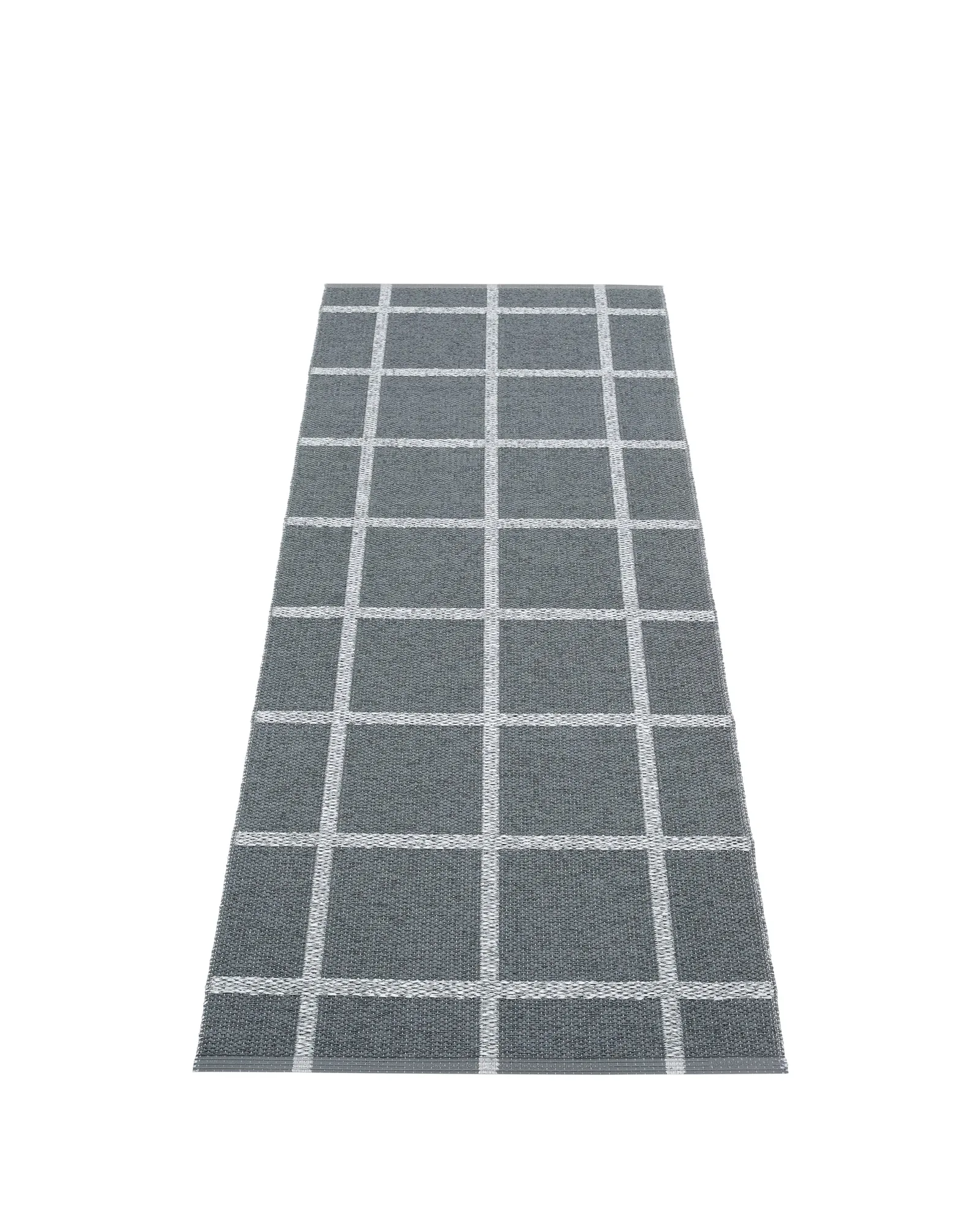
ADA Granit - Runner Rug
-
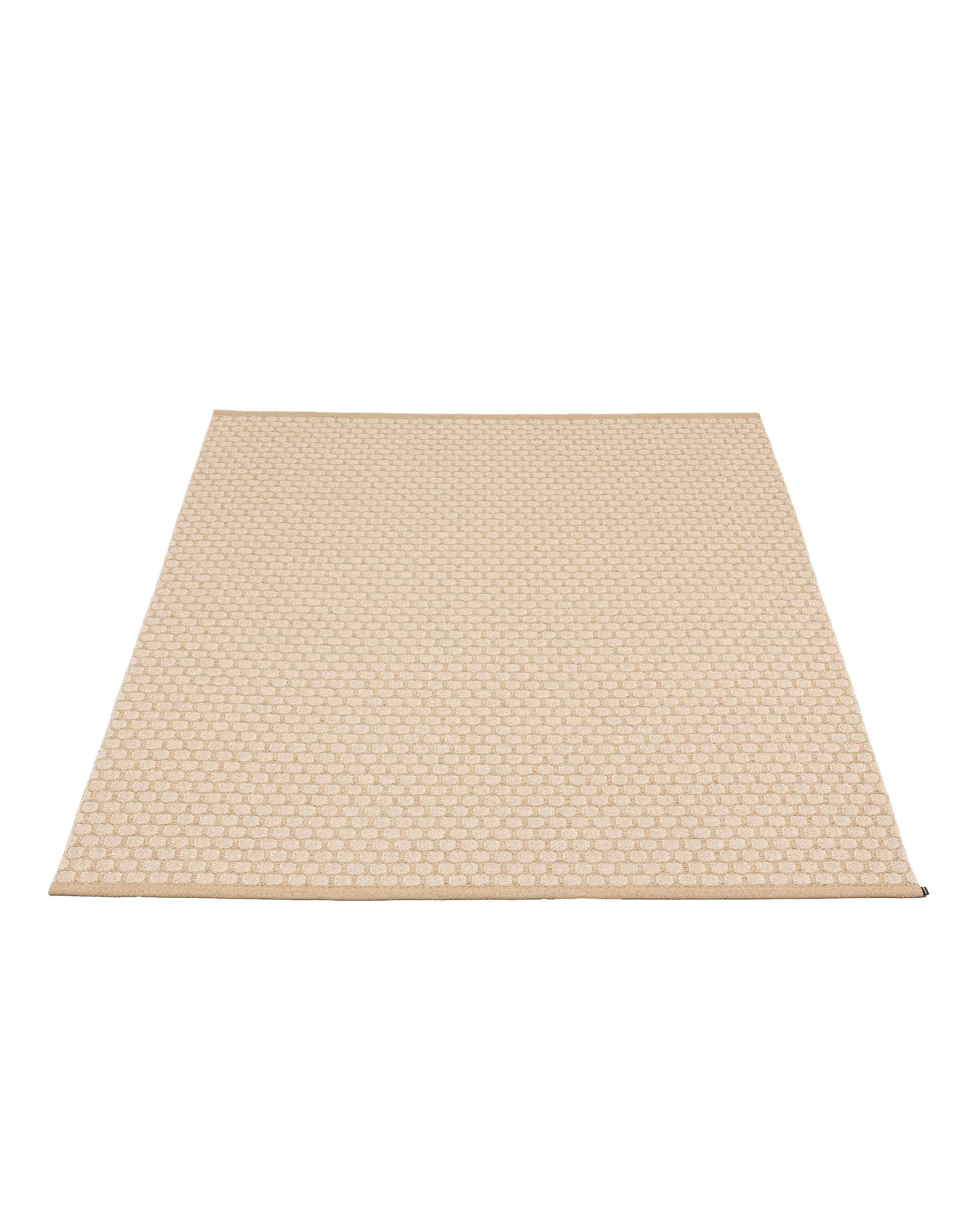
EFFI Apple - Runner Rug: EFFI Apple Runner Rug has a slightly softer weave for added comfort while retaining strength. If you prefer a gentler feel underfoot without sacrificing durability, this option offers a balanced alternative for kitchen areas where you stand frequently.
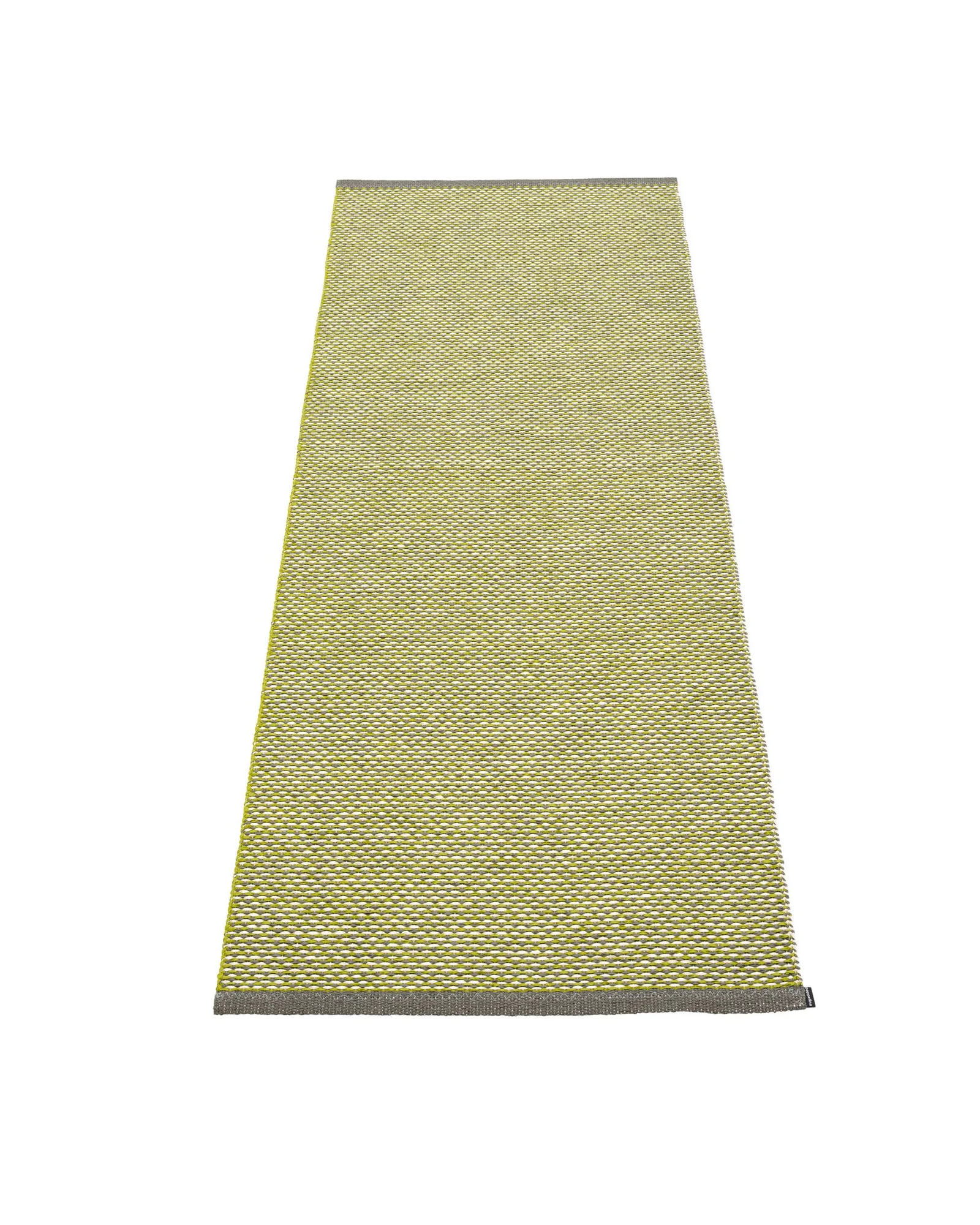
EFFI Apple - Runner Rug