A play couch is more than just a soft place to lounge—it's a versatile tool that can support your baby's development from the earliest months through the toddler years. Whether you're looking for ways to encourage tummy time, build motor skills, or spark imaginative play, a play couch offers endless possibilities. In this guide, we'll explore practical play couch activities and ideas that grow with your child.
We'll also touch on how to choose a play couch that fits your space and budget, and how to integrate it with other nursery essentials like the Figgy Play Couch or the Essential Waterproof Crib Pad. By the end, you'll have a toolkit of ideas to make the most of this flexible piece of play equipment.
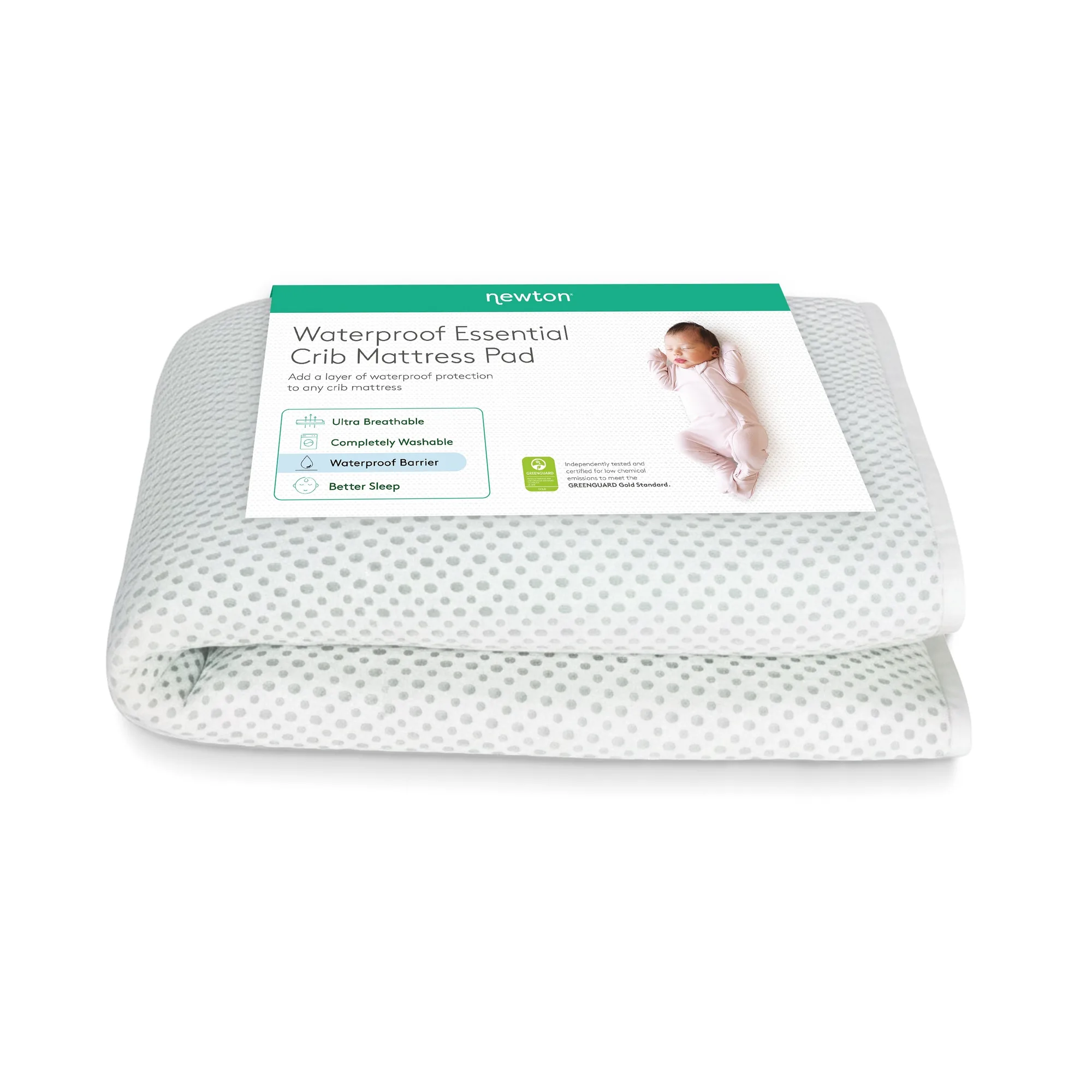
Essential Waterproof Crib Pad
Why a Play Couch is Great for Baby Development
A play couch is designed to be safe, soft, and supportive, making it an ideal surface for a range of developmental activities. For infants, it provides a comfortable area for tummy time, which strengthens neck, shoulder, and arm muscles—crucial for reaching milestones like rolling over and crawling. The gentle incline of the couch can also help babies practice sitting up with support.
As your child grows, the play couch becomes a springboard for active play. Toddlers can climb, jump, and build forts, which enhances gross motor skills, balance, and coordination. The modular pieces often allow for endless configurations, keeping the play experience fresh and engaging. Plus, it's a safe indoor alternative to outdoor playgrounds, especially on rainy days.
- Supports tummy time and sitting practice
- Encourages crawling, climbing, and balance
- Fosters imaginative play and problem-solving
Play Couch Activities for Tummy Time and Sensory Play
Tummy time is essential for your baby's development, and a play couch can make it more enjoyable. Place your baby on the couch on their tummy, with a favorite toy just out of reach to encourage reaching and grasping. The soft surface provides a gentle cushion, and you can adjust the incline by adding a wedge or using the couch's sloped pieces to vary the difficulty.
For sensory play, the play couch can be a stage for exploring different textures and materials. Lay your baby on a soft blanket or directly on the couch and let them feel the fabric. You can also place sensory toys, like crinkly books or textured balls, on the couch for them to discover. As your baby gets older, you can use the couch to create a sensory bin area, filling a section with safe, age-appropriate items like fabric scraps or soft blocks.
- Use a toy to motivate reaching during tummy time
- Incorporate different textures on the couch for sensory exploration
- Create a safe sensory bin area using the couch's modular pieces
Motor Skills and Active Play Ideas for Toddlers
Toddlers need plenty of opportunities to move and develop their gross motor skills. A play couch is perfect for this. Set up a simple obstacle course by arranging the pieces into a low tunnel, a small ramp, or a stepping-stone path. Encourage your toddler to crawl through, climb over, and jump off the couch, always supervising to ensure safety.
You can also use the play couch for games like 'Simon Says' or 'Follow the Leader,' where you incorporate movements like hopping, balancing on one foot, or rolling. The soft landing surface gives toddlers the confidence to try new physical challenges. For quieter play, the couch can become a cozy reading nook or a pretend stage for imaginative play, which also supports cognitive and social-emotional development.
- Build an indoor obstacle course with the couch pieces
- Play movement games that involve climbing and balancing
- Use the couch as a stage for pretend play and storytelling
How to Choose the Right Play Couch for Your Family
When selecting a play couch, consider the materials, size, and versatility. Look for a couch made from non-toxic, durable materials that are easy to clean—babies and toddlers can be messy. The Figgy Play Couch is a popular choice, as it's designed with high-quality foam and a removable, washable cover. Also, think about the space you have available and how the couch can be stored or reconfigured.
A play couch can also complement other nursery furniture. For example, if you have a bassinet or a crib, the play couch can be placed nearby for supervised playtime. Some parents find it helpful to have a waterproof mattress pad or extra covers on hand, like the Essential Waterproof Crib Pad, to protect the couch during messy play or potty-training accidents. This ensures the couch stays fresh and lasts longer.
- Choose a play couch with a washable cover for easy cleanup
- Consider the size and storage options for your space
- Pair with a waterproof pad or extra covers for protection
A play couch is a versatile investment that supports your baby's development from tummy time to toddler adventures. By incorporating these play couch activities into your routine, you'll provide endless opportunities for growth, learning, and fun. Remember to always supervise play and choose a couch that fits your family's needs. With a little creativity, your play couch will become a favorite spot in your home for years to come.