Quick Answer
Use a custom puzzle frame designed for jigsaw puzzles to turn your completed work into wall art. The process involves preparing the puzzle surface, securing it in the frame, and mounting it safely.
Why a Puzzle Frame Works Better Than a Standard Frame
Standard picture frames often require removing the puzzle from its backing or using a separate mat, which can cause pieces to shift. A puzzle frame is built with a channel that holds the entire puzzle securely, so you don't need glue or tape unless you want extra permanence.
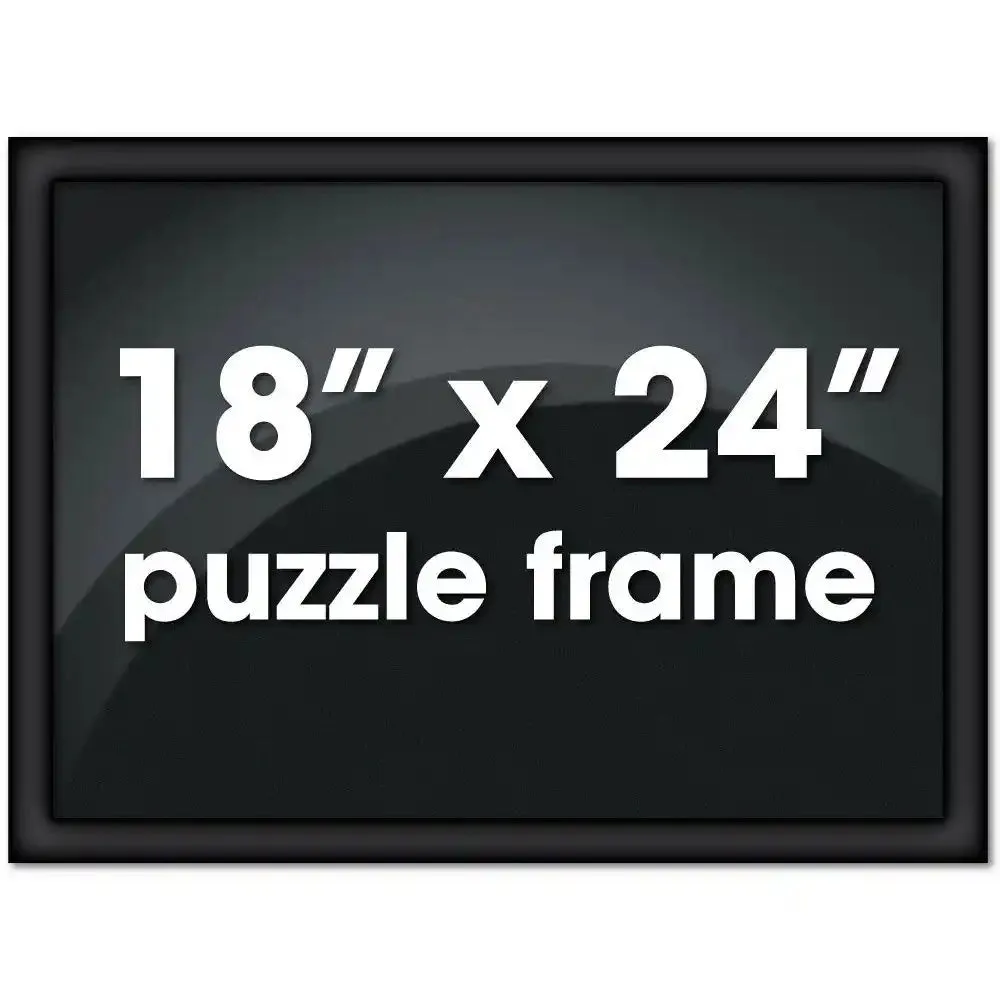
The Black Puzzle Frame from Bits and Pieces comes in popular sizes like 18" x 24" and 24" x 33", matching common puzzle dimensions. This eliminates guesswork and ensures a snug fit without trimming.
Trade-Off: Glue vs. No Glue
While a puzzle frame can hold the puzzle without adhesive, some framers prefer to apply a thin layer of puzzle glue on the back to prevent pieces from separating during handling. The trade-off is that gluing makes the puzzle permanent—you won't be able to take it apart later. If you plan to reuse pieces, skip the glue and rely on the frame's channel and backing board.
Steps to Frame Your Puzzle for Display
- Prepare the Puzzle Surface: Lay your completed puzzle on a flat, clean surface. Gently slide a piece of wax paper or parchment under the puzzle to create a non-stick layer. This makes it easier to lift the puzzle into the frame without pieces sticking to the table. Always use a smooth, non-stick layer underneath to prevent pieces from lifting or tearing.
- Assemble the Frame Backing: Remove the backing board from the puzzle frame. Place it on top of the puzzle, aligning the puzzle's edges with the board. Carefully flip the puzzle and board together so the puzzle rests face-down on the board. Flip the puzzle and board as one unit to avoid shifting pieces. If the puzzle is large, ask for a helper to keep it stable.
- Insert the Puzzle into the Frame Channel: Position the puzzle-and-board assembly into the frame's channel. The frame's lip should overlap the puzzle edges by about 1/8 inch to lock it in place. Press down gently to ensure all edges are seated. Check that no pieces are protruding above the frame lip; if they are, the puzzle may need slight adjustment or trimming of the backing board.
- Secure the Backing and Hardware: Attach the frame's backing tabs or clips (included with the Black Puzzle Frame) to lock the puzzle in place. If your frame uses screws, tighten them evenly to avoid warping. Then attach the wall-mounting hardware as directed. Tighten hardware just enough to hold—over-tightening can crack the frame or distort the puzzle.
- Mount the Displayed Puzzle on the Wall: Choose a wall location away from direct sunlight and moisture. Use a level to mark the hanging points, then install the screws or anchors. Hang the framed puzzle and adjust until level. For heavy or large puzzles, use wall anchors rated for at least 10 lbs to ensure the frame stays secure.
Product Spotlight
-
Black Puzzle Frame for Jigsaw Puzzles: The Black Puzzle Frame includes a metal channel frame with hardware to lock the puzzle securely in place for easy wall mounting. You don't need extra tools or adhesive; the frame itself holds the puzzle tight, making the process faster and cleaner.
Black Puzzle Frame for Jigsaw Puzzles