Setting a hot casserole or roasting pan directly onto your dining table can leave permanent burn marks, white heat rings, or even cracks in the finish. A trivet is the simple, effective solution that acts as a barrier between hot dishware and your tabletop. But not all trivets work the same way, and using one incorrectly can still lead to damage.
Whether you're hosting a dinner party or just serving weeknight meals, understanding how to use a trivet properly ensures your table stays in great condition. In this guide, we'll cover the basics of table protection from heat, the best materials for the job, and specific tips for felt trivet use and artisan trivet care.
Why You Need a Trivet for Hot Dish Safety
A trivet creates an insulating layer that absorbs and disperses heat so your table surface doesn't absorb it directly. Without one, even a moderately hot dish can damage wood finishes, soften lacquer, or cause discoloration on stone or glass tables. The risk is highest with cast iron, stoneware, and ceramic baking dishes because they retain heat longer.
For everyday use, a trivet also protects your table from condensation drips that can leave water marks. Using a trivet is an easy habit that extends the life of your table and keeps it looking new. It's especially important if you have a wooden dining table, which is more vulnerable to heat and moisture than metal or glass surfaces.
- Always place a trivet under any dish that comes straight from the oven, stovetop, or microwave.
- Choose a trivet that is at least as wide as the dish base to ensure full coverage.
Choosing the Right Trivet Material
Trivets come in several materials, each with different heat resistance and surface protection. Felt trivets are a popular choice because they are soft, non-slip, and won't scratch your table. The Artisan Felt Pom Pom Trivet is a great example — it combines heat protection with a decorative look, making it suitable for both serving and display. Felt is effective for moderate heat from serving dishes, but it's not designed for direct contact with extremely hot cookware like a 500°F skillet.
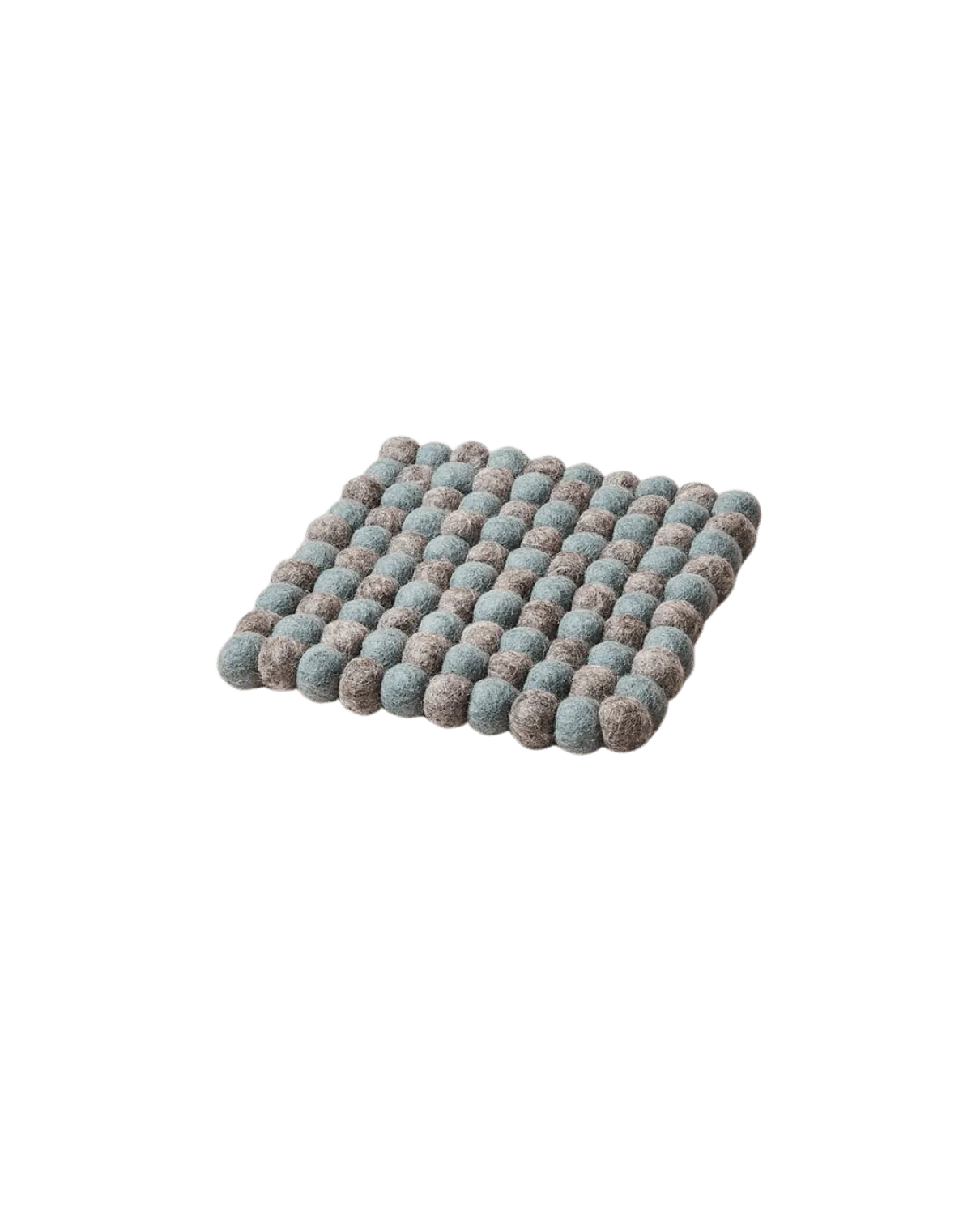
Artisan Felt Pom Pom Trivet
Silicone trivets offer higher heat tolerance (often up to 450°F) and are easy to clean, but they can be less stable on smooth tables. Cork trivets are lightweight and absorb moisture, but they may wear down over time. Metal trivets with a raised design allow airflow but can scratch surfaces if not used carefully. For most home cooks, a felt or silicone trivet provides the best balance of protection and convenience.
- For hot dish safety, check the temperature rating of your trivet before use.
- Felt trivets work well for casseroles, pie dishes, and serving bowls — not for direct-from-broiler cookware.
How to Use a Felt Trivet Properly
Felt trivet use is straightforward, but a few simple steps maximize protection. First, make sure the trivet is clean and dry — any trapped crumbs or moisture can transfer to your table. Place it on a flat, stable surface, then set your hot dish in the center. Avoid sliding the dish across the trivet, as this can cause the felt to bunch or shift.
If you're serving multiple dishes, use separate trivets for each to avoid overcrowding. The Artisan Felt Pom Pom Trivet is thick enough to handle most serving temperatures, but avoid placing it directly under a dish that's still bubbling from the oven. Let the dish rest for a minute or two on a cooling rack first. After use, let the trivet cool completely before storing it to prevent heat damage to the fibers.
- Never place a felt trivet in the oven or microwave — it is for tabletop use only.
- If your felt trivet gets stained, spot clean it with a damp cloth and mild soap, then air dry.
Artisan Trivet Care for Longevity
An artisan trivet like the Artisan Felt Pom Pom Trivet is both functional and decorative, so proper care keeps it looking good. Felt is made from compressed wool fibers, so it's naturally stain-resistant but not waterproof. Wipe spills immediately with a dry cloth to prevent liquid from soaking in. For deeper cleaning, use a soft brush to remove dust and debris from the pom poms.
Store your trivet flat or hung in a dry area. Avoid folding or crushing it, as this can create permanent creases. Keep it away from direct sunlight for long periods, which can fade the color. With basic care, a quality felt trivet can last for years while providing reliable table protection from heat.
- Rotate between two or three trivets if you frequently serve multiple hot dishes at once.
- If the felt begins to pill, gently trim the pills with small scissors to restore the surface.
Using a trivet is one of the easiest ways to protect your table from heat damage while adding a touch of style to your serving routine. Whether you choose a felt, silicone, or cork design, the key is to match the trivet's heat tolerance to your cookware and to use it consistently. With the right approach, you can serve hot dishes confidently and keep your table looking beautiful for years.