Why a Yoga Brick Helps You Stretch Deeper
A yoga brick, also called a yoga block, is a simple prop that can transform your practice. By bringing the floor closer to you, it allows you to stretch farther into poses you might otherwise avoid. This is especially useful for tight hamstrings, hips, or shoulders. The key is using the brick to support your body so you can relax into the stretch rather than fighting against gravity.
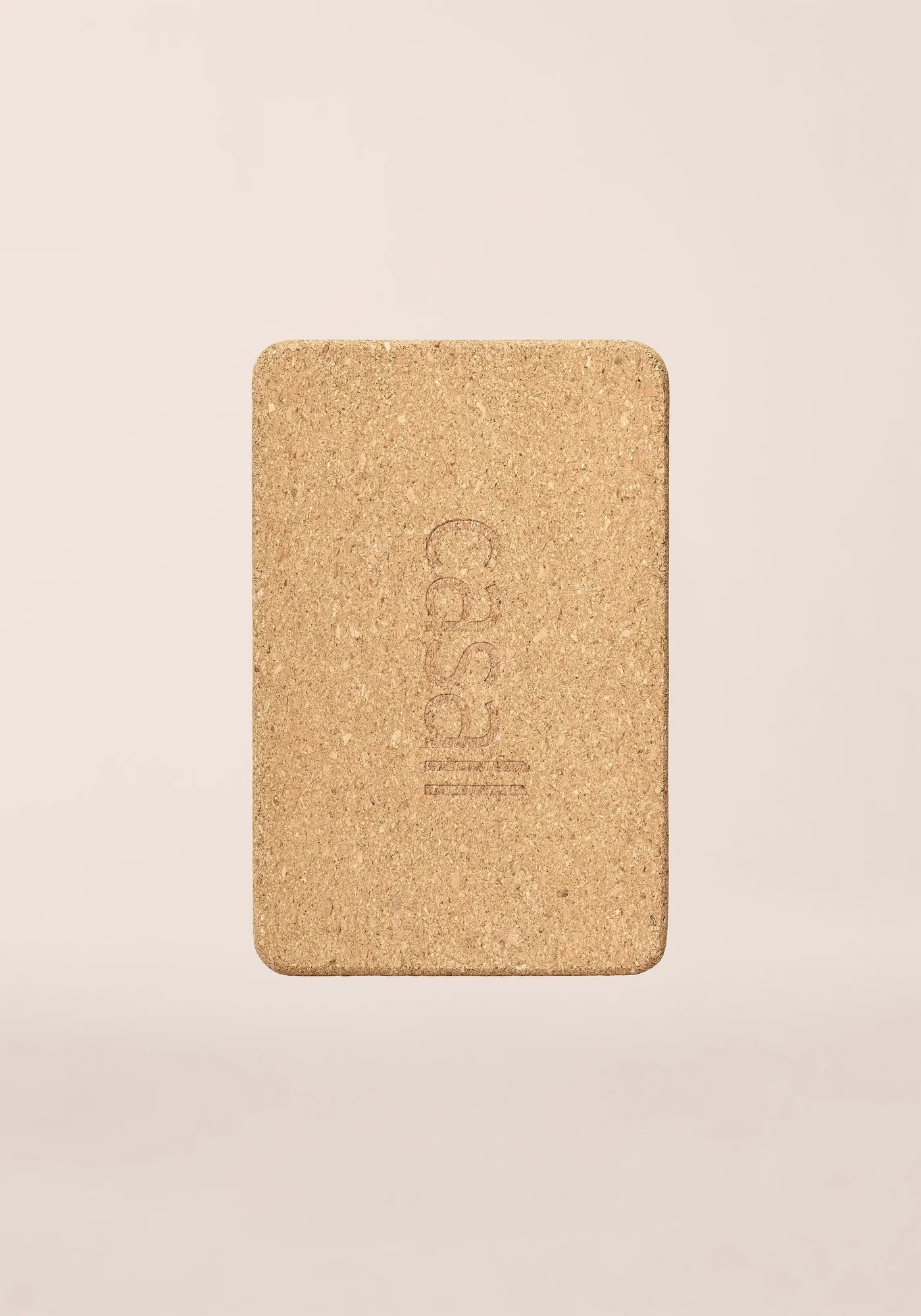
Unlike foam or wooden blocks, a cork yoga block offers a unique combination of firmness and slight cushion. It absorbs sweat, so it stays grippy even during a hot practice, and it won't lose its shape over time. This makes it a reliable tool for consistent stretching.
The Cork Yoga Block at a Glance
-
Yoga Brick: Cork Yoga Block: Our yoga block help you stretch deeper, reach further and stay longer in Asanas that are hard to achieve at this moment. This confirms the brick is designed exactly for the goal of deeper stretching, not just as a seat or wedge.
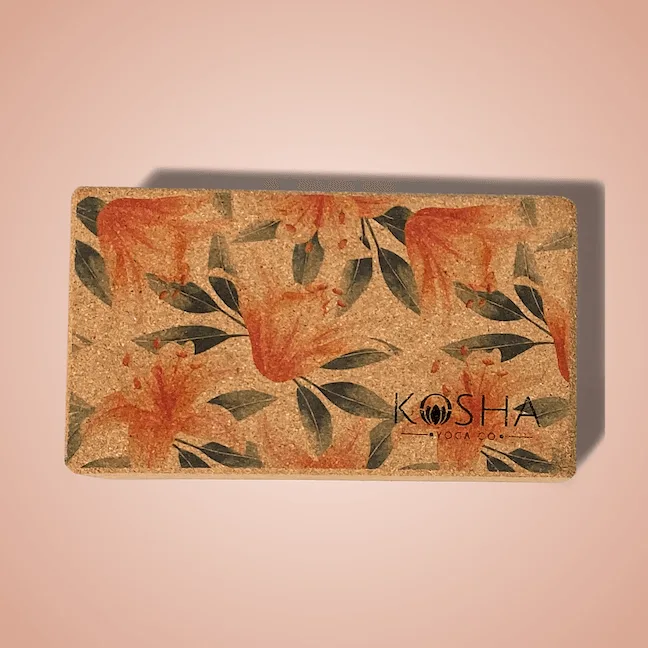
Yoga Brick: Cork Yoga Block
-
Yoga Brick: Cork Yoga Block: Unlike foam or wooden block, they absorb sweat, and help guide you through even the sweatiest practice. Sweat can make foam blocks slippery; cork's absorbency provides a more stable grip during intense stretching.
-
Yoga Brick: Cork Yoga Block: They don’t lose shape unlike soft, unstable foam blocks, while still providing cushioned support, unlike uncomfortable wooden blocks. A brick that keeps its shape ensures consistent support over time, so your stretches remain predictable.
How to Use a Yoga Brick for Deeper Stretches
These steps focus on three common tight areas. Adjust the brick height (flat, tall, or on its side) based on your flexibility.
- Hamstring stretch (standing forward fold): Place the brick under your hands, either flat on the floor or on its tallest side. As you fold forward, press your hands into the brick to lengthen your spine. The brick raises the floor so you don't have to round your back to reach it.
- Hip opener (pigeon pose variation): Sit on the brick at its lowest height (flat side down) to elevate your hips. This reduces the stretch on your front hip and allows you to stay longer, gradually increasing depth over time.
- Chest and shoulder stretch (supported fish pose): Place the brick on its tallest side under your upper back, between your shoulder blades. Lie back over it, letting your arms relax overhead. The brick opens your chest without straining your neck.
Choosing the Right Brick for Your Stretching Goals
The cork yoga block comes in several styles—Classic, Garden, Savannah, Semi Circle, and Tropics—and in single or set-of-two quantities. If you plan to use two bricks for symmetrical stretches (like in a supported bridge or restorative twist), the set-of-two option is practical. For most stretching routines, a single brick is enough to start.
Cork is heavier than foam, so if you travel with your brick, be prepared for the extra weight. The trade-off is durability and eco-friendliness: cork is biodegradable and made from renewable bark, so when you're done with it, it returns to the planet.
What the Product Record Does Not Settle
The supplied information does not specify exact dimensions or weight for each style, nor does it include care instructions beyond biodegradability. If you need precise measurements for storage or travel, check the product page or contact the store. For stretching purposes, the key difference between styles is aesthetic, not functional—all variants provide the same cork support.