What a Yoga Wedge Does for Your Practice
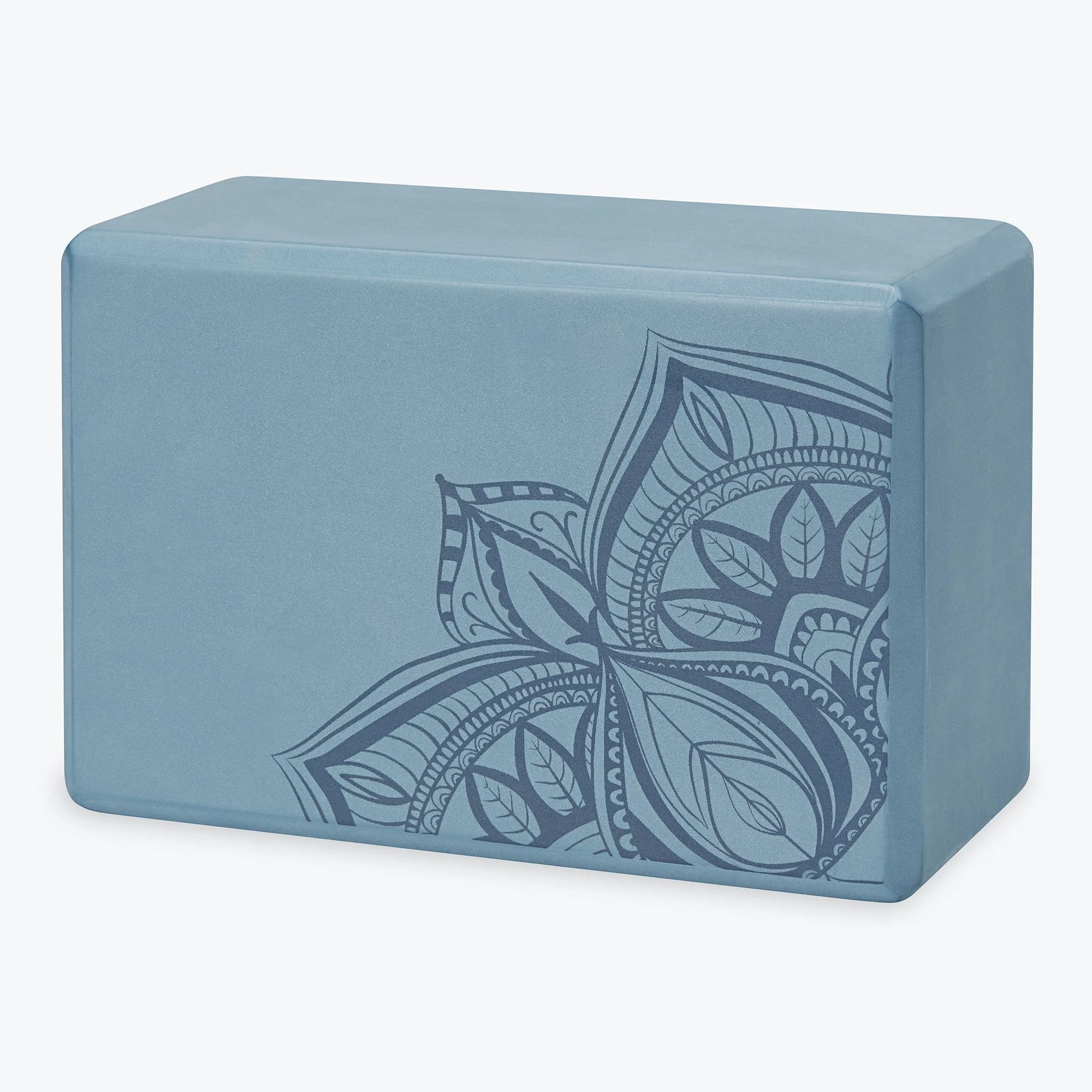
A yoga wedge is a simple prop that changes the angle at which your hands, feet, or pelvis contact the ground. By softening those angles, it reduces strain on your joints and helps you feel more grounded and supported in poses. The Gaiam Yoga Wedge is made from lightweight EVA foam and is sized to fit under hands, feet, or hips. For exact dimensions, follow the product instructions.
What the Yoga Wedge Provides
-
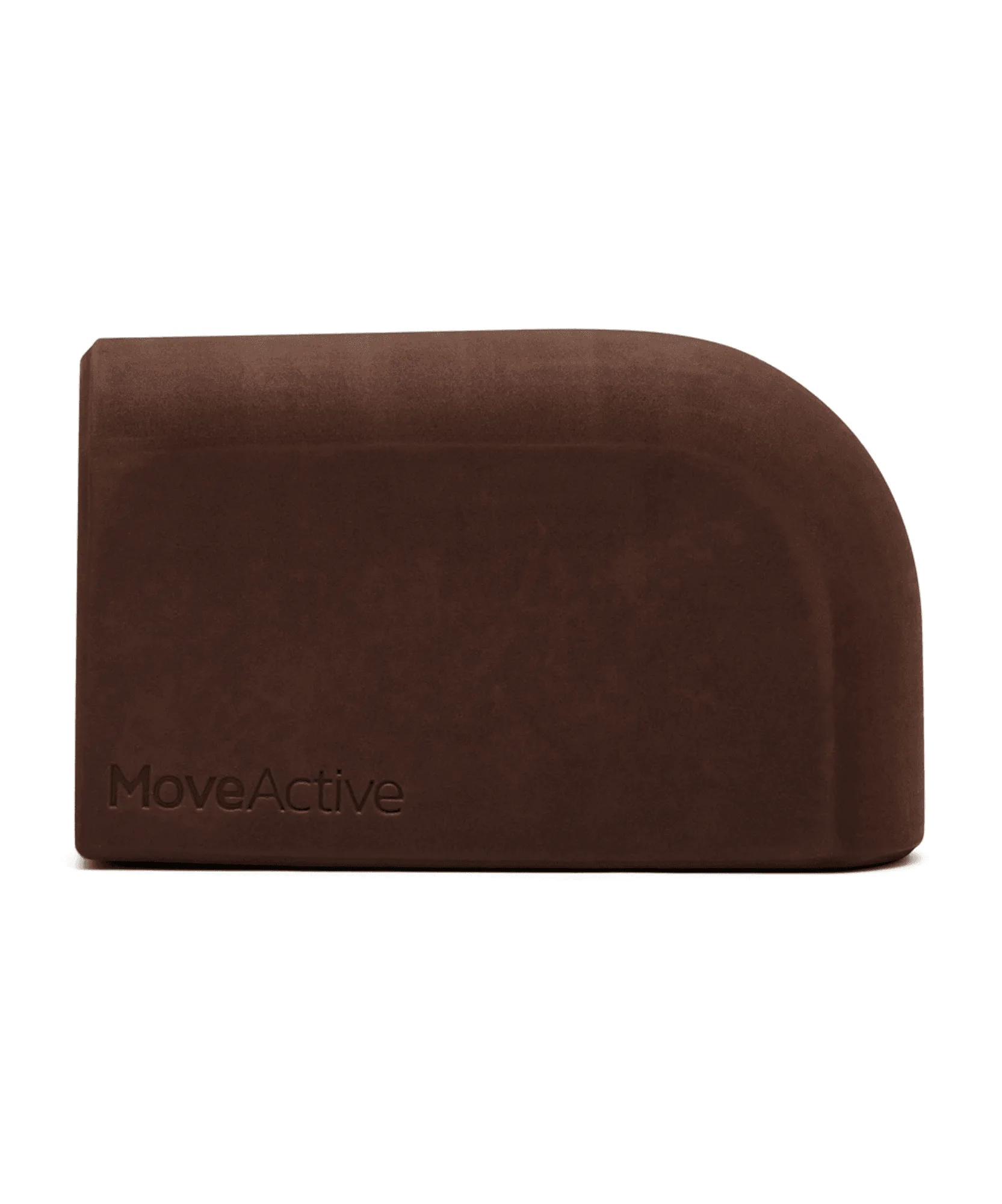
Yoga Wedge: The wedge slightly modifies the angle at which your hands, feet or pelvis contact the ground, supporting your joints. This small angle change can make a big difference in comfort, especially during weight-bearing poses like Downward-Facing Dog.

Yoga Wedge
-
Yoga Wedge: Softening these angles increases comfort and stability, especially in sitting and squatting poses and Downward Facing Dog. If you have tight hamstrings, a stiff lower back, or sensitive wrists, the wedge helps you hold poses longer with less discomfort.
-
Yoga Wedge: Made from EVA foam, this wedge is ideal for yogis with sensitive wrists or tight lower backs and hamstrings. EVA foam is firm enough to provide support but soft enough to feel comfortable against your body.
Common Ways to Use a Yoga Wedge
- Under your hands in Downward-Facing Dog: Place the wedge on the mat with the thick end toward your fingers. Your palms rest on the sloped surface, reducing the angle at your wrists. This takes pressure off the wrist joint while still allowing you to press firmly into the mat.
- Under your pelvis in seated forward folds: Sit on the wedge with the thick end toward your tailbone. This tilts your pelvis slightly forward, making it easier to keep your spine long and reach toward your feet without rounding your lower back.
- Under your heels in squats or Hero's Pose: Place the wedge under your heels so they are slightly elevated. This reduces the ankle angle and helps you keep your feet flat, which can make deep squats more accessible.
- Under one hand in side-angle or triangle poses: If your hand doesn't reach the floor comfortably, place the wedge under your bottom hand. The slope supports your palm and keeps the wrist in a neutral position.
Tips for Getting Started
Start with the wedge under one body part at a time so you can feel the difference. For wrist sensitivity, try it under your hands first. For tight hamstrings or lower back, sit on it. The wedge is lightweight and easy to move between poses, so experiment during a few familiar sequences before adding it to a full practice.
To keep the wedge clean, spot clean with mild detergent and towel or air dry. Store it flat or upright — the foam holds its shape well.