Quick Answer
Activity cards are a simple, visual way to give your toddler choices and structure. Start by picking a few cards that match their current skills, then let them choose one or two each day. This turns playtime into a flexible routine that supports development and reduces power struggles.
Toddlers thrive on routine, but rigid schedules can backfire. Activity cards offer a middle ground: they give your child a sense of control while you gently guide their play. Instead of hearing 'What do you want to do?' (which often leads to overwhelm), you offer a small set of choices and let your toddler lead.
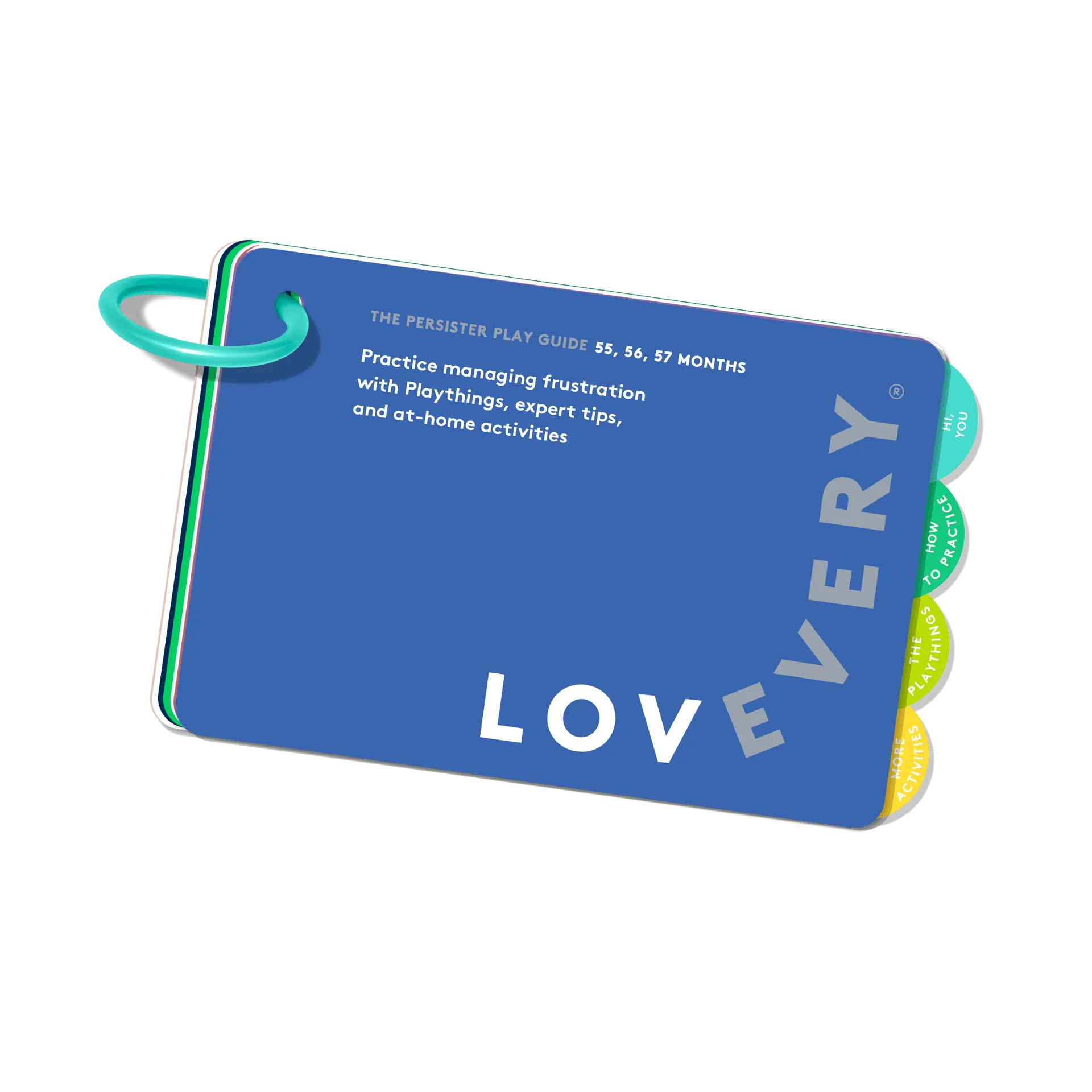
Lovevery activity cards, like those found in the https://loveveryshop.com/products/play-guide-for-months-25-26-27-59145https://loveveryshop.com/products/play-guide-59405https://loveveryshop.com/products/play-guide-59580https://loveveryshop.com/products/play-guide-59590Play Guide for Months 25, 26, 27, are designed to support your toddler's development at specific ages. They come with expert tips and activity ideas that are simple to set up at home. Here’s how to use them to build a flexible play routine.
Start with a Small, Curated Deck
Pull out 5–7 activity cards that match your toddler's current interests and developmental stage. For example, if your child is 25–27 months old, the Play Guide for Months 25, 26, 27 includes activities that build language, fine motor skills, and problem-solving. Keep the rest stored away so your toddler isn't overwhelmed.
Rotate the deck weekly to keep things fresh. Observe which cards your child returns to again and again, and which ones they ignore. Use that feedback to adjust the next week's selection. This keeps the routine flexible and responsive to your child's growth.
- Tip: Store cards in a small basket or on a low shelf so your toddler can see and reach them easily.
Let Your Toddler Choose (Within Limits)
Each day, lay out two or three cards and let your toddler pick one. This gives them a sense of autonomy without the overwhelm of an open-ended question. For example, you might say, 'Do you want to do the animal sounds activity or the block tower activity?'
If your toddler resists the choice, don't force it. Instead, gently suggest one card and start setting it up. Often, seeing the materials appear will spark curiosity. The goal is to make play feel like a collaboration, not a command.
- Checkpoint: If your toddler consistently refuses a card, retire it for a few weeks and try again later.
Build a Simple Routine Around the Cards
Use the cards as a anchor for a predictable daily rhythm. For example, after lunch, you might say, 'It's playtime – let's pick a card.' Then, after the activity, you can transition to another part of your day. This helps your toddler know what to expect and reduces meltdowns.
You don't need to do a card every day. Some days, free play is more appropriate. The cards are a tool, not a requirement. The key is to use them consistently enough that your toddler starts to anticipate and look forward to the routine.
- Tip: Pair the routine with a simple song or phrase to signal the start of playtime.
Extend the Activity to Keep Engagement High
When your toddler finishes a card activity, look for ways to extend it. For example, if the card suggests sorting objects by color, you can introduce new items from around the house. This keeps the activity fresh and builds on the learning.
Lovevery's Play Kits and Skill Sets often include materials that can be combined with activity cards. For instance, the Explore on the Floor Mini Kit for babies uses sensory play that can be adapted for older toddlers. However, you don't need extra products – everyday items like socks, spoons, or blocks work just as well.
- Checkpoint: If your toddler loses interest quickly, it might be time to move on – don't force the activity.
5 Steps to a Flexible Play Routine with Activity Cards
- Step 1: Choose Your Cards: Select 5–7 activity cards that match your toddler's current skills and interests. Rotate them weekly to keep things fresh. Checkpoint: Are the cards age-appropriate? If not, adjust.
- Step 2: Set Up a Choice Board: Display two or three cards each day and let your toddler pick one. This gives them autonomy and reduces power struggles. Checkpoint: If your toddler seems overwhelmed, reduce the number of choices.
- Step 3: Create a Consistent Time: Anchor the card activity to a regular part of your day, such as after lunch or before nap. Consistency helps toddlers feel secure. Checkpoint: If the routine isn't sticking, try a different time of day.
- Step 4: Follow Your Toddler's Lead: If your toddler wants to do the same card every day, that's okay. Repetition is how toddlers learn. If they lose interest mid-activity, don't force it. Checkpoint: Observe what your child enjoys and adjust the deck accordingly.
- Step 5: Extend and Connect: Use the activity as a springboard for related play. For example, if the card involves animals, visit a farm or read a book about animals. Checkpoint: The goal is connection, not completion.
Lovevery Products That Support Activity Card Play
- Play Guide for Months 25, 26, 27: This Play Guide for Months 25, 26, and 27 offers simple ways to play, expert tips, development information, and at-home activity ideas tailored for your toddler's growth during this stage. It's a ready-made source of activity ideas that match your toddler's developmental stage, so you don't have to invent activities from scratch.
- Reading Skill Set Part 1: Sounds to Reading: The Reading Skill Set Part 1: Sounds to Reading from Lovevery is designed to support early literacy development. This play-based skill set helps children build foundational reading skills through engaging, hands-on activities. If your toddler is showing interest in letters and sounds, this set provides structured activities that can be integrated into your play routine, supporting early literacy.
Activity cards are a powerful tool for creating a flexible play routine that respects your toddler's need for control and your desire for structure. By starting small, letting your child choose, and staying responsive, you can turn playtime into a joyful part of your day. Remember, the best routine is one that works for your family – so adapt these steps to fit your life.