Why Ayurvedic Shanti Tea for Relaxation?
When stress builds up, a warm cup of tea can be a simple way to reset. Ayurvedic Shanti tea is designed with this in mind. The word "Shanti" means peace within, and this loose leaf blend combines ingredients like tulsi (holy basil), lemongrass, lavender, and fennel to support a sense of calm. Whether you're new to Ayurvedic teas or looking for a go-to evening ritual, this guide explains how to prepare and enjoy it for relaxation.
Ayurvedic Shanti Tea at a Glance
-
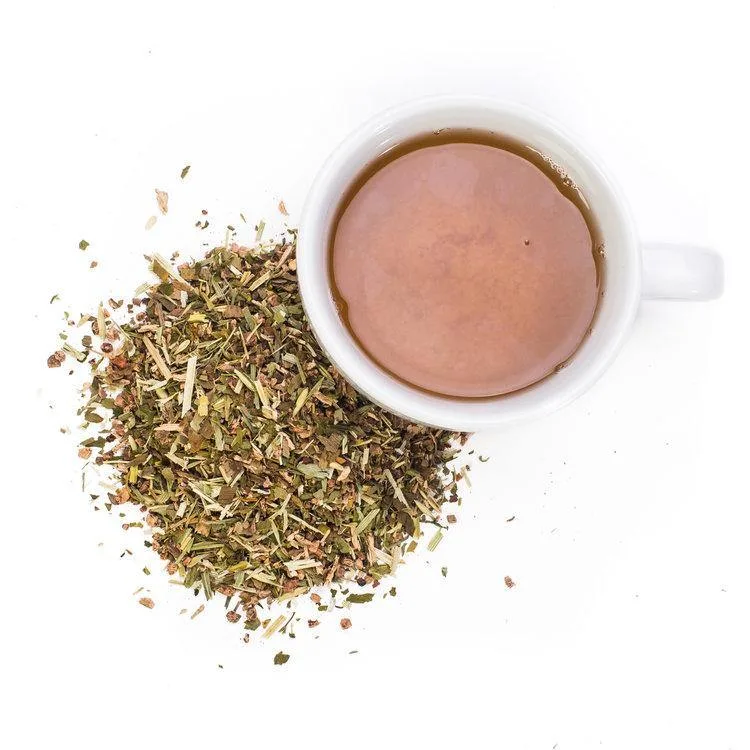
Ayurvedic shanti tea: Ingredients include tulsi, fennel seed, licorice root, star anise, orange peel, peppermint leaves, lemongrass, lemon peel, brahmi, ashwagandha, lavender, and rose petals. The blend features herbs traditionally used in Ayurveda to support stress relief and mental balance, making it a thoughtful choice for relaxation.
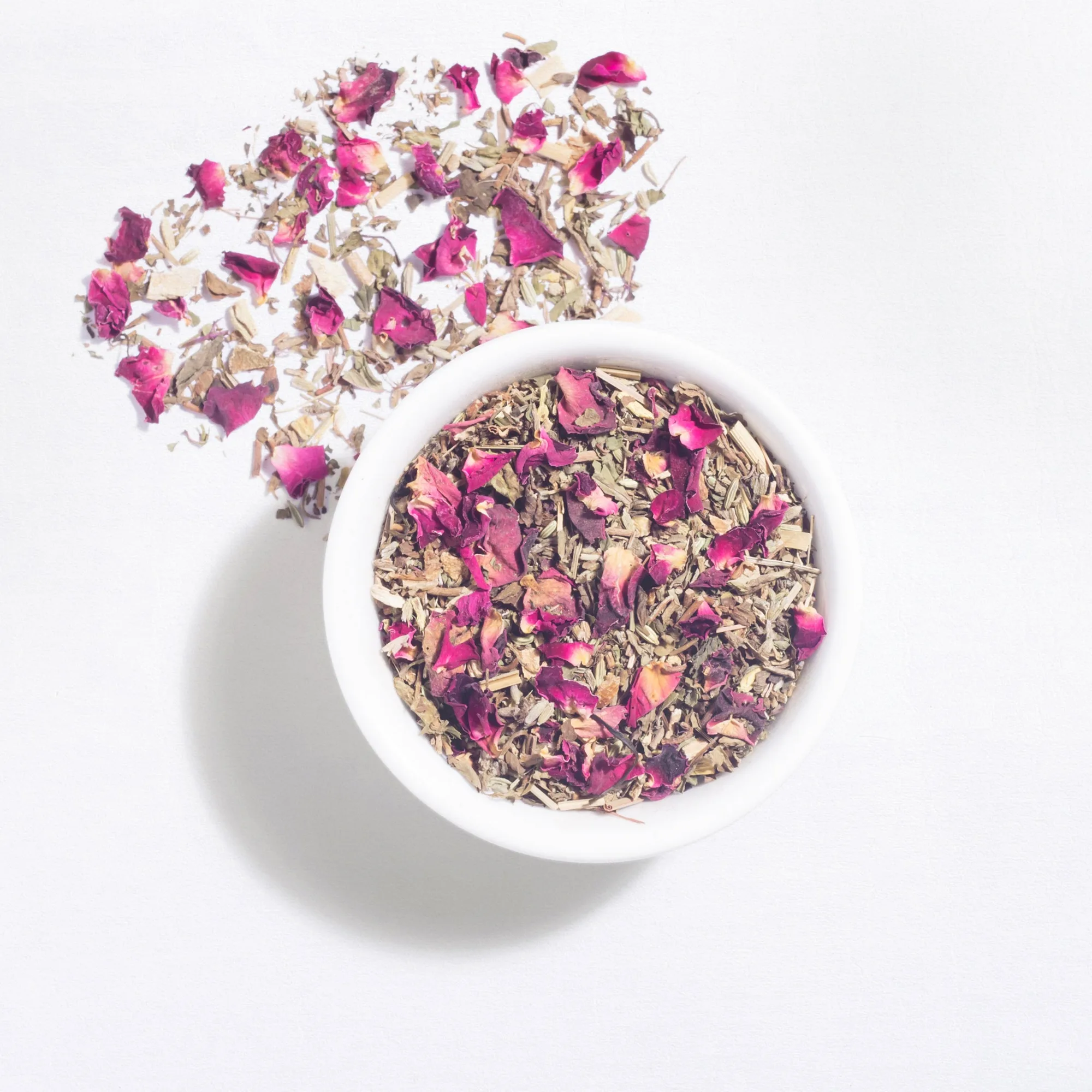
Ayurvedic shanti tea
-
Ayurvedic shanti tea: Tasting notes: earthy, woody, citrusy, sweet, floral. The complex flavor profile makes it enjoyable to sip slowly, which can enhance the calming effect of the ritual.
-
Ayurvedic shanti tea: Available in 100g and 200g options. Choose the size that fits how often you plan to brew it for relaxation.
How to Brew Ayurvedic Shanti Tea
Follow these steps to prepare a cup that supports calm. The brewing method is simple and works with a teapot, infuser, or cup.
- Measure the tea leaves: Use 1 teaspoon of Ayurvedic Shanti tea leaves per cup. The loose leaf blend gives you control over strength.
- Heat the water: Add water to your pot or cup and bring it to a gentle heat. Avoid boiling the water directly over the tea leaves — the instructions note to 'add water to the bot and bring to a heat (do not boil).'
- Steep for 5 minutes: Let the leaves steep for 5 minutes. This allows the herbs to release their flavor and calming properties.
- Strain and serve: Pour the tea through a strainer into your cup. The blend is best enjoyed without milk to keep the delicate herbal notes clear.
Tips for a Calming Tea Ritual
To get the most out of Ayurvedic Shanti tea for relaxation, consider these simple practices:
Brew it in the evening or during a quiet moment when you can sit without distractions. The floral and citrus notes make it a pleasant wind-down drink.
Pair it with deep breathing or a few minutes of silence. The act of preparing tea can itself be a mindfulness exercise.
Store the loose leaves in an airtight container away from light and moisture. This preserves the freshness of the herbs and ensures each cup tastes as intended.