Quick answer
Introduce a baby comforter for sleep by offering it during calm, awake moments first so your baby builds a positive association. Once that bond forms, include the comforter in a consistent bedtime routine. Always follow safe sleep guidance: for babies under 12 months, keep the comforter out of the crib during sleep and use it only under direct supervision.
A baby comforter can become a powerful cue that signals wind-down time, but only if you introduce it thoughtfully and pair it with a predictable routine. The goal is not to force attachment overnight—it is to let your baby gradually connect the comforter with feeling calm, safe, and sleepy.
This guide walks you through a practical, step-by-step process for using a comforter plush toy as a baby sleep aid. You will also learn how to choose a safe sleep comforter, what to avoid, and how to adjust the approach as your baby grows.
Why a comforter works as a baby sleep aid
Babies thrive on familiarity. A comforter plush toy becomes a sleep aid because it is consistent—same texture, same smell, same presence at every nap and bedtime. Over time, that consistency helps your baby shift from active play to a calmer state without needing you to do all the soothing.
The key is association. If the comforter only appears at sleep time, it quickly becomes a signal that sleep is coming. If it is around all day, it loses some of that power. Think of it as a gentle ritual object rather than a toy.
- Use the comforter during calm activities like feeding or storytime before sleep.
- Keep the comforter in the sleep space between uses so it carries that familiar scent.
Step 1: Choose a safe sleep comforter
Not every plush toy is suitable as a comforter for sleep. Look for one that is small enough for little hands to hold, made from soft materials, and free from loose parts like plastic eyes or ribbons that could detach. A comforter should be simple, sturdy, and easy to wash.
For babies under 12 months, the American Academy of Pediatrics recommends keeping soft objects out of the crib during sleep to reduce the risk of suffocation. That means the comforter is used during supervised awake time and as part of the bedtime routine, but not left in the crib overnight until your baby is older. Always check with your pediatrician about what is safe for your child.
- Check for small parts that could come loose—stitching should be tight.
- Choose a size that is easy to hold but not so large it covers the face.
Step 2: Introduce the comforter during calm, awake moments
Before the comforter can help with sleep, your baby needs to like it. Start by offering it during quiet, happy moments—after a feed, during cuddle time, or while you read a book. Let your baby explore the texture and hold it without any pressure to sleep.
If your baby ignores it at first, that is normal. Keep the comforter nearby during these calm moments so it becomes a familiar part of the day. You can also sleep with the comforter yourself for a night or two so it picks up your scent, which can be reassuring.
- Never force the comforter into your baby's hands—let them reach for it.
- If your baby has a favorite stuffed animal already, use that as the comforter instead.
Step 3: Build a consistent bedtime routine around the comforter
A comforter works best when it is one part of a predictable routine. For example: bath, feed, story, comforter cuddle, song, then into the crib. The order matters less than doing the same steps in the same sequence each night. The comforter becomes the bridge between awake time and sleep.
During the routine, hold the comforter with your baby rather than handing it over and leaving. This helps your baby associate the comforter with your presence and comfort, not with separation.
- Keep the routine short—20 to 30 minutes is plenty.
- Use the comforter during the last calm step before putting your baby down.
Step 4: Use the comforter for night wakings
When your baby wakes at night, offer the comforter as part of your soothing approach. If your baby is under 12 months, you will still need to remove it before leaving the crib. For older babies and toddlers, the comforter can stay in the crib as a familiar object that helps them settle back to sleep.
Avoid introducing new sleep props at the same time. If you are also sleep training or night weaning, keep the comforter as the one consistent comfort object so your baby does not get overwhelmed by too many changes.
- For night wakings, hand the comforter to your baby before you pick them up.
- If your baby is upset, hold them and the comforter together until they calm.
Step 5: Keep the comforter clean and replace it if needed
A comforter gets chewed, dragged, and drooled on, so it needs regular washing. Check the care label and wash it according to the instructions—most plush comforters can go in a pillowcase on a gentle cycle. Having a backup comforter is wise in case one is lost or in the wash.
If the comforter becomes worn, check for tears or loose stuffing. A damaged comforter is not safe for unsupervised use. Replace it with the same model if possible so the familiarity carries over.
- Wash the comforter weekly, or more often if your baby is teething.
- Rotate two identical comforters so one is always available.
Your step-by-step comforter plan
- Pick the right comforter: Choose a small, soft, well-stitched plush toy with no detachable parts. For babies under 12 months, plan to use it only during supervised awake time and the bedtime routine, not in the crib overnight. Checkpoint: Can your baby hold it easily without it covering their face?
- Build a positive association: Offer the comforter during calm, happy moments—after feeds, during cuddles, or while reading. Let your baby explore it at their own pace. Sleeping with it yourself for a night can add your scent. Checkpoint: Does your baby reach for the comforter or smile when they see it?
- Make it part of the routine: Use the comforter during the last calm step before sleep—a story, a song, or a cuddle. Keep the routine consistent so the comforter becomes a reliable sleep cue. Checkpoint: Is the comforter present at every nap and bedtime, not just some?
- Use it for night wakings: When your baby wakes, offer the comforter as part of your soothing. For babies under 12 months, remove it before leaving the crib. For older babies, it can stay as a comfort object. Checkpoint: Does your baby settle faster with the comforter than without it?
- Keep it clean and safe: Wash the comforter regularly according to its care label. Inspect it for tears or loose parts. Keep a backup comforter so one is always available. Checkpoint: Is the comforter free from damage and fresh-smelling?
Comforter-friendly picks from OB Designs USA
- Little Dream Bunny Soft Toy 10" / 25cm: Part of the Big Hugs Plush collection, designed by OB in Australia, with premium ultra-soft materials and independently safety tested. At 25cm, it is small enough for little hands to hold and easy to keep as a dedicated sleep comforter. The soft materials make it gentle against the skin.
- Little Ollie Octopus Gold Soft Toy 8.5" / 22cm: A Big Hugs Plush toy with premium ultra-soft materials, independently safety tested, and designed in Australia. Its compact 22cm size makes it a good choice for babies who prefer a lighter comforter. The soft fabric is soothing to touch during wind-down.
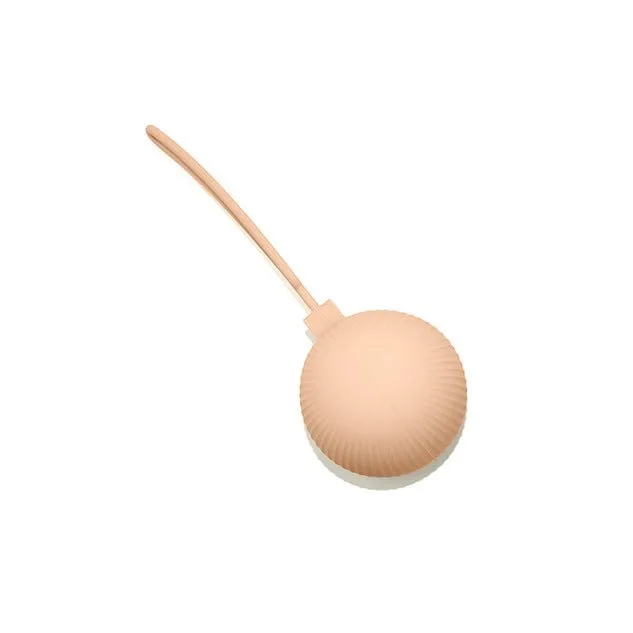
- Peach Eco-Friendly Pacifier Holder: Made from 100% food-grade silicone, BPA and phthalate free, and independently safety tested. If your baby uses a pacifier as part of their sleep routine, this holder keeps it clean and within reach. The food-grade silicone is safe for teething babies who chew on it.
A baby comforter for sleep is not a magic switch—it is a gentle tool that works when you introduce it calmly, use it consistently, and follow safe sleep guidance. Start with supervised awake time, build the association, and let the comforter become part of your baby's sleep routine. With patience, it can become a familiar friend that helps your little one settle more easily.