Quick answer
Use bariatric protein powder as a meal replacement or supplement to meet your protein goals, support muscle health, and manage weight effectively after surgery.
Why protein matters after bariatric surgery
After bariatric surgery, your stomach capacity is reduced, making it hard to get enough protein from food alone. Protein helps preserve muscle mass, supports recovery, and keeps you full longer, which aids weight management. A bariatric protein powder provides a concentrated, easy-to-digest source of protein that fits your new eating limits.
Choosing the right bariatric protein powder
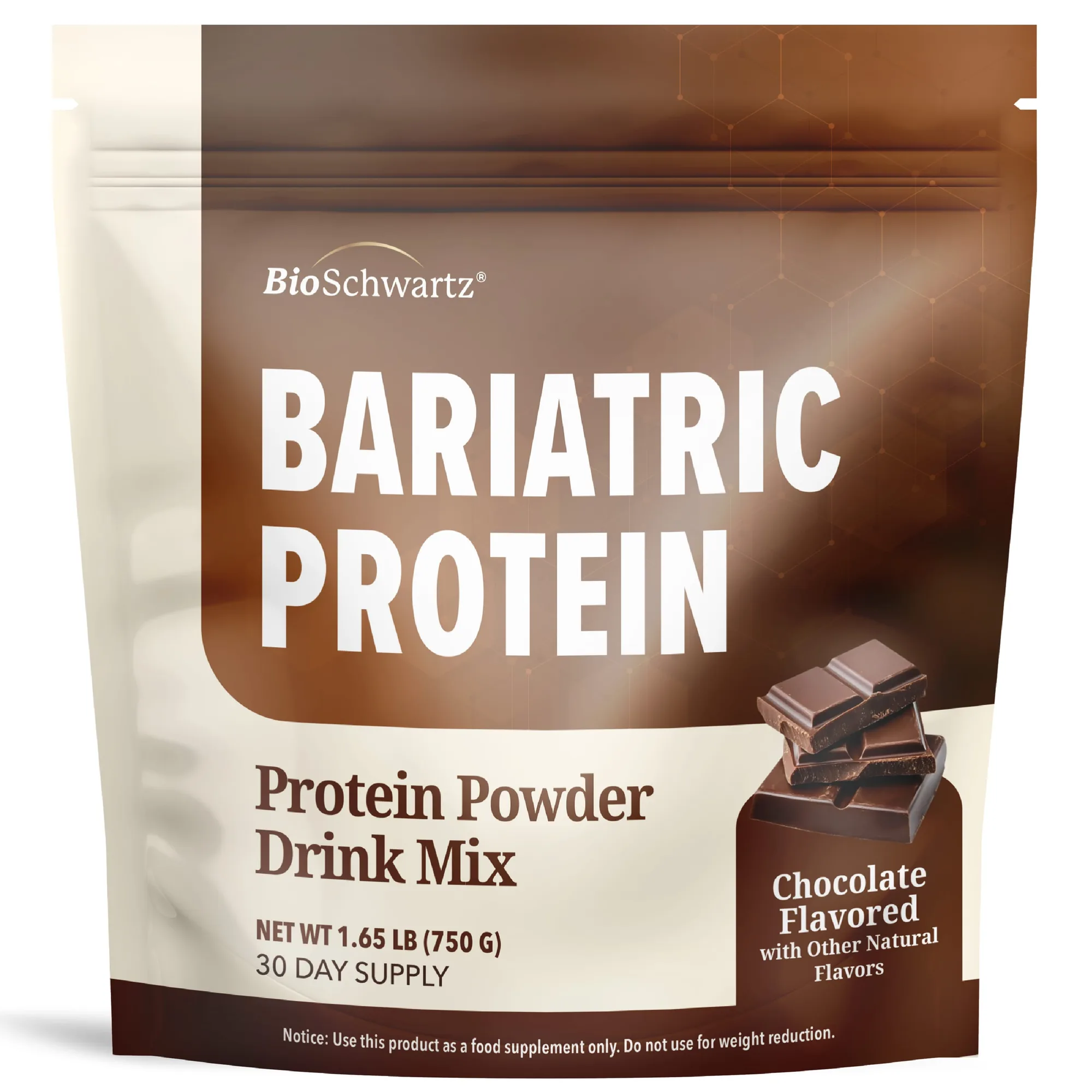
Not all protein powders are suitable after bariatric surgery. Look for a product that is low in sugar, high in protein per serving, and made with clean ingredients. Organic brown rice protein, like the one in BioSchwartz Bariatric Protein, is a good option because it is gentle on the stomach and provides essential amino acids. The chocolate flavor makes it palatable and easy to mix into shakes or recipes.
How to use bariatric protein powder for weight management
- Calculate your protein target: Consult your surgeon or dietitian to determine your daily protein goal, typically 60-80 grams per day. Divide this into 3-4 servings of protein powder or meals. Common mistake: relying on just one large shake. Spread protein intake throughout the day for better absorption.
- Mix your shake correctly: Combine one scoop of bariatric protein powder with 8-12 ounces of water, milk, or a non-dairy alternative. Shake or blend until smooth. Start with a smaller amount of liquid if you prefer a thicker consistency. Checkpoint: avoid using hot liquids, as they can clump the powder. Use cold or room-temperature liquids instead.
- Time your shake strategically: Drink your protein shake 30 minutes after a meal or as a meal replacement. This prevents overfilling your stomach and helps control hunger between meals. Common mistake: drinking a shake right before a meal, which can reduce your appetite for nutrient-dense foods. Use it as a supplement, not a replacement for whole foods unless advised.
- Incorporate into recipes: Add bariatric protein powder to smoothies, yogurt, oatmeal, or sugar-free pudding. This adds protein without extra volume, making it easier to meet your goals. Checkpoint: avoid baking with protein powder at high temperatures, as it can denature the protein. Stir into cold or warm (not hot) dishes.
- Monitor your progress and adjust: Track your daily protein intake and weight loss. If you feel hungry or lose muscle mass, increase your protein powder servings. If you experience digestive discomfort, reduce the serving size or switch to a different flavor. Common mistake: assuming more protein is always better. Excess protein can strain your kidneys. Stick to your recommended amount.
Product facts
-
Bariatric Protein, Chocolate: BioSchwartz Bariatric Protein, Chocolate is made with organic brown rice protein powder and offers 16g of protein and 18 essential amino acids per serving. This provides a complete protein source that supports muscle recovery and satiety, helping you meet your protein needs without overloading your small stomach.
Bariatric Protein, Chocolate