Quick Answer
To train your beard and encourage healthy growth, brush daily with a boar-bristle beard brush, starting from the neck and moving upward. Brush in the direction of hair growth to distribute natural oils, reduce tangles, and teach the hair to lie neatly. Consistency matters more than pressure—two to three minutes a day is enough.
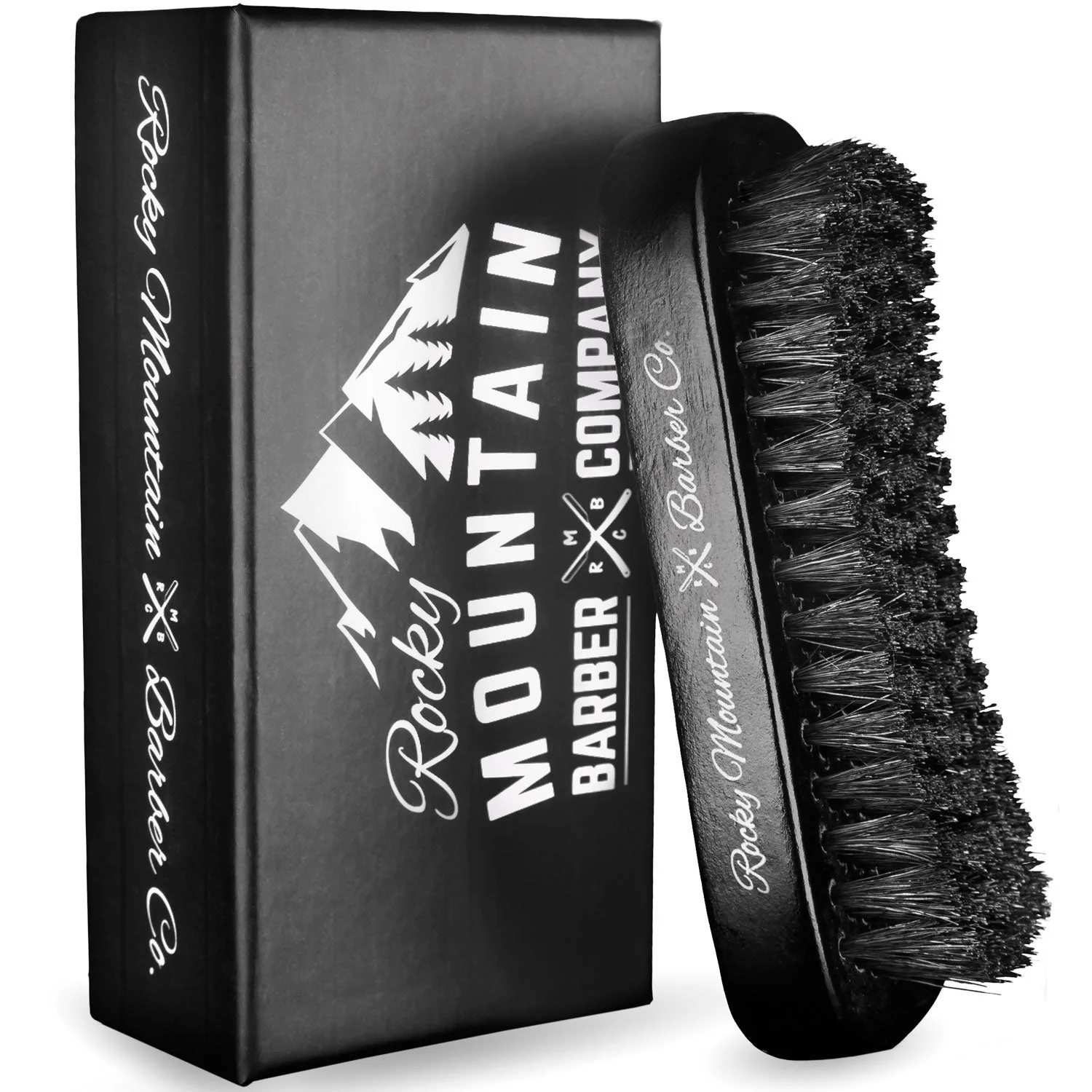
beard brush
A beard brush is one of the most underrated tools in a man's grooming kit. While beard oil and balm get most of the attention, a good brush does the heavy lifting: it trains stubborn hairs, spreads natural oils from root to tip, and keeps the skin underneath healthy. If you're serious about growing a fuller, well-behaved beard, learning how to use a beard brush correctly is a game changer.
In this guide, we'll walk you through the exact steps to brush your beard for training and growth, highlight common mistakes to avoid, and explain why a simple daily routine can make a visible difference. No fluff, just practical advice you can start using today.
Why Brushing Helps Train Your Beard
Brushing your beard isn't just about making it look tidy. The mechanical action stimulates blood flow to the hair follicles, which can support healthier growth. It also helps distribute your skin's natural sebum—the oil that moisturizes hair and prevents dryness and itch. When those oils reach the tips, your beard looks shinier and feels softer.
Training a beard means teaching the hair to grow in a consistent direction. Many men have patches or cowlicks that stick out at odd angles. Regular brushing, especially with a boar-bristle brush, encourages the hair to lie flat and follow the same path. Over time, this reduces the 'messy' phase that most beards go through and makes styling much easier.
- Brush daily to train hair direction and reduce flyaways.
- Boar bristles are ideal because they grip the hair without causing static.
Choosing the Right Beard Brush
Not all brushes are created equal. For beard training, a brush with natural boar bristles is the best choice. The bristles are stiff enough to tame coarse hair but gentle on the skin. Synthetic brushes can cause static and don't distribute oils as effectively. If your beard is very thick or curly, look for a brush with a mix of boar bristles and nylon pins for extra detangling power.
Size matters too. A smaller brush is easier to maneuver around the jaw and mustache area, while a larger brush covers more surface area for the cheeks and neck. Choose one that feels comfortable in your hand and has a sturdy handle. You don't need an expensive brush—just one that's well-made and fits your beard type.
- Boar-bristle brushes are best for distributing natural oils.
- Avoid synthetic bristles that cause static and frizz.
When and How Often to Brush
The best time to brush your beard is in the morning, after you've washed or rinsed your face. Brushing on dry hair is fine, but if your beard is very tangled, a few drops of beard oil can help loosen knots. Aim for two to three minutes of brushing each day. Over-brushing can irritate the skin and cause breakage, so don't go overboard.
If you're using beard balm, apply it after brushing. The brush helps distribute the balm evenly and settles the hair into place. Some men prefer to brush again after applying balm to ensure full coverage. Listen to your beard—if it feels dry or brittle, you may need to adjust your routine.
- Morning is the best time to brush, after washing your face.
- Two to three minutes daily is enough—avoid over-brushing.
Common Brushing Mistakes to Avoid
One of the biggest mistakes is brushing against the grain. This can cause tugging, breakage, and even ingrown hairs. Always brush in the direction of hair growth—usually downward from the cheeks to the chin. Another mistake is brushing a wet beard. Wet hair is weaker and more prone to breakage. Always dry your beard thoroughly before brushing.
Don't press too hard. The brush should glide through the hair with light to medium pressure. If you feel pain or see skin irritation, you're pressing too hard. Also, don't neglect the skin beneath the beard. Use the brush to gently exfoliate the skin, which helps prevent flakiness and promotes a healthy environment for growth.
- Brush with the grain, not against it.
- Never brush a wet beard—dry it first.
- Use light pressure to avoid skin irritation.
Step-by-Step: How to Brush Your Beard for Training and Growth
- Start with a clean, dry beard: Wash your beard with a gentle beard wash or just water, then pat it dry with a towel. Wait until it's completely dry before brushing. Wet hair is fragile and can break easily. Checkpoint: If your beard is still damp, wait a few more minutes.
- Apply a few drops of beard oil (optional): If your beard is dry or tangled, rub 2-3 drops of beard oil between your palms and work it through the hair. This adds slip and helps the brush glide without pulling. Checkpoint: Don't overdo it—too much oil can make your beard greasy.
- Brush from the neck upward: Start at the base of your neck and brush upward toward the jawline. This lifts the hair and detangles any knots. Then, switch to brushing downward from the cheeks to the chin, following the natural growth direction. Checkpoint: If the brush snags, you're going against the grain—adjust direction.
- Brush the mustache and edges: Use the edge of the brush to comb the mustache outward and downward. For the jawline and cheek edges, brush in short strokes to keep the lines sharp and train the hair to stay in place. Checkpoint: Pay extra attention to cowlicks and stubborn patches.
- Finish with beard balm for hold: Warm a small amount of beard balm between your fingers and apply it evenly through your beard. Use the brush again to distribute the balm and set the hair in the desired direction. Checkpoint: The balm should coat the hair without leaving a greasy residue.
Products That Support Your Beard Brushing Routine
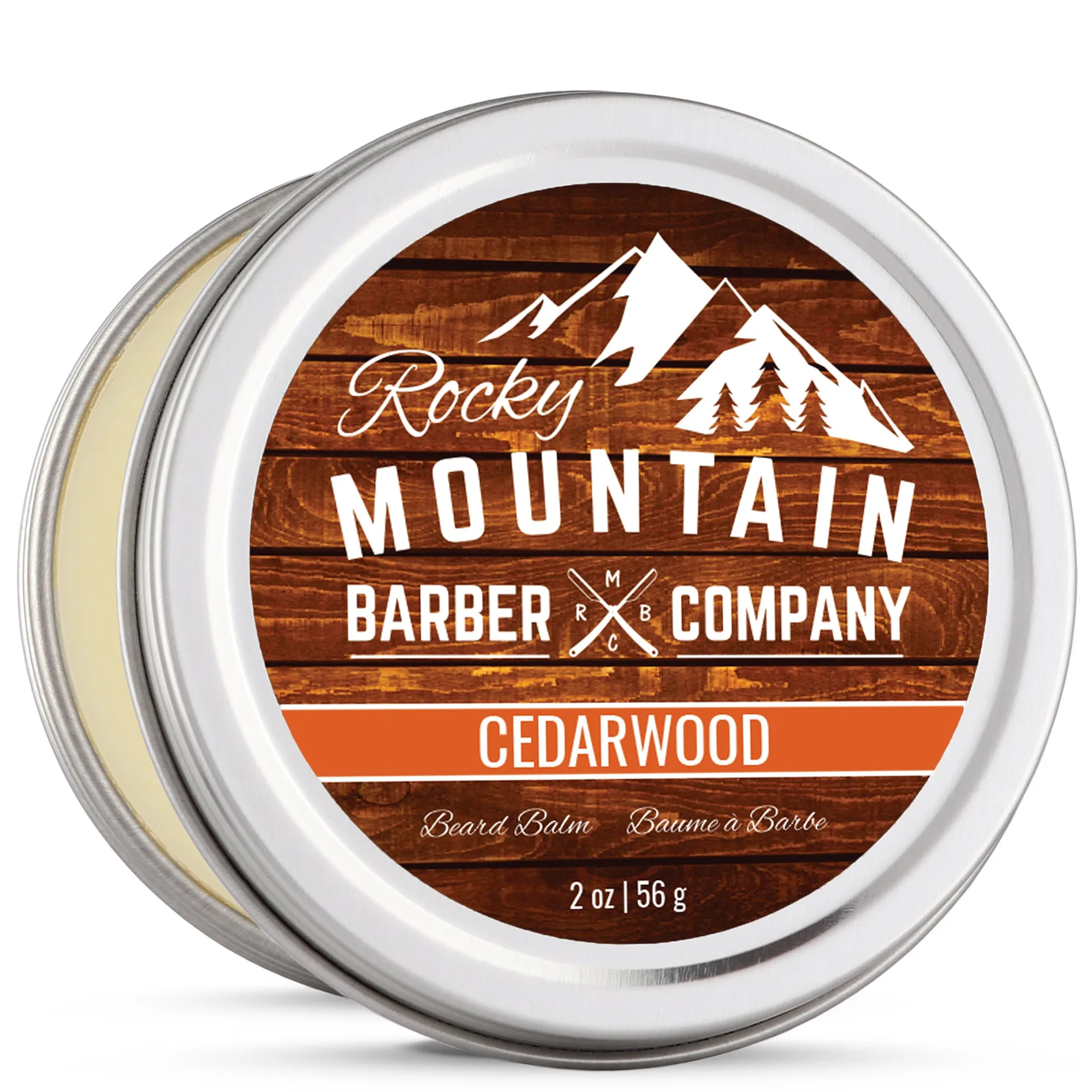
- Cedarwood Beard Balm: Our 2oz cedarwood beard balm melts effortlessly in your hands and is expertly crafted using our signature blend of natural oils, butters, and beeswax. They work together to not only tame and style your beard, but also nourish and condition your facial hair and underlying skin. With its lightweight, non-greasy formula, and woodsy cedarwood scent. After brushing, a small amount of balm helps lock in moisture and keep the hair trained throughout the day. The natural ingredients condition both hair and skin, reducing itch and breakage.
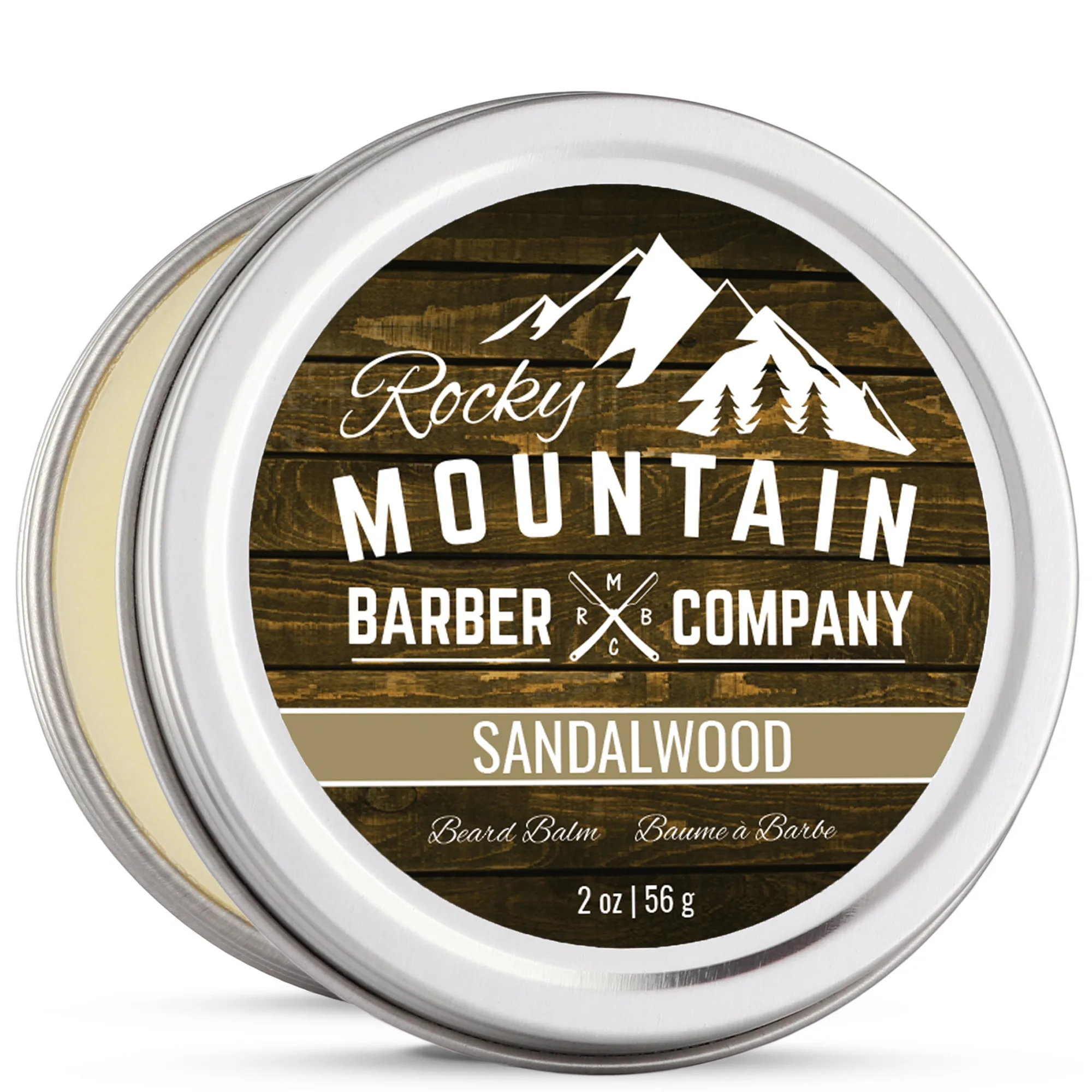
- Sandalwood Beard Balm: Our 2oz sandalwood beard balm melts effortlessly in your hands and is expertly crafted using our signature blend of natural oils, butters, and beeswax. They work together to not only tame and style your beard, but also nourish and condition your facial hair and underlying skin. With its lightweight, non-greasy formula, and smooth sandalwood scent. If you prefer a warmer, smoother scent, this balm provides the same styling and conditioning benefits. Use it after brushing to add a subtle hold and a healthy sheen.
Brushing your beard daily is a simple but powerful habit. It trains the hair to grow in a consistent direction, distributes natural oils, and keeps the skin underneath healthy. Pair your brush with a quality beard balm, like the Cedarwood or Sandalwood Beard Balm, to lock in moisture and maintain a neat, well-groomed look. Stick with it, and you'll see the difference in both the feel and appearance of your beard.