What Makes These Bandages Different
Switching to biodegradable adhesive bandage strips means using a product that is designed to break down after disposal, unlike conventional plastic bandages. These particular strips are made from 100% organic bamboo fiber and are free from irritating chemicals. That means they are gentler on the skin and better for the planet.
Before you apply one, it helps to know what these bandages are—and what they aren't. They are compostable bandages for minor cuts and scrapes, not a substitute for professional medical care. They are not waterproof or designed for heavy-duty use.
What the Product Facts Confirm
-
Patch Biodegradable Natural Adhesive Bandage Strips – Package Free: These natural adhesive patches, made from 100% organic bamboo fiber, are free from irritating chemicals to help your body heal minor cuts and scrapes the way nature intended it to. This confirms the bandages are made from a renewable, biodegradable material and are free from common chemical irritants found in some conventional bandages, making them suitable for sensitive skin.
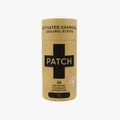
Patch Biodegradable Natural Adhesive Bandage Strips – Package Free
How to Use Biodegradable Adhesive Bandage Strips
Using these strips is similar to using any adhesive bandage, but because they are made from natural materials, a few extra considerations help them stay in place and work effectively.
- Clean and dry the wound: Gently wash the minor cut or scrape with clean water and mild soap. Pat the skin dry completely. Moisture can prevent the natural adhesive from sticking well.
- Apply the bandage without stretching: Peel the backing from the biodegradable bandage strip. Place it over the wound without stretching the material. Stretching can cause the bandage to lift or wrinkle as the adhesive settles.
- Press firmly around the edges: Press down the edges of the bandage with your fingers for a few seconds. The natural adhesive needs gentle pressure to bond with your skin. Avoid touching the pad area.
- Change as needed: Replace the bandage when it becomes wet, dirty, or after a few hours. Because these are not waterproof, they may need more frequent changing if you are active or in humid conditions.
- Dispose of properly: After use, place the bandage in a compost bin if it is certified compostable and your facility accepts such materials. Otherwise, dispose of it in the trash. Do not flush it.
Honest Trade-Offs to Consider
Biodegradable bandage strips are a great eco-friendly alternative, but they have limitations. They are not waterproof, so they may not stay on as long in wet conditions. The natural adhesive may be less aggressive than synthetic versions, which means they might not stick as well on oily or very active skin. They are designed for minor cuts and scrapes, not for wounds that require a sterile, heavy-duty bandage.
Also, while the material is compostable, your local composting facility may not accept used bandages due to hygiene concerns. Check with your facility before composting.