Quick answer
Start with 1/2 to 1 teaspoon of whole black seeds daily, sprinkled over food or steeped as tea, and increase gradually. Avoid heat that damages delicate oils, and always check for allergies.
Why black seeds are worth adding to your routine
Black seeds (Nigella sativa) have a peppery, nutty taste that works well in both savory dishes and herbal teas. Their potential wellness support—from digestion to immune function—comes from compounds like thymoquinone, which is sensitive to high heat. That’s why how you prepare them matters as much as how much you take.
Whole seeds vs. oil: what to choose
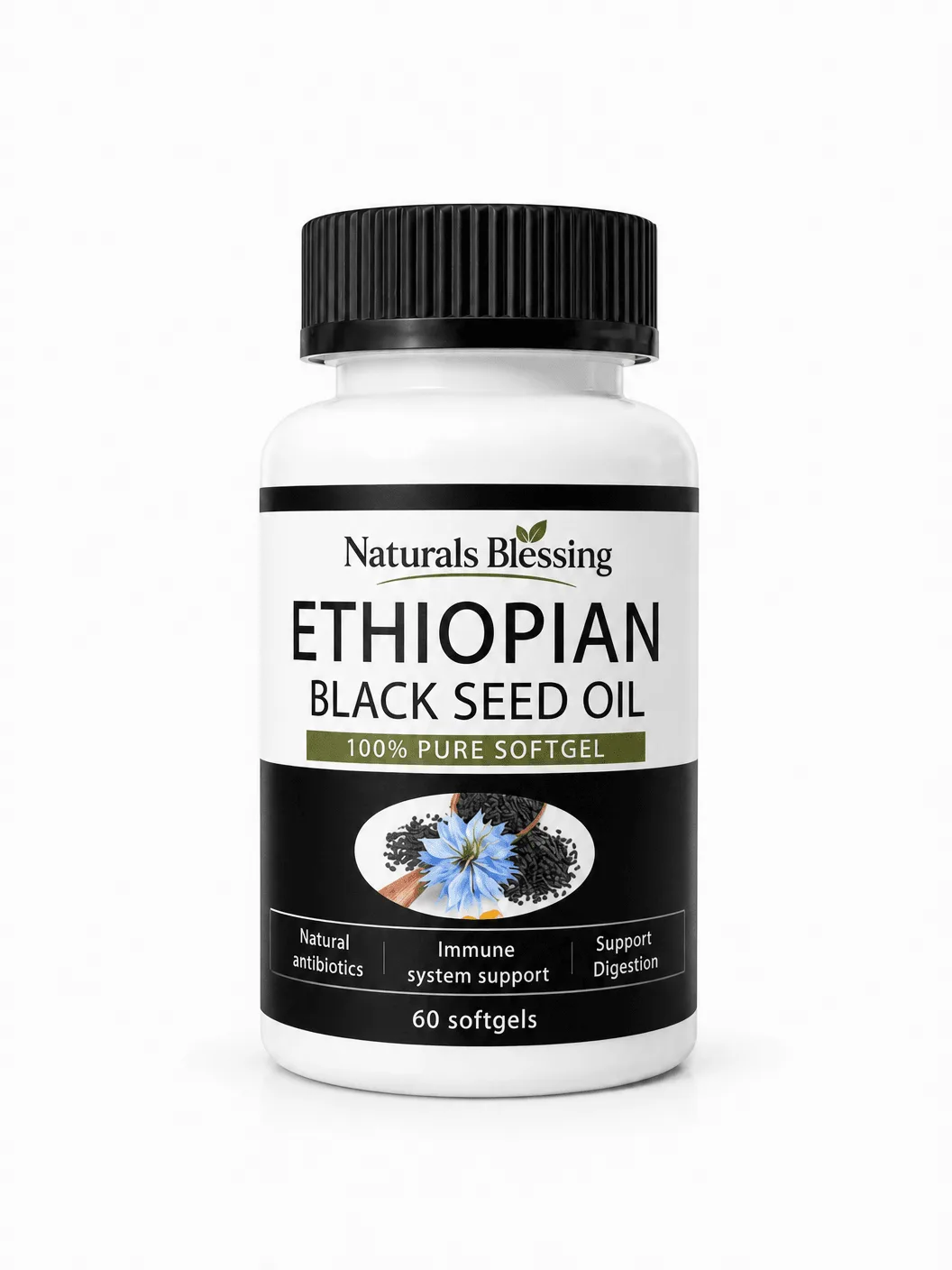
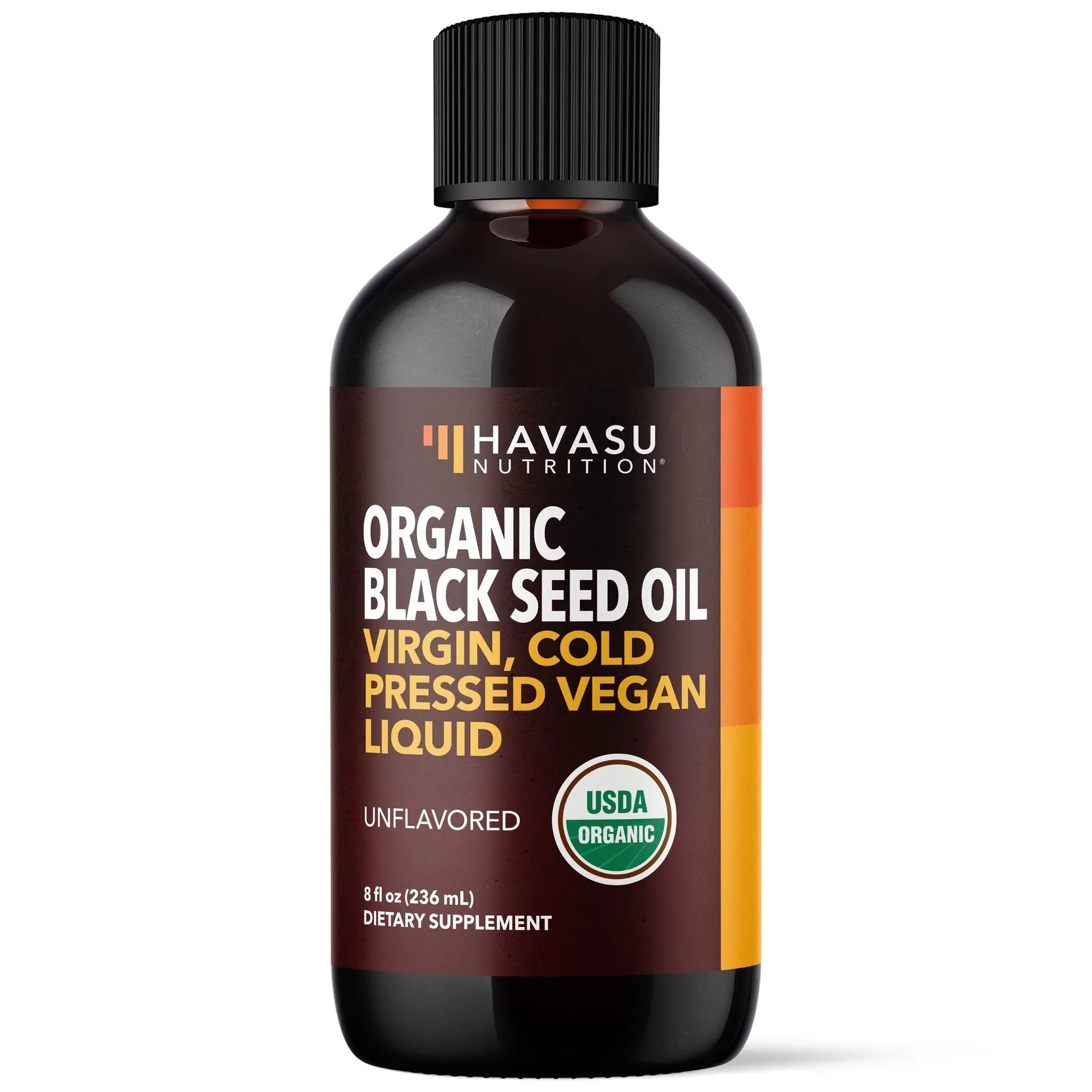
Whole black seeds are easy to find, store well, and let you control dosage precisely. Black seed oil is more concentrated and convenient but can go rancid faster and may irritate sensitive skin if applied undiluted. For most beginners, whole seeds are the safer starting point.
How to use black seeds for wellness
- 1. Start with a small dose: Begin with 1/2 teaspoon (about 2 grams) of whole black seeds per day. Sprinkle them over yogurt, salad, or cooked vegetables, or stir into warm (not boiling) water for a mild tea. Common mistake: starting with too much can cause mild stomach upset. Increase to 1 teaspoon only after 3–4 days if you feel fine.
- 2. Avoid high heat to preserve beneficial compounds: If you want to add black seeds to hot dishes, stir them in after cooking, off the heat. Boiling or frying destroys thymoquinone and other volatile oils. Checkpoint: if using black seed oil, never heat it—add it to cold or room-temperature foods only.
- 3. Try a simple infusion for a gentle daily dose: Steep 1 teaspoon of whole black seeds in a cup of hot (not boiling) water for 5–10 minutes. Strain and drink the liquid, or chew the softened seeds for extra fiber. Common mistake: leaving seeds in water too long makes the drink bitter. Set a timer to keep the flavor pleasant.
- 4. Use black seed oil topically with a carrier: Mix 2–3 drops of black seed oil with a teaspoon of a neutral carrier oil (like coconut or jojoba) before applying to skin. Test on a small patch first. Checkpoint: pure black seed oil can cause redness on sensitive skin. Always dilute and do a patch test behind your ear.
- 5. Store seeds and oil correctly to maintain freshness: Keep whole seeds in an airtight container in a cool, dark cupboard. Black seed oil should be refrigerated after opening and used within 6 months. Common mistake: leaving oil in a warm kitchen speeds up rancidity. If it smells like paint thinner, discard it.
Product spotlight
-
Black Seeds 100g – Premium Quality Whole Nigella Sativa: Premium Quality: Carefully selected for bold aroma and taste. Culinary Versatility: Great for breads, spice blends, or infusing oils. This means you can use the same jar for sprinkling over flatbreads, mixing into curries, or steeping as tea—no extra preparation needed.
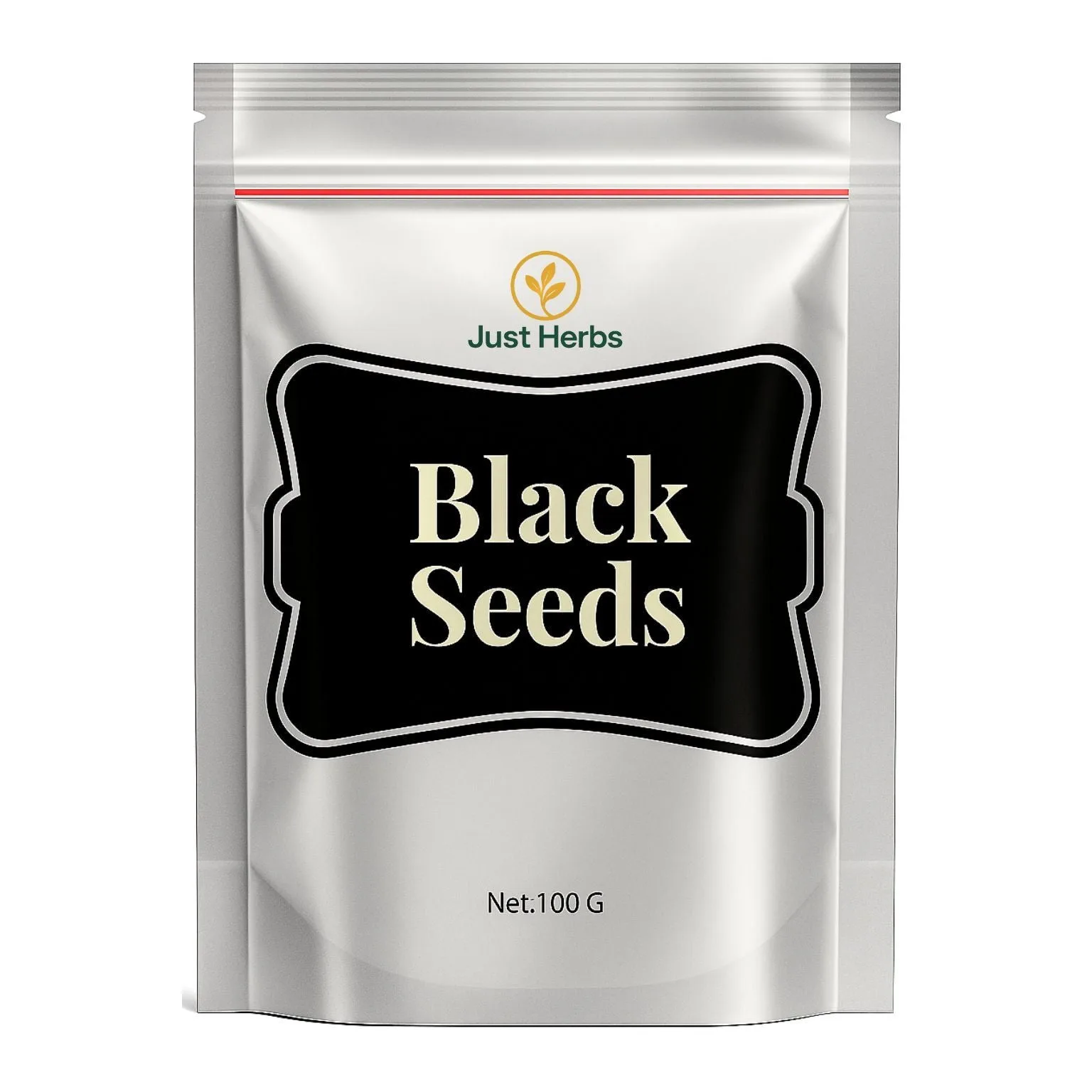
Black Seeds 100g – Premium Quality Whole Nigella Sativa