Body acne, often referred to as bacne or chest acne, is a common but frustrating skin concern. Unlike facial breakouts, body acne can be harder to treat because the skin on your back and chest is thicker, has larger pores, and is frequently covered by clothing that traps sweat and oil. The result? Stubborn bumps, redness, and sometimes painful cysts that can make you feel self-conscious at the gym, on the beach, or even in your everyday clothes.
Fortunately, modern skincare has evolved to address body acne with convenient, targeted solutions. One of the most effective and easy-to-use options is a body acne spray. These lightweight, non-greasy formulas deliver active ingredients directly to hard-to-reach areas like the middle of your back. In this guide, we'll walk you through exactly how to use a body spray for acne on back and chest, what ingredients to look for, and how to build a routine that keeps breakouts at bay.
Why Body Acne Is Different from Facial Acne
The skin on your back and chest has a higher density of sebaceous glands, which means it naturally produces more oil. Combined with friction from clothing, backpacks, and even your bedsheets, this creates an ideal environment for acne-causing bacteria. Unlike your face, which you can wash twice a day with ease, your back is often neglected or scrubbed too harshly, leading to irritation and more breakouts.
Body acne also tends to be more inflammatory due to the constant pressure and rubbing from clothing. That's why a gentle yet effective treatment like a body spray is ideal. It allows you to apply a thin, even layer of active ingredients without having to twist your arms into awkward positions or rely on a partner. Sprays also minimise the risk of over-scrubbing, which can damage the skin barrier and worsen acne.
- Use a clean towel after showering to avoid transferring bacteria to your back.
- Wear loose, breathable fabrics like cotton to reduce friction and sweating.
Key Ingredients to Look for in a Body Acne Spray
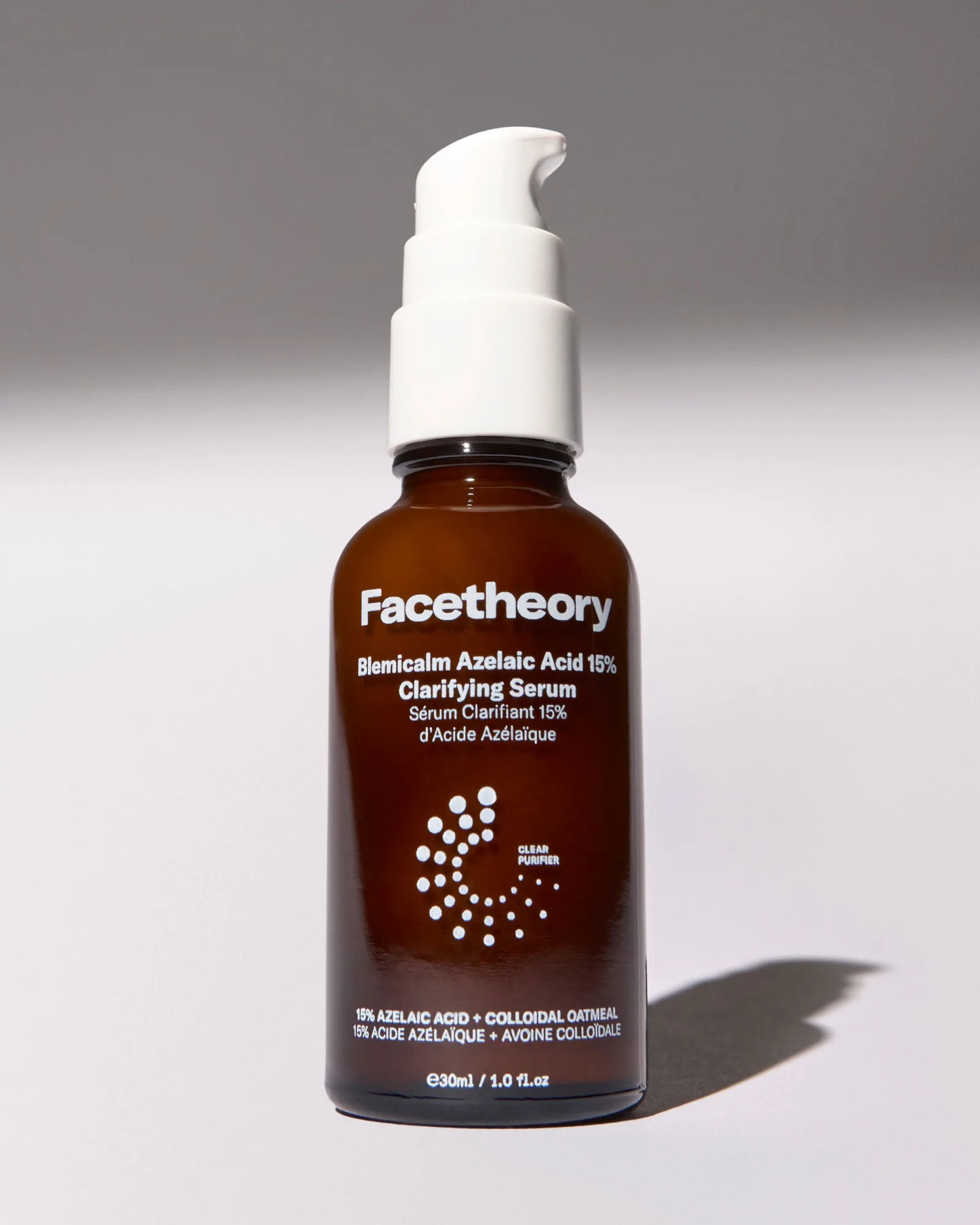
When shopping for a body acne spray, focus on ingredients that target the root causes of breakouts: excess oil, clogged pores, and bacteria. Salicylic acid (BHA) is a gold standard because it penetrates deep into pores to exfoliate from the inside out. Another powerhouse is azelaic acid, which reduces inflammation and kills acne-causing bacteria while also helping to fade post-acne marks. For a gentle yet effective option, consider a product like the Blemicalm Azelaic Acid 10% Clarifying Serum, which can be used as a targeted spray or applied with a cotton pad on stubborn spots.
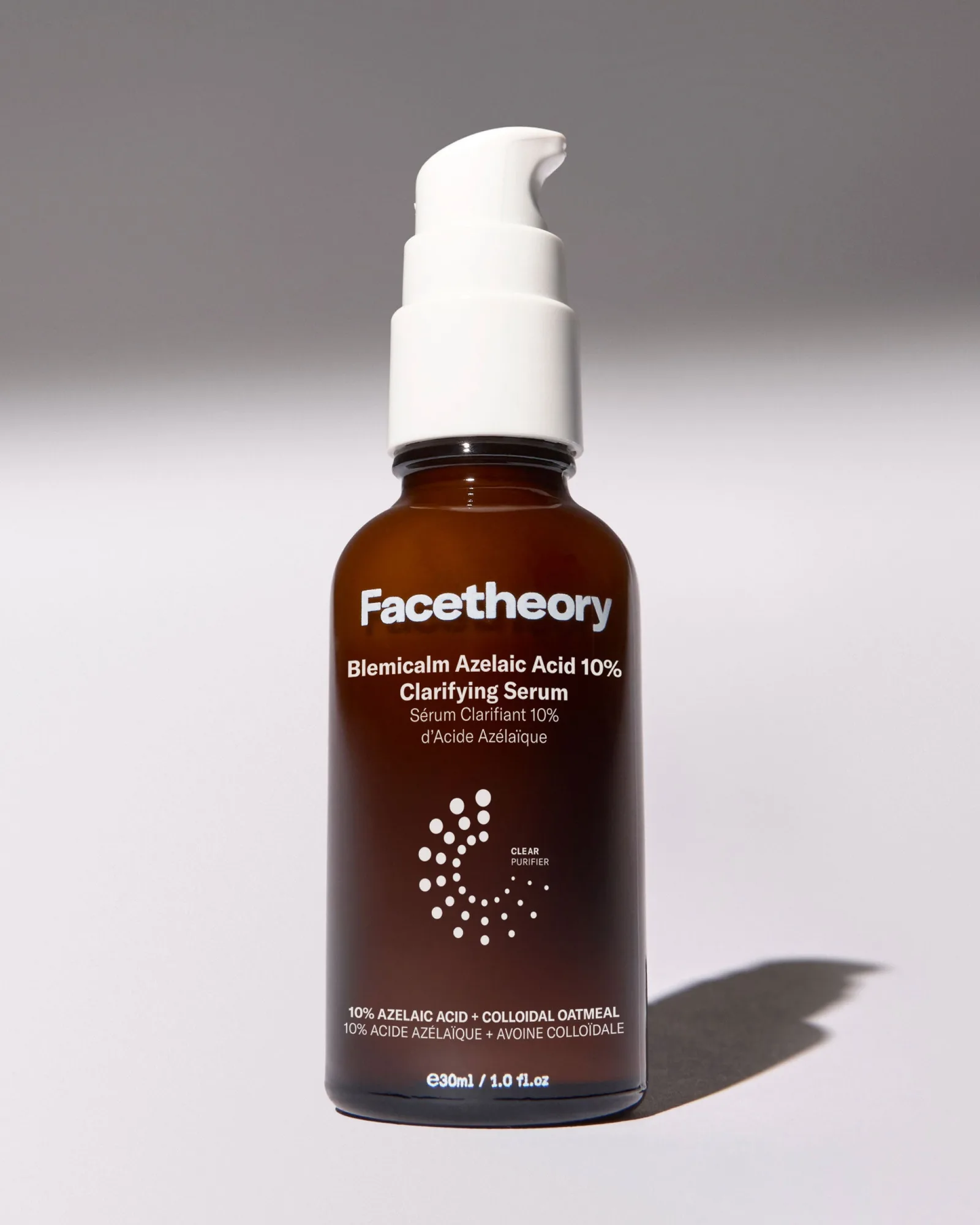
Blemicalm Azelaic Acid 10% Clarifying Serum
Niacinamide is another star ingredient that helps regulate oil production and soothes redness. If your body acne is accompanied by rough texture or bumps, a gentle exfoliating spray with lactic acid or gluconolactone can help smooth the skin without stripping it. Avoid sprays with high alcohol content, as they can dry out the skin and trigger more oil production.
- Salicylic acid (BHA) for deep pore cleansing.
- Azelaic acid to reduce inflammation and fade dark spots.
- Niacinamide to balance oil and calm redness.
Step-by-Step: How to Use a Body Spray for Acne on Back and Chest
Start with a clean, dry body. Shower using a gentle, non-comedogenic body wash, then pat your skin dry with a clean towel. Do not apply the spray to wet skin, as water can dilute the active ingredients and reduce effectiveness. Hold the spray bottle about 6-8 inches away from your back and chest. Spray in a sweeping motion to cover the affected areas evenly. Avoid concentrating the spray on just one spot, as this can cause irritation.
Allow the spray to dry completely before putting on clothing. This usually takes 30-60 seconds. For best results, use the spray once daily, ideally in the evening after your shower. If your skin is sensitive, start with every other day and gradually increase frequency. You can also use the spray on other acne-prone areas like the shoulders or upper arms. For a more intensive treatment, follow up with a lightweight, oil-free moisturiser to keep the skin barrier healthy.
- Always patch test a new spray on a small area of skin before full use.
- Avoid applying immediately before or after intense workouts to prevent irritation.
Building a Complete Body Acne Routine
While a body spray is a powerful tool, it works best as part of a holistic routine. Start with a gentle exfoliating body wash containing salicylic acid or glycolic acid to remove surface dead skin cells. Use it 2-3 times a week to avoid over-exfoliation. On days when you don't exfoliate, use a hydrating body wash to maintain moisture balance. After showering, apply your body spray and follow with a non-comedogenic moisturiser if needed.
Don't forget to address other factors that contribute to body acne. Change your bedsheets and pillowcases weekly, wash your workout clothes after every use, and avoid using heavy body lotions that can clog pores. If you have persistent body acne, consider incorporating a gentle physical exfoliant like the Double Glow Exfoliating Face & Body Scrub once a week to smooth rough patches and enhance the absorption of your spray treatment.
- Shower immediately after sweating to prevent pore-clogging.
- Avoid using fabric softeners on towels and gym clothes, as they can leave a residue.
Common Mistakes to Avoid When Using a Body Acne Spray
One of the biggest mistakes people make is applying too much product. More is not better when it comes to active ingredients like azelaic acid or salicylic acid. Over-application can lead to dryness, redness, and peeling. Stick to the recommended amount and frequency. Another common error is skipping moisturiser. While body sprays are lightweight, they can still be drying over time, especially if you're using them daily. A light, oil-free moisturiser can prevent irritation.
Also, be patient. Body acne often takes longer to clear than facial acne because the skin is thicker and the pores are larger. You may not see visible improvement for 4-6 weeks. Consistency is key. Finally, avoid picking or popping body breakouts. The skin on your back and chest is prone to scarring, and picking can lead to dark spots that take months to fade. If you notice any signs of infection or severe inflammation, consult a dermatologist.
- Don't mix multiple strong actives (e.g., retinol and high-concentration AHAs) without professional guidance.
- If you experience stinging or burning, reduce frequency or switch to a gentler formula.
When to See a Dermatologist for Body Acne
While many cases of body acne can be managed with over-the-counter sprays and a good routine, some situations require professional help. If you have large, painful cysts that leave scars, or if your acne doesn't improve after 8-12 weeks of consistent treatment, it's time to see a dermatologist. They may prescribe stronger topical treatments like prescription-strength retinoids or oral medications such as antibiotics or isotretinoin.
Additionally, if you notice sudden, severe breakouts on your back and chest accompanied by joint pain, fever, or other systemic symptoms, it could be a sign of an underlying condition like hidradenitis suppurativa or hormonal imbalances. A dermatologist can provide a proper diagnosis and tailor a treatment plan that addresses your specific needs. Remember, your skin is unique, and what works for someone else may not work for you.
- Keep a journal of your breakouts to identify triggers like stress, diet, or products.
- Consider a professional chemical peel for stubborn body acne scars.
Body acne doesn't have to be a lifelong struggle. With the right approach—including a targeted body spray, consistent routine, and a few lifestyle tweaks—you can achieve clearer, smoother skin from your shoulders to your waist. Start your journey today by exploring the Blemicalm Azelaic Acid 10% Clarifying Serum, a gentle yet effective spray that calms inflammation and fades dark spots. Your back and chest will thank you.