Quick answer
To warm a bottle safely, always use a bottle warmer rather than a microwave, follow the manufacturer's water and timing instructions, and test the milk temperature on your wrist before feeding. Never leave a warming bottle unattended, and clean the warmer after every use to prevent residue buildup.
Why a bottle warmer beats the microwave
Microwaving breast milk or formula can create hot spots that burn a baby's mouth even if the bottle feels cool. A bottle warmer heats more gently and evenly. It also preserves the nutrients in breast milk better than high heat. If you're using a simple serve bottle warmer, it's designed to warm one bottle at a time with a measured amount of water, so you get consistent results without guessing.
Setting up your warmer for the first time
Place the warmer on a flat, stable surface away from the edge of the counter and out of reach of children. Check that the cord isn't near a sink or water source. Before first use, fill the water chamber to the indicated line and run a warming cycle with an empty bottle or just water to clean the interior. Some warmers also have a sanitizing function; if yours does, follow the manual for that separate cycle. Always use distilled water if your tap water is hard, to reduce mineral buildup.
How to warm a bottle step by step
Start with a bottle that's at room temperature or refrigerated. Pour the required amount of water into the warmer using the provided measuring cup. Place the bottle in the warmer without the nipple or cap. Set the dial or press the button for the recommended time based on the bottle size and starting temperature. When the cycle ends, remove the bottle carefully—it may be warm. Swirl the milk gently to even out the temperature, then test a few drops on the inside of your wrist. If it feels warm but not hot, it's ready. If you're warming formula that's been refrigerated, you may need a slightly longer cycle; check your warmer's manual for specific timing.
Temperature and safety checks
The ideal serving temperature for breast milk or formula is around body temperature, roughly 98.6°F (37°C). Most babies accept milk that's slightly cooler or warmer. Never warm milk above 104°F (40°C) because it can scald and destroy nutrients. If you don't have a thermometer, a wrist test is reliable: a few drops should feel neutral, not hot. Always discard any leftover milk after a feeding—never reheat it. And never leave a bottle warming for more than 15 minutes; if it's not warm enough, it's safer to start a fresh cycle than to overheat.
Cleaning and maintenance
After each use, unplug the warmer and let it cool completely. Empty any remaining water and wipe the interior with a damp cloth. Don't submerge the base in water. Once a week, descale the chamber with a mixture of white vinegar and water, then run a cycle with plain water to rinse. Check the manual for your specific model's cleaning instructions. Keeping the warmer clean prevents mold and odors that can affect the taste of milk.
Step-by-step bottle warming
- Prep the warmer: Place the warmer on a flat, stable surface. Fill the water chamber with the exact amount of water indicated in the manual—usually using the provided measuring cup. Use distilled water if your tap water is hard. Checkpoint: Never overfill; excess water can cause uneven heating or spillover.
- Load the bottle: Remove the nipple, cap, and any travel cover. Set the bottle upright in the warmer. If your warmer has a basket, make sure the bottle sits level and doesn't tip. Checkpoint: A tilted bottle can leak or heat unevenly.
- Start the cycle: Set the timer or press start according to your model's instructions. For a simple serve warmer, typical warming times range from 4 to 8 minutes for room-temperature milk, longer for refrigerated. Do not walk away. Checkpoint: Stay nearby; overheating can happen quickly.
- Test the temperature: When the cycle ends, carefully remove the bottle. Swirl gently to mix. Put a few drops on your inner wrist. It should feel warm, not hot. If it's too cool, you can run a short additional cycle, but never more than 2 minutes at a time. Checkpoint: If the bottle feels hot to your touch, let it cool for a minute before testing again.
- Feed promptly and discard leftovers: Feed your baby within one hour of warming. Any milk left in the bottle after a feeding should be thrown away—never refrigerate or reheat it. Checkpoint: Reheating leftover milk can breed bacteria and isn't safe.
- Clean the warmer: Unplug and let cool. Empty remaining water, wipe interior with a damp cloth, and dry. Once a week, descale with vinegar and water. Never submerge the base. Checkpoint: Regular cleaning prevents mineral buildup and odors.
Product facts
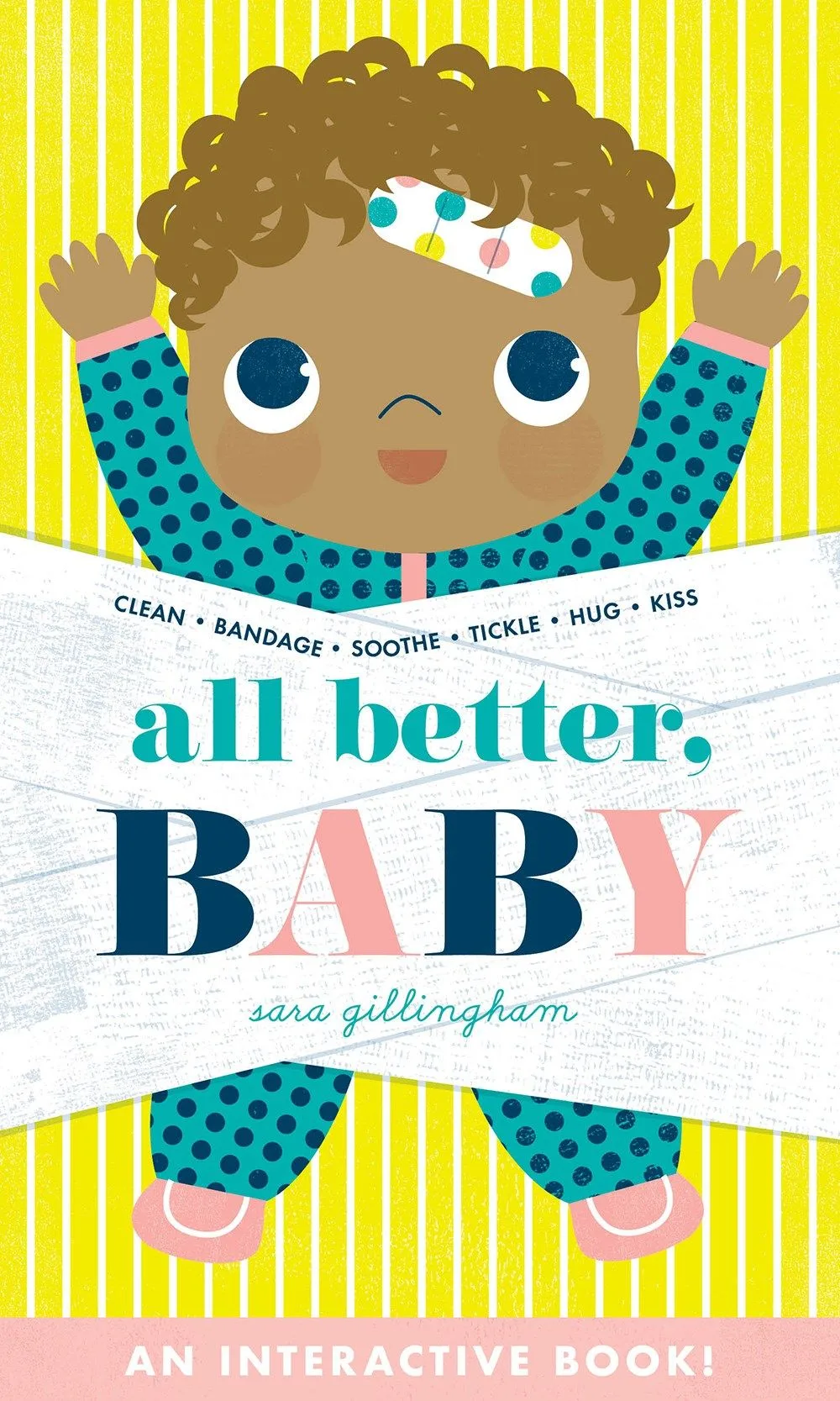
- All Better, Baby: All Better, Baby is an interactive novelty board book that plays like a doll and reads like a gentle manual about how to soothe a baby. It includes real tactics for newborn care, such as putting a bandage on a scraped knee and rubbing. This book can help parents practice caregiving routines in a playful way, reinforcing the gentle handling and attention to temperature that safe bottle warming requires.