Quick Answer
To use a brass wire tea strainer, place it over your cup or teapot, pour the brewed tea through it to catch the leaves, and enjoy a smooth, leaf-free cup. For best results, use medium-to-coarse loose leaf tea and clean the strainer immediately after each use to prevent residue buildup.
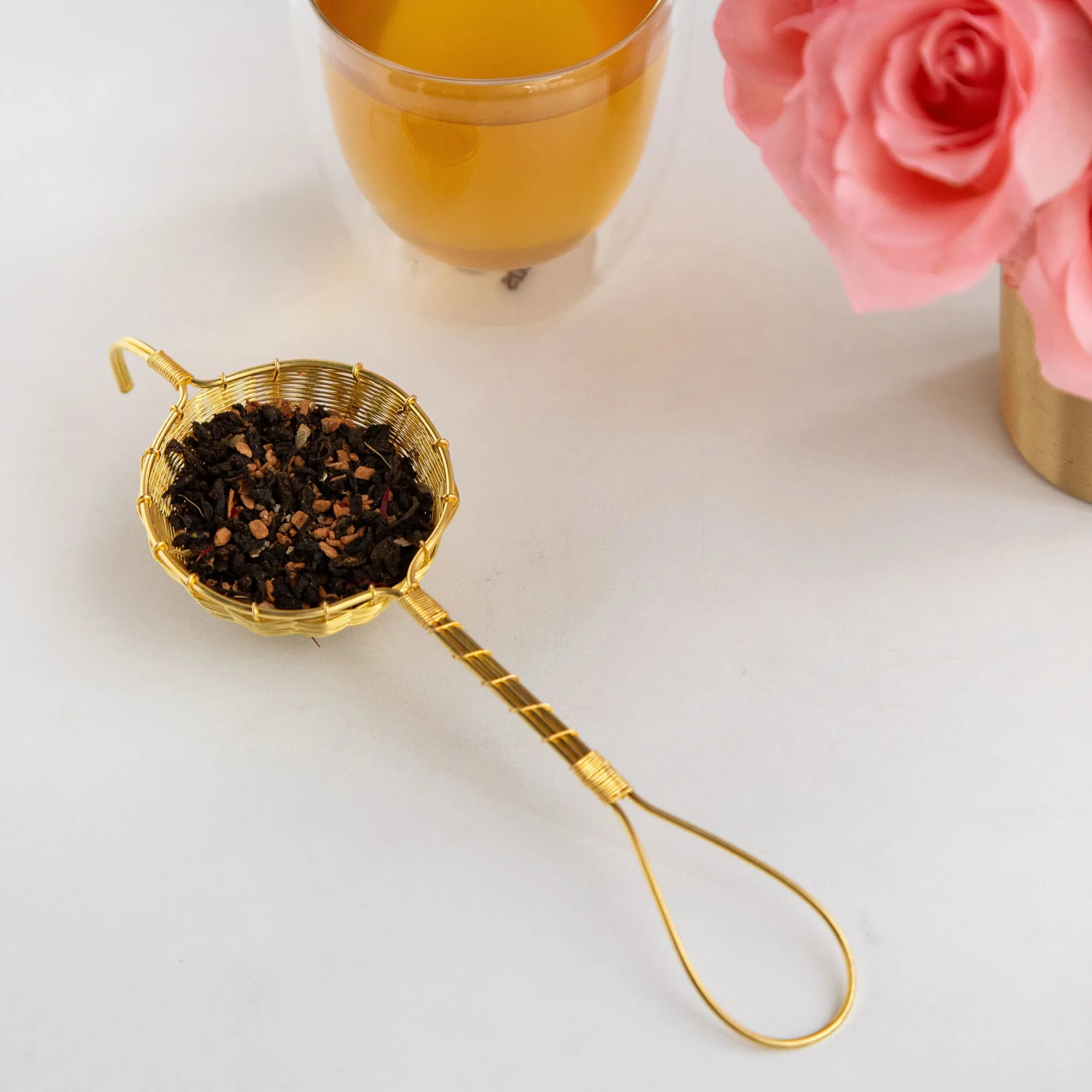
brass wire tea strainer
Brewing loose leaf tea is a rewarding ritual, but the final step—keeping the leaves out of your cup—can make or break the experience. A brass wire tea strainer is a simple, elegant solution that lets you enjoy the full flavor of your tea without the gritty bits. Whether you're new to loose leaf tea or a seasoned enthusiast, this guide will walk you through the proper technique, common pitfalls, and how to care for your strainer so it lasts for years.
Unlike built-in infusers, a separate strainer gives you total control over your brew. You can steep your leaves freely in a pot or mug, then strain as you pour, which is ideal for teas that expand significantly during steeping. With a few simple steps, you'll master this timeless tool and elevate your daily tea routine.
Why Choose a Brass Wire Tea Strainer?
A brass wire tea strainer offers a unique blend of durability and elegance. The fine mesh sieve effectively filters out tea leaves while allowing the full flavor and aroma of the tea to flow through, ensuring a clean and enjoyable cup. Brass is a sturdy material that can withstand regular use, and its classic look adds a touch of sophistication to any tea set.
Compared to paper filters or plastic infusers, a brass strainer is reusable and eco-friendly. It's also versatile—you can use it to strain not just tea but also herbal infusions and other beverages. However, it's important to note that brass requires a bit of care to maintain its shine and prevent tarnishing, which we'll cover later.
- Ideal for loose leaf teas with medium to large leaves, as very fine leaves may pass through the mesh.
- Great for brewing tea in a teapot and straining directly into cups.
- Adds a decorative touch to your tea ritual—perfect for serving guests.
What You'll Need
Before you start, gather your essentials: your favorite loose leaf tea, a teapot or mug, hot water at the appropriate temperature for your tea type, and your brass wire tea strainer. If you're using a tea that requires a longer steeping time, like a robust Assam, you might also want a timer to avoid over-extraction.
It's also helpful to have a small dish or saucer to rest the strainer on after use, as it will be wet and could drip. This keeps your counter clean and makes the cleanup process easier.
- Loose leaf tea of your choice
- Teapot or mug
- Hot water (temperature varies by tea type)
- Brass wire tea strainer
- Timer (optional but recommended)
Step-by-Step: Brewing and Straining
The process is straightforward, but attention to detail makes a difference. Start by heating your water to the right temperature: for green teas, aim for around 175°F (80°C), while black teas like Assam can handle a full boil at 212°F (100°C). Add your loose leaf tea to the teapot or mug—about one teaspoon per 8 ounces of water—and pour the hot water over it.
Let the tea steep for the recommended time (typically 3-5 minutes for black tea, 2-3 minutes for green). Once steeping is complete, place the brass wire tea strainer over your cup or teapot spout, and slowly pour the tea through it. The fine mesh will catch the leaves, leaving you with a clear, flavorful cup.
- For a stronger cup, increase the steeping time slightly, but be careful not to over-steep, which can make tea bitter.
- If you're brewing multiple cups, strain each cup individually to ensure even strength.
- Rest the strainer on a saucer after use to catch drips.
Common Mistakes to Avoid
One of the most common mistakes is using a strainer with too fine a mesh for certain teas, which can clog and slow down the pouring process. Conversely, a very coarse strainer might let small leaf fragments through. The brass wire tea strainer's fine mesh strikes a balance, but it's still best to use teas with larger leaves for optimal results.
Another frequent error is neglecting to clean the strainer right away. Tea leaves and tannins can dry onto the mesh, making it harder to clean later and potentially affecting the taste of future brews. Always rinse the strainer under warm water immediately after use and dry it thoroughly to prevent water spots or tarnishing.
- Don't let the strainer sit with wet tea leaves for extended periods.
- Avoid using abrasive cleaners that could scratch the brass.
- If you notice a metallic taste, it may be a sign that the brass needs a gentle cleaning with a specialized brass polish.
Caring for Your Brass Wire Tea Strainer
Proper care ensures your brass wire tea strainer remains beautiful and functional for years. After each use, rinse it with warm water and gently wipe it dry with a soft cloth. For deeper cleaning, you can use a mild dish soap and a soft sponge, but avoid harsh detergents or steel wool that could scratch the surface.
Over time, brass naturally develops a patina, which some people find attractive. If you prefer to keep it shiny, use a brass polish according to the manufacturer's instructions. Always store your strainer in a dry place to prevent moisture-related tarnishing.
- Hand wash only; do not put brass in the dishwasher.
- Dry thoroughly after washing to prevent water spots.
- Consider a gentle brass polish for occasional upkeep.
Your Step-by-Step Brewing Checklist
- Heat water to the right temperature: Use a thermometer or electric kettle with temperature control. Green teas: 175°F (80°C); black teas: 212°F (100°C). Checkpoint: Water should be steaming but not boiling for green teas.
- Add loose leaf tea and steep: Use about 1 teaspoon of tea per 8 oz of water. Steep for 3-5 minutes for black tea, 2-3 for green. Checkpoint: Set a timer to avoid over-steeping.
- Position the strainer over your cup: Hold the strainer securely over the cup, ensuring it's centered to catch all the liquid. Checkpoint: Make sure the strainer is stable to avoid spills.
- Pour the tea through the strainer: Pour slowly and steadily, allowing the tea to flow through the mesh while leaving the leaves behind. Checkpoint: If the flow slows, gently tap the strainer to dislodge leaves.
- Clean and dry the strainer immediately: Rinse under warm water, wipe dry with a soft cloth, and store in a dry place. Checkpoint: This prevents residue buildup and keeps your strainer looking new.
Recommended Products
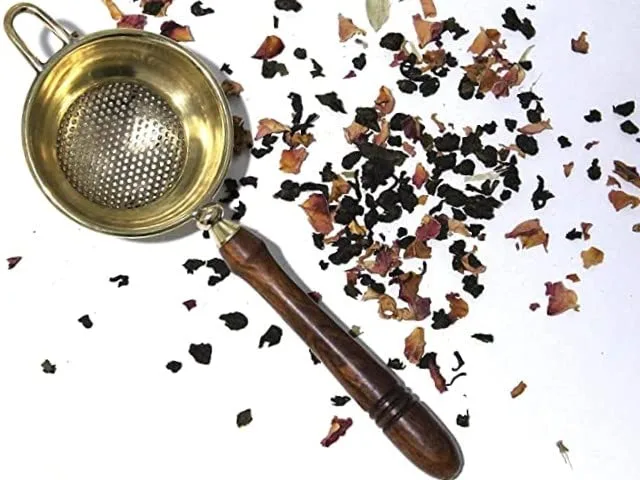
- Brass Wire Tea Strainer: Crafted from high-quality brass wire, it boasts a fine mesh sieve that effectively filters out tea leaves while allowing the full flavor and aroma of the tea to flow through. This strainer is perfect for everyday loose leaf brewing, offering a clean cup without compromising on taste. Its durable construction means it will be a reliable companion for years.
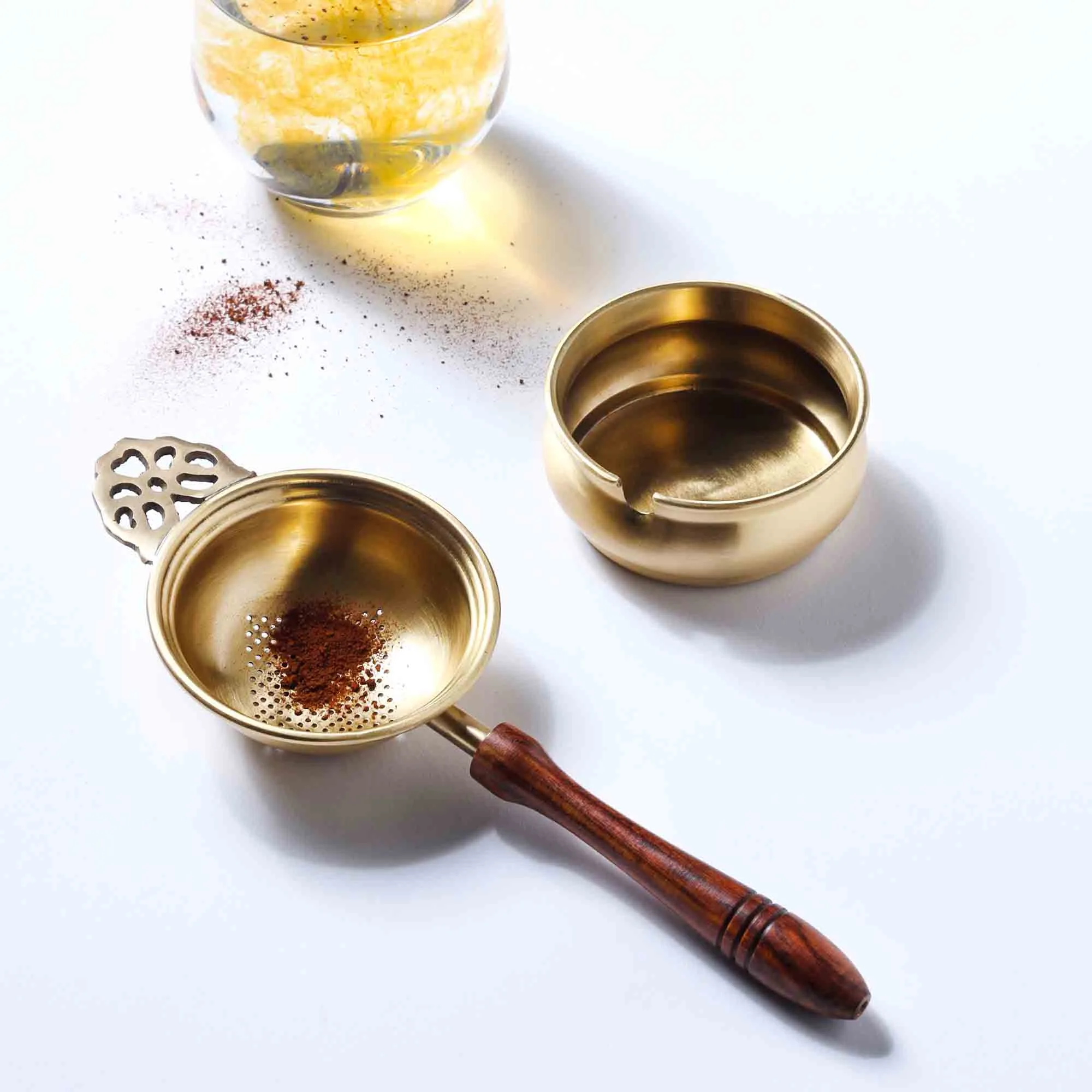
- https://lluviateagx.com/products/brass-tea-strainer-with-bowl-16cc45616b8bdb82b534cf33-774699Brass Tea Strainer with Bowl: A brass tea strainer with bowl is a traditional yet elegant tool used for straining loose tea leaves from brewed tea. It consists of a finely perforated bowl-shaped strainer and a matching bowl to catch the strained tea liquid. The built-in bowl makes it convenient to strain directly into a cup without needing a separate saucer, making it ideal for serving tea to guests or for a tidy brewing station.
- Assam Classic Orthodox Tea (100gm) | Premium Loose Leaf with Antioxidants for Health & Wellness: Sourced from the lush gardens of Assam, renowned for producing some of the finest teas in the world, this exquisite blend captivates with its bold flavor and distinct character. This robust loose leaf tea pairs beautifully with a brass strainer, as its larger leaves are easily caught by the mesh, giving you a strong, smooth cup every time.
Using a brass wire tea strainer is a simple yet satisfying way to enjoy loose leaf tea without the mess. With the right technique and a little care, you'll get a clean, flavorful cup every time—and your strainer will stay beautiful for years. Pair it with a high-quality loose leaf tea like Assam Classic Orthodox for a truly elevated experience.