Quick Answer
To get a better fit, measure your nipple diameter and choose a flange that allows your nipple to move freely without excessive areola pull. Replace or adjust your flange if you feel pain or see friction.
Why Flange Fit Matters
A well-fitting flange helps you pump comfortably and express efficiently. If your flange is too small, your nipple may rub against the tunnel, causing pain. If it's too large, too much areola gets pulled in, which can reduce output.
Many moms assume one size fits all, but nipple size can change over time and even between sessions. Checking your fit regularly helps maintain comfort and milk flow.
Signs You Need a Different Size
Common signs of a poor fit include nipple pain, friction, or redness after pumping, as well as low milk output despite a good letdown. If you notice any of these, re-measure and try a different flange size.
Keep in mind that your nipple size can change during a pumping session, so the flange should accommodate slight swelling without being too loose.
How to Use a Breast Pump Flange: Step-by-Step
- Measure your nipple diameter: Before pumping, measure the diameter of your nipple (not the areola) at the base. Use a ruler or the sizing guide included with your pump. Measure both breasts, as they may differ. Check your size again after a few weeks, as it can change.
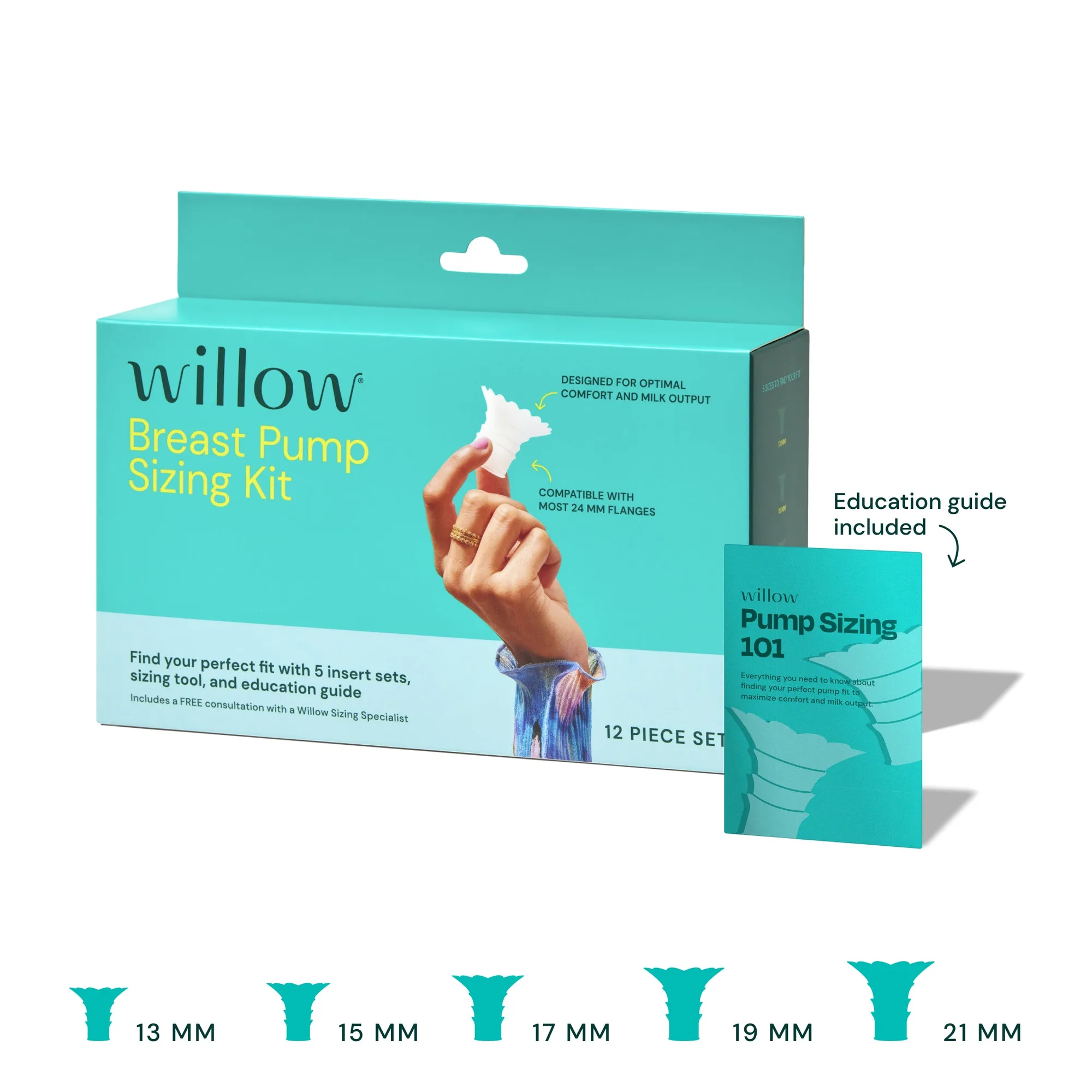
- Choose the correct flange size: Select a flange where your nipple fits comfortably in the tunnel without touching the sides. If your nipple rubs against the tunnel, try a larger size. If too much areola is pulled in, try a smaller size. Most pumps come with a standard size; you may need to buy a different size separately.
- Position the flange correctly: Place the flange centered over your nipple, ensuring the tunnel is straight (not angled). Hold it gently against your breast to create a seal without pressing hard. A proper seal prevents air leaks and improves suction.
- Adjust suction and comfort: Start with the lowest suction setting and increase gradually until you feel a gentle pull. It should not hurt. If it hurts, reduce suction or check the fit. Pain is a sign to stop and re-evaluate the flange size or suction level.
- Monitor your output and skin: After a few sessions, check for any redness, soreness, or changes in output. If you notice issues, re-measure and consider trying a different flange size or using flange inserts for a custom fit. Consistent comfort and output indicate a good fit.
Product Fact
-
BABYGO® Breast Pump Flange: The BABYGO® Breast Pump Flange is a replacement flange made from BPA-free, food-grade material. Using a BPA-free, food-grade flange ensures safe contact with your skin and milk, and replacing a worn flange can restore comfortable pumping.
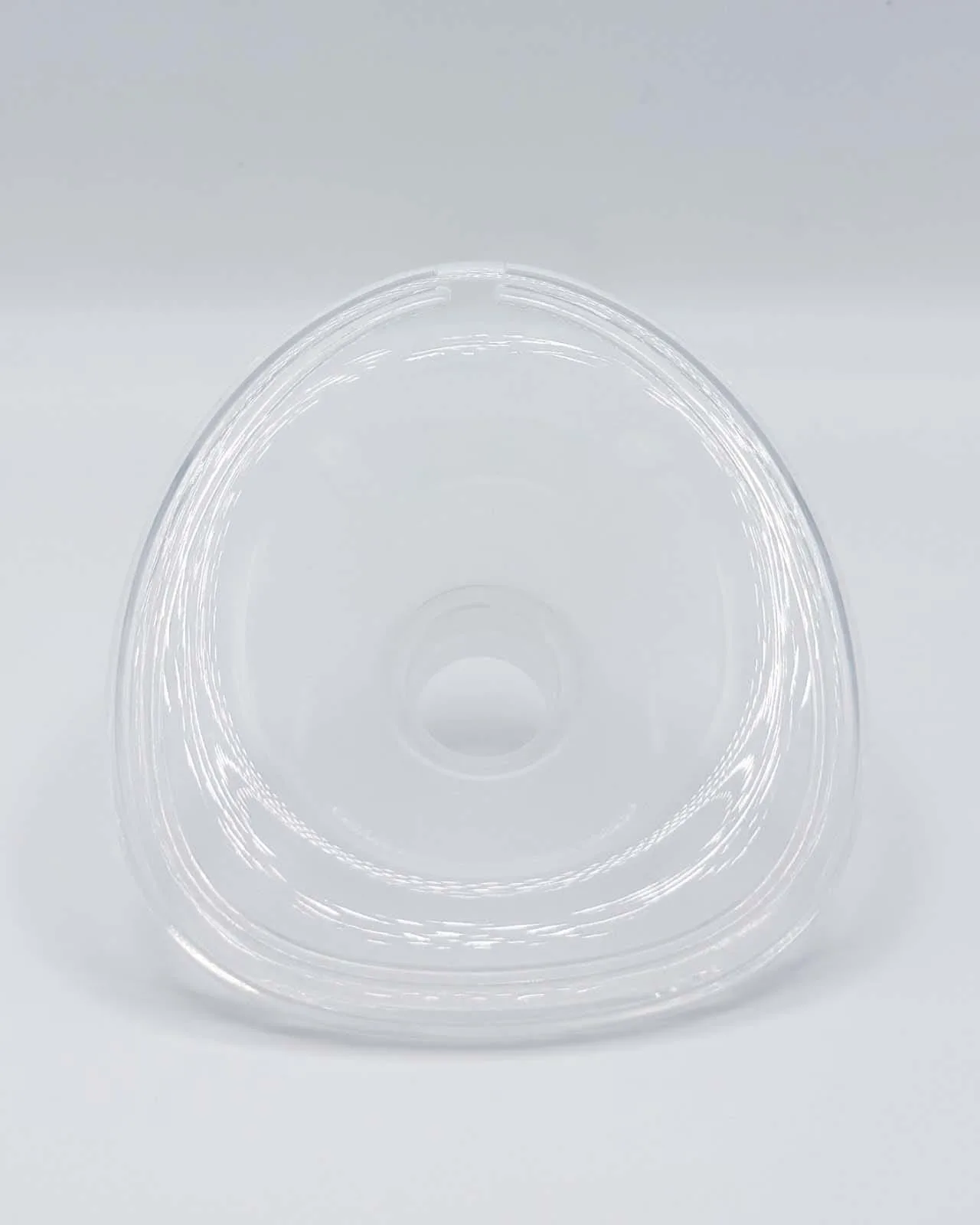
BABYGO® Breast Pump Flange