Why Valve Condition Matters for Pumping
Breast pump valves are small but essential parts that work with the diaphragm to create and maintain suction during expression. When the valve is worn or damaged, suction drops and pumping becomes less efficient. Checking the valve after each session and replacing it regularly helps keep your pump working as intended.
How to Install Breast Pump Valves
Installing a new valve is straightforward. Follow these steps after washing and drying your hands and pump parts.
- 1. Remove the old valve: Gently pull the existing valve away from the diaphragm or back cover of the pump. Take care not to tear the silicone.
- 2. Align the new valve: Take a new valve from your pack and push it firmly onto the diaphragm or back cover until it sits flush. The valve should fit snugly without gaps.
- 3. Test the seal: Before pumping, do a quick seal check. Place your thumb over the valve opening and squeeze the pump handle or turn on the motor. You should feel resistance. If air leaks out, re-seat the valve.
When to Check and Replace Valves
The supplied information recommends checking the valve after each breast pump session. If you notice a drop in suction, milk flowing back toward the pump, or a valve that looks stretched, cracked, or misshapen, it is time to replace it. Valves should be replaced every 4 to 6 weeks to maintain consistent performance. Keep a spare pack on hand so you are never caught without a fresh valve.
Product Facts: Lansinoh Breast Pump Valves
-
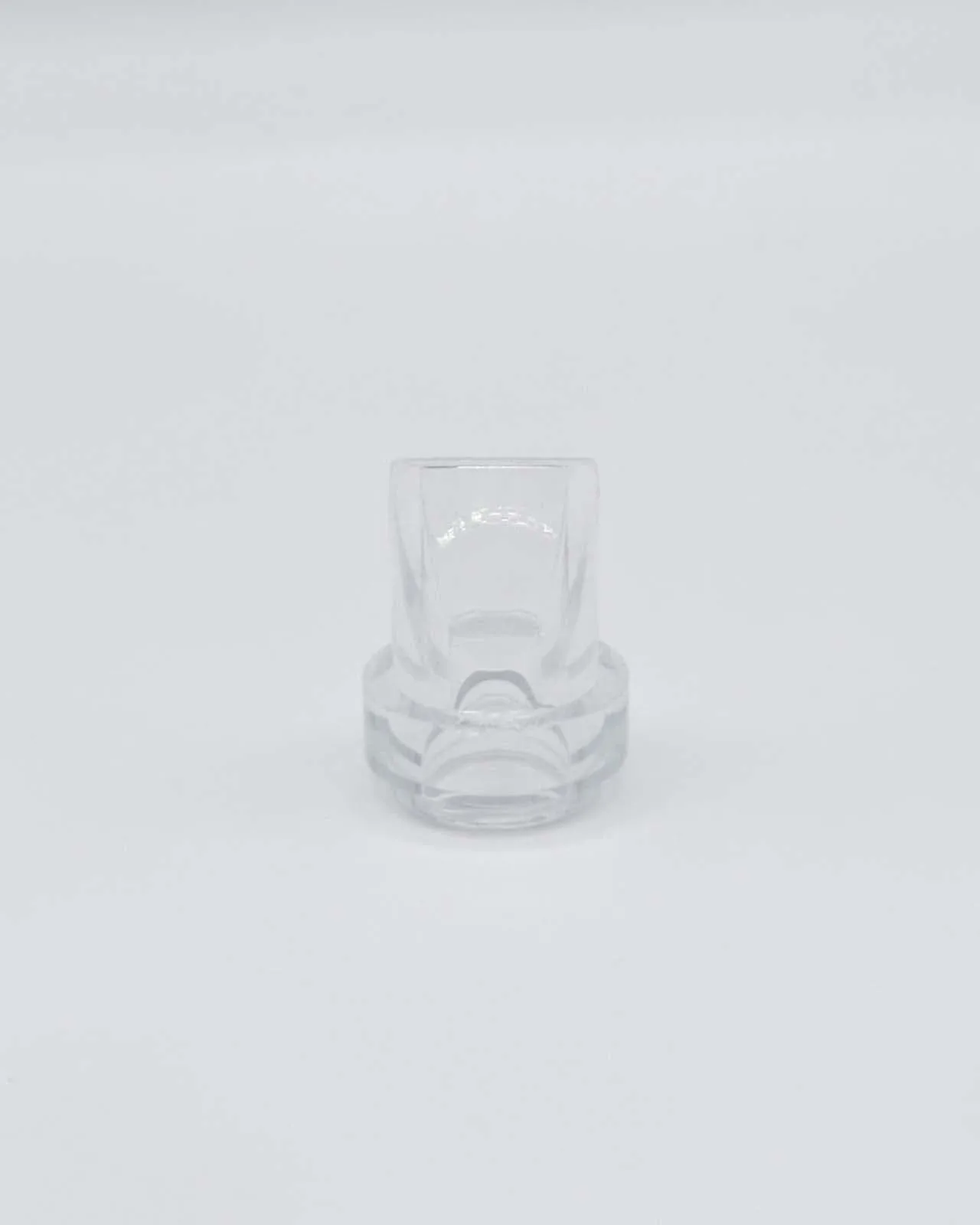
Breast Pump Valves: Works with the diaphragm to ensure proper suction when expressing. Compatible with Lansinoh electric breast pumps except the Wearable Breast Pump. This confirms the valve is a key part of the suction system and will fit most Lansinoh electric pumps, so you can replace it with confidence.
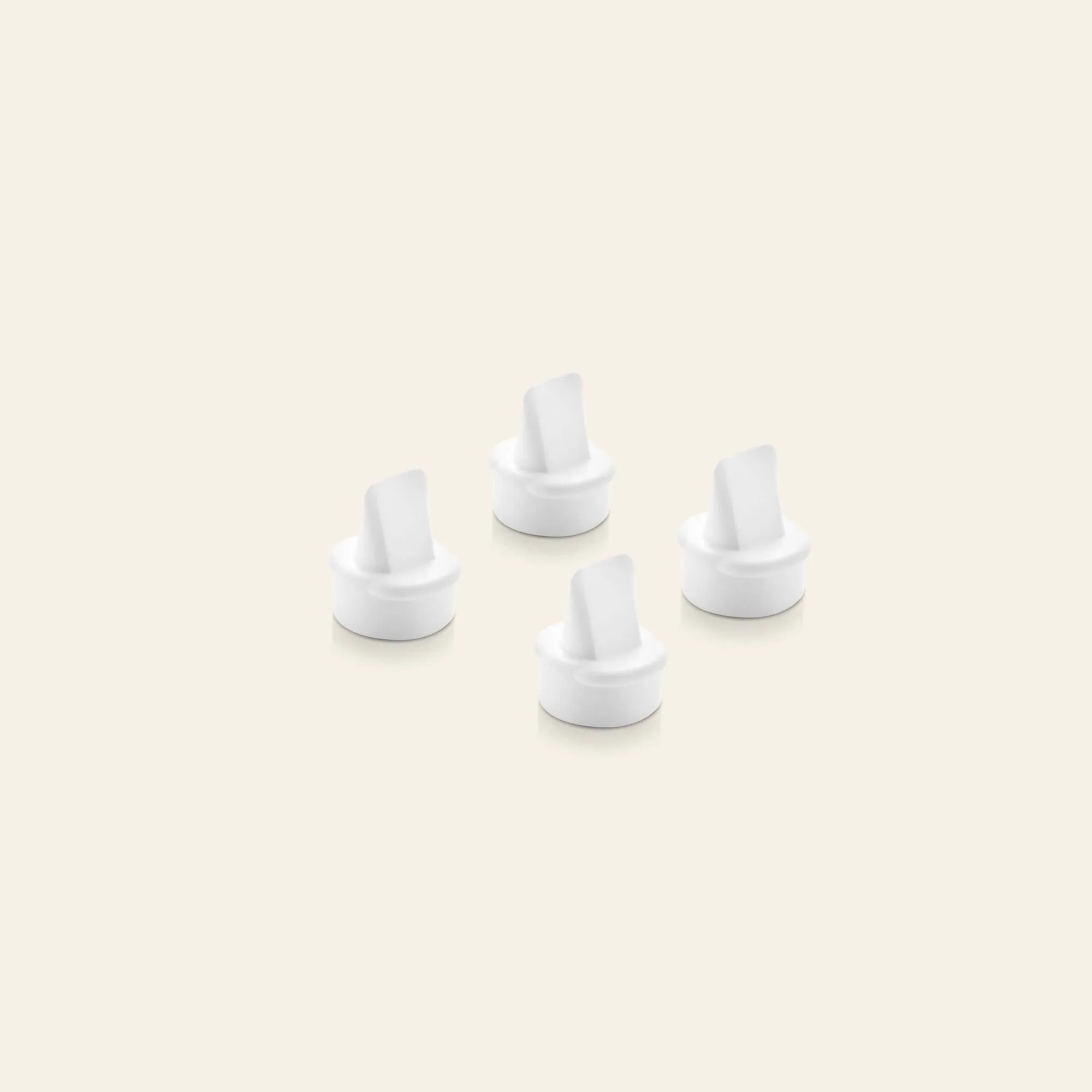
Breast Pump Valves
-
Breast Pump Valves: Valves should be checked after each breast pump session, and should be replaced every 4-6 weeks. Following this schedule helps you avoid unexpected loss of suction and keeps pumping sessions effective.
-
Breast Pump Valves: Sold as a pack of 4 or 8. Having multiple valves means you can replace them as needed and always have a spare ready for the next change.
Quick Maintenance Tips
After each use, rinse the valve with cool water and wash with warm soapy water, then air dry completely before reassembling. Avoid using brushes that could tear the silicone. Store valves away from sharp objects and extreme heat. Because opened valve packs cannot be returned for hygiene reasons, check the compatibility and size before opening the sealed package.