A magnet you can check before you cap the bottle
The Breastmilk Storage Guide Magnet is a small magnetic chart that lists recommended human milk storage temperatures and storage times, based on CDC standards. In a lactation room, its job is simple: keep that reference visible at the counter where you pump, label, and pack milk, so you can check it before milk goes into the fridge, freezer, or a bag for later.
Because it is magnetic, it can sit on a fridge door or another steel surface in the room. The supplied information does not include dimensions, adhesive strength, or a full temperature-by-temperature chart, so treat the magnet as a visible reference and confirm the specific times on the chart itself before relying on them.
What the magnet actually provides
-
Breastmilk Storage Guide Magnet: A convenient magnetic guide that clearly communicates recommended human milk storage temperatures and storage times, based on CDC standards. This is the core function: a quick visual reference for storage temperature and time, not a tracker or a substitute for your own labeling.
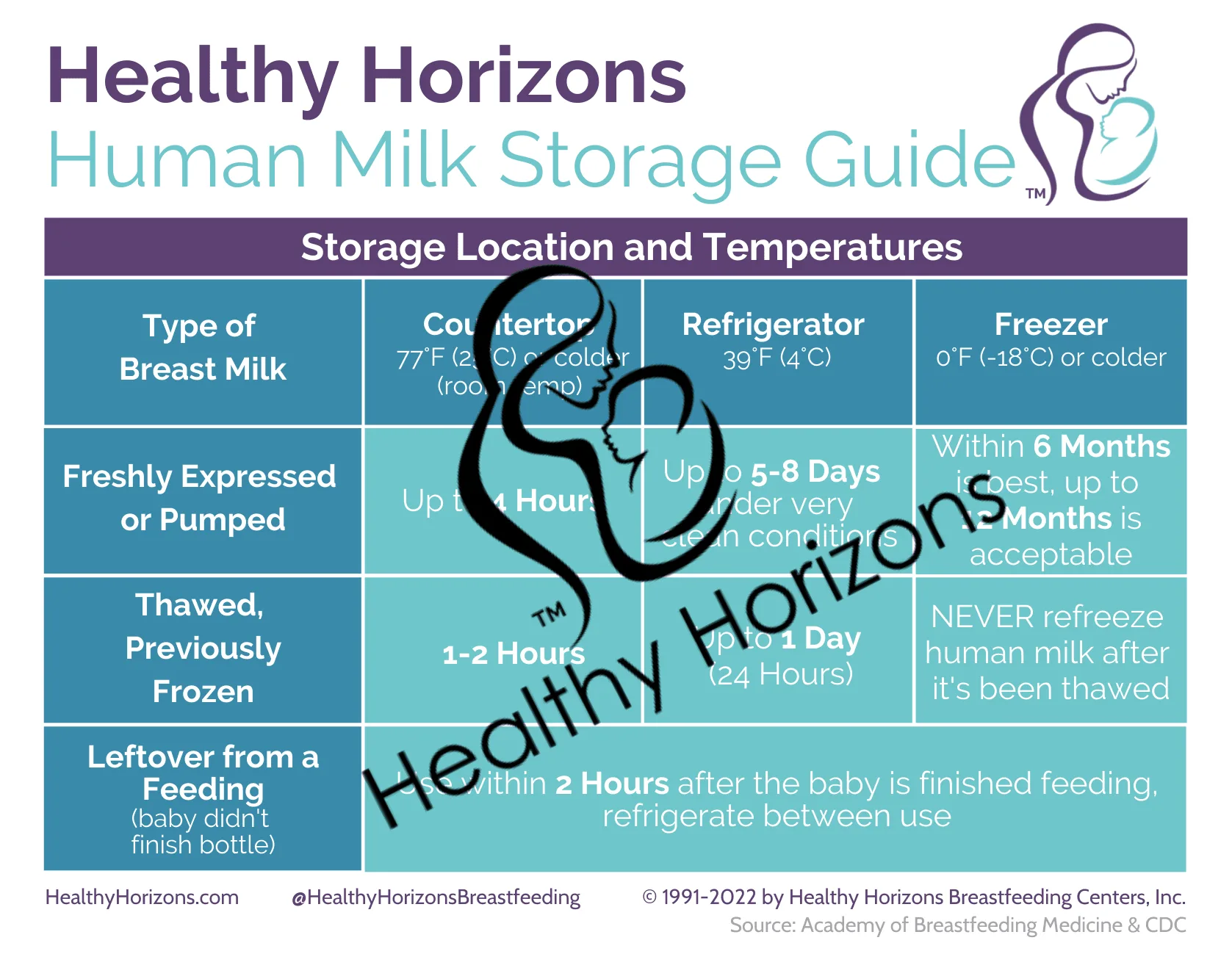
Breastmilk Storage Guide Magnet
Set it up where the storage decision happens
Place the magnet before you need it, not after milk is already in hand. The goal is to make the chart part of your normal pumping routine.
- Choose a steel surface at eye level: The lactation room fridge door is the most logical spot because that is where milk is stored. A metal cabinet or whiteboard frame also works if it is magnetic and visible from the pump station. The supplied information does not confirm compatibility with non-steel surfaces.
- Put it near your labels and bags: Keep the magnet beside the spot where you write dates and times on storage bags or bottles. That way the storage times chart is in view at the moment you record when milk was pumped.
- Read the chart before the first pump of the day: Take a moment to look at the temperature and time categories on the magnet so you know which zone your milk will go into: room temperature, refrigerator, or freezer.
- Check the magnet after cleaning the room: If you wipe down the fridge or cabinet, make sure the magnet is still in place and readable. The supplied information does not include cleaning instructions for the magnet, so avoid harsh cleaners on the printed surface.
Using the chart for the three storage decisions
The magnet groups guidance by storage temperature and time. Use it at three points in your routine.
- How long can breast milk sit out?: Check the room-temperature row on the magnet before leaving a bottle on the counter. The chart is based on CDC standards, but the supplied information does not list the exact hour limits, so read the magnet itself rather than guessing.
- Breast milk fridge storage guide: Before placing milk in the refrigerator, confirm the recommended refrigerator temperature and time range on the magnet. Keep the magnet on the fridge door so the check is automatic.
- Freezer storage: If you are freezing milk, check the freezer row on the magnet first. The supplied information does not specify freezer types or exact limits, so use the chart as printed.
What the magnet does not do
The Breastmilk Storage Guide Magnet is a reference, not a thermometer, timer, or inventory log. It does not tell you the current temperature of your fridge or confirm that a specific bottle is still safe. The supplied information does not include a full chart, care instructions, or dimensions, so if you need those details, check the product listing or the CDC guidance the magnet is based on.
It also does not replace your own date and time labels. The magnet helps you remember the recommended windows; your labels tell you when each bottle was pumped.
A small addition that keeps storage guidance visible
For a lactation room, the value of the Breastmilk Storage Guide Magnet is visibility. It puts a CDC-based storage times chart on the fridge instead of buried in a phone or binder. Pair it with consistent labeling, and you have a simple checkpoint before milk is chilled, frozen, or packed for later.