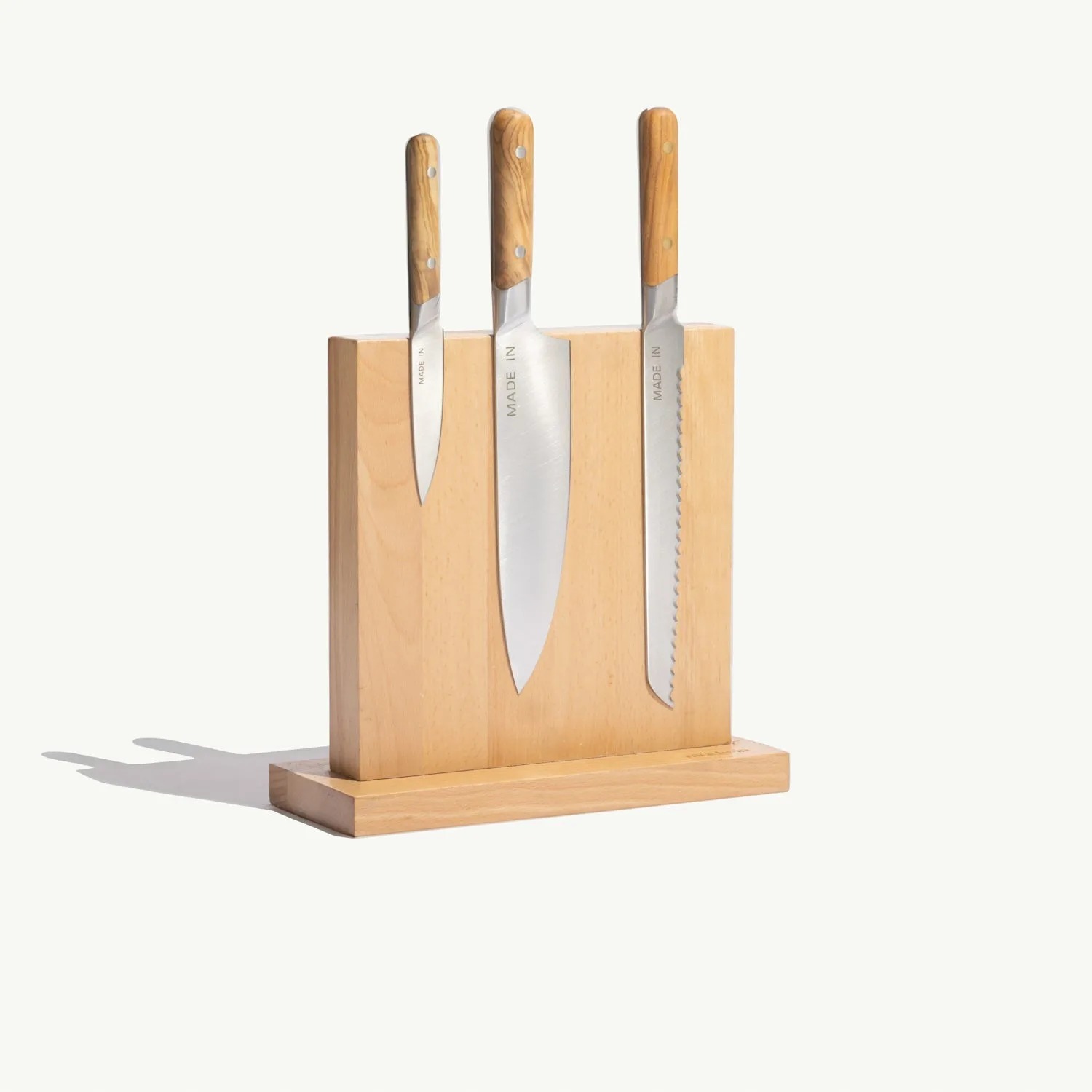
A https://kindaero.store/products/butcher-block-set-97321butcher block set is more than just a place to store your knives — it’s a functional centerpiece that keeps your blades sharp and your countertop organized. Whether you’ve just unboxed a new kitchen block set or are looking to extend the life of a wooden cutting board, understanding how to use and maintain it properly makes all the difference. In this guide, we’ll walk you through the essentials of knife storage, cutting board care, and butcher block maintenance so you can get the most out of your investment.
Butcher block sets typically combine a hardwood block with slots for knives and sometimes a built-in sharpener or cutting board. The wood itself requires a bit of attention — it’s porous, can absorb moisture, and can crack if not cared for. But with the right habits, your butcher block set will stay beautiful and functional for years. Let’s dive into the specifics.
Choosing the Right Butcher Block Set for Your Kitchen
When selecting a butcher block set, consider the size of your knife collection and the space on your counter. A compact block with slots for 5–7 knives works well for smaller kitchens, while a larger block can hold a full set plus scissors and a sharpening rod. Look for blocks made from hardwoods like acacia, walnut, or maple — these resist warping and are gentle on blade edges. Avoid blocks with painted or varnished surfaces, as they can chip and are not food-safe.
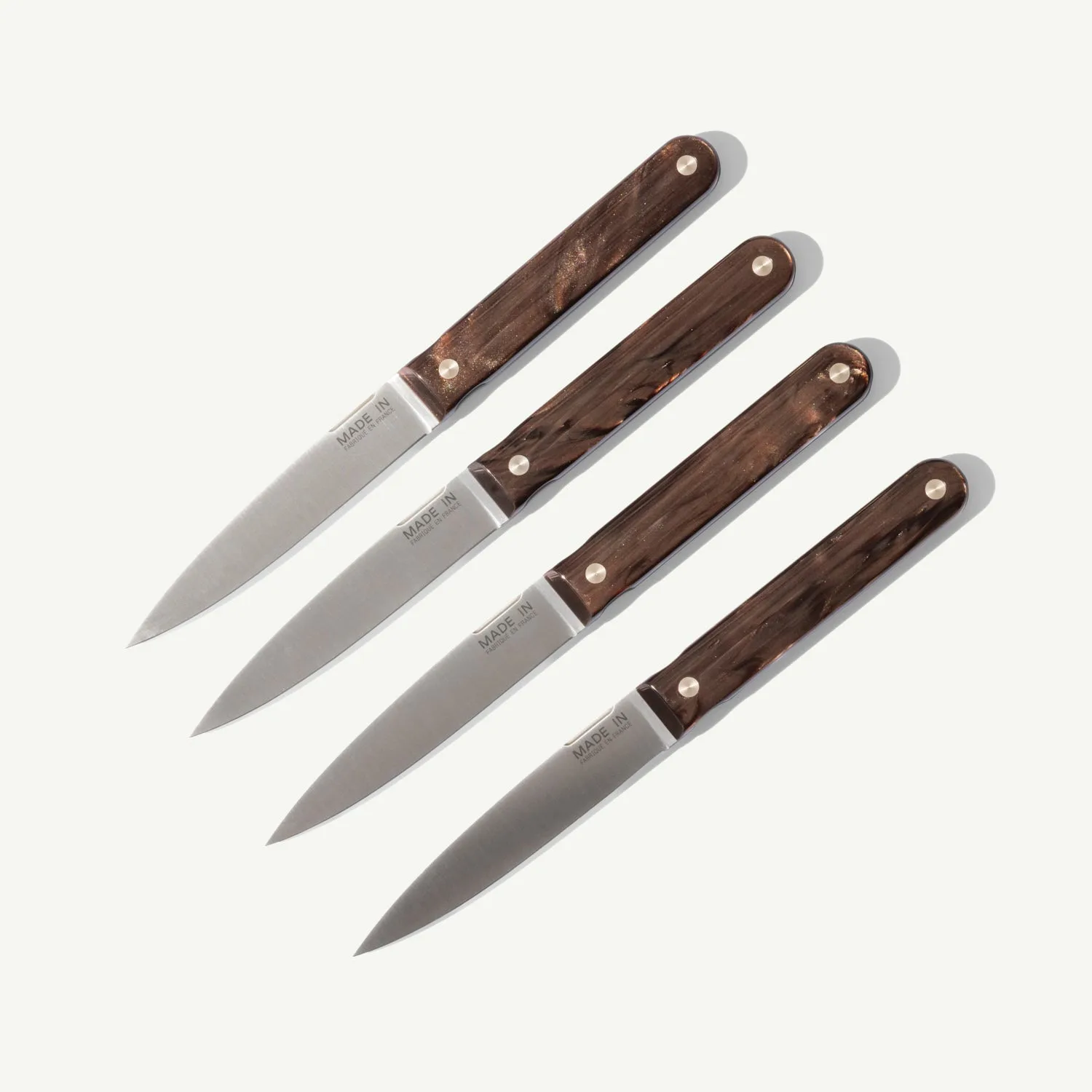
Some kitchen block sets include a built-in knife sharpener or a slot for a honing steel. If you prefer to sharpen separately, a simple block with well-spaced slots is fine. Also check that the block has a stable base — you don’t want it tipping over when you pull out a knife. For those who want a matching aesthetic, many butcher block sets pair with a wooden cutting board or a set of https://kindaero.store/products/steak-knives-97240https://kindaero.store/products/steak-knives-97296steak knives for a cohesive look.
- Measure your counter depth before buying — a block that’s too deep can feel awkward.
- If you have a mix of blade lengths, look for slots that accommodate 8-inch chef knives and smaller paring knives.
Proper Knife Storage: How to Use the Block Safely and Effectively
Using a butcher block set correctly starts with inserting knives blade-first into the slots. Always grip the handle and guide the blade straight down — never force a knife into a slot that’s too tight, as this can damage the edge or the block. For knives with wider blades, like a cleaver, check that the slot width matches. Most blocks have designated slots for each knife type, so arrange your set logically: chef knife in the widest slot, paring knife in a narrow one.
One common mistake is storing knives with wet blades. Moisture trapped in the slot can lead to rust on carbon steel blades and encourage mold growth in the wood. Always dry your knives thoroughly before returning them to the block. Also, avoid overloading the block — if a slot is empty, leave it empty rather than stacking two knives in one slot. This preserves the block’s structure and keeps your knives accessible.
- Rotate knives occasionally so the same slot doesn’t wear unevenly.
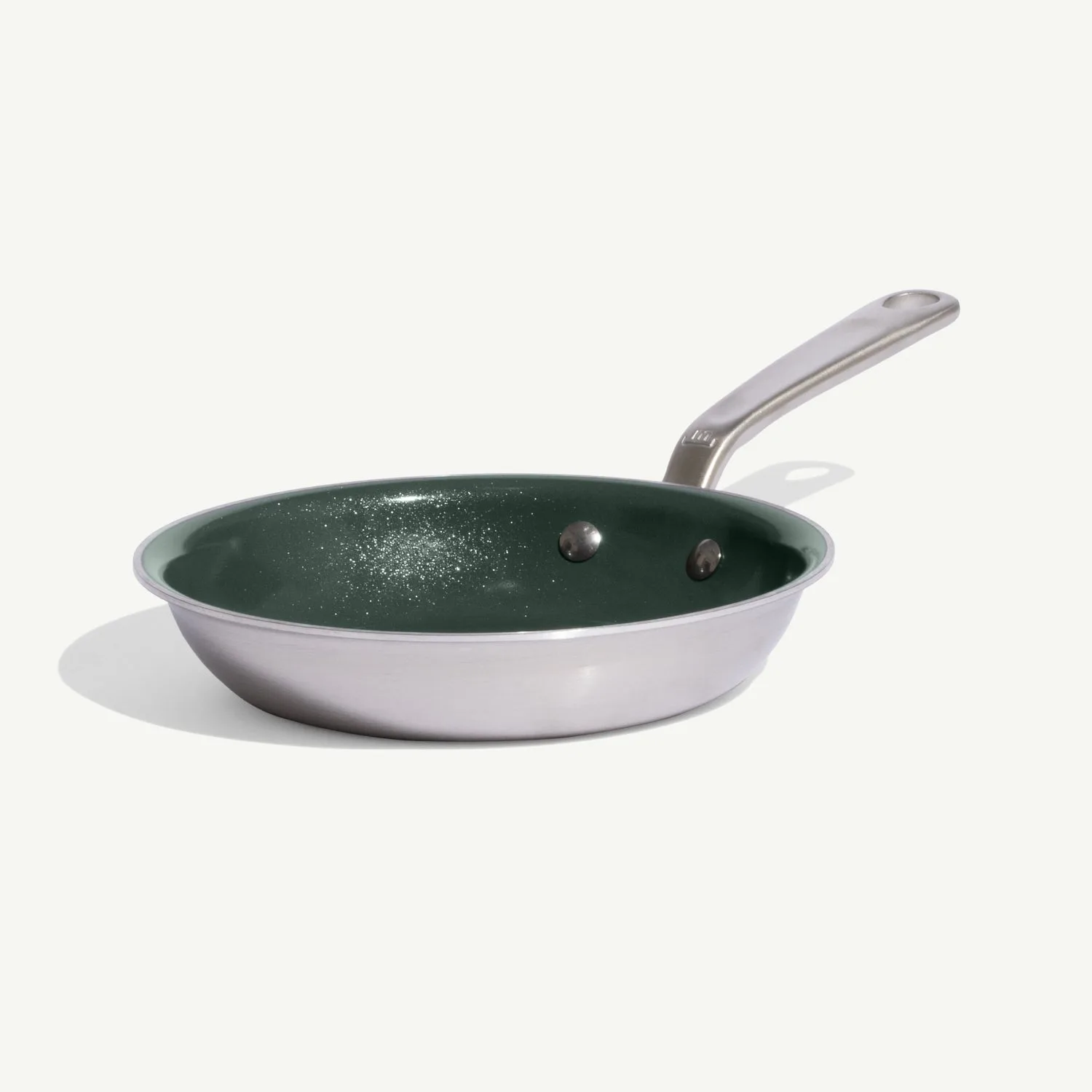
- If you own a Seasoned Carbon Steel Frying Pan Set, keep the block away from the stovetop to avoid heat and steam exposure.
Cutting Board Care: Keeping Your Wooden Surface in Top Shape
If your butcher block set includes a wooden cutting board or you use a separate board, care is similar. Wooden cutting boards need regular oiling to prevent drying and cracking. Use food-grade mineral oil or beeswax-based conditioner — apply a thin layer, let it soak in for a few hours, then wipe off excess. Do this every 3–4 weeks, or more often if the board looks dry. Avoid using olive or vegetable oils, which can go rancid.
After each use, wash the board with hot, soapy water and dry it immediately with a towel. Never soak a wooden board or put it in the dishwasher — the heat and moisture will cause warping and splitting. For stubborn stains or odors, scrub with coarse salt and half a lemon. This natural method lifts stains without harsh chemicals. If your board develops deep knife grooves, sand it lightly with fine-grit sandpaper and re-oil to restore a smooth surface.
- Use separate boards for raw meat and produce to avoid cross-contamination.
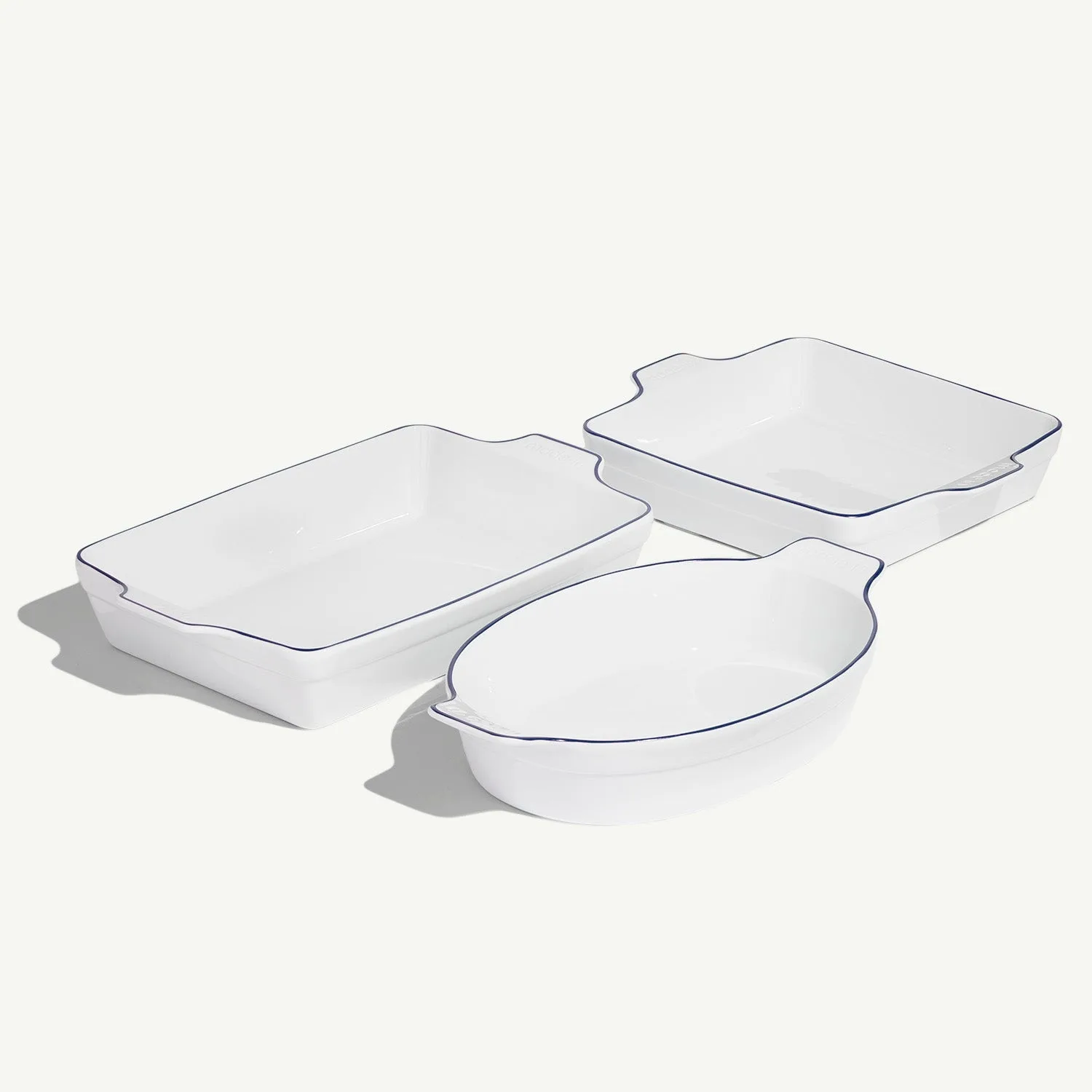
- An 8x8 Baking Dish makes a great tool for soaking small cutting boards in a vinegar solution for deep cleaning.
Butcher Block Maintenance: Cleaning, Oiling, and Repairing
Butcher block maintenance goes beyond the cutting board. The block itself needs occasional cleaning to remove dust and grease. Wipe it down with a damp cloth and mild soap, then dry immediately. Every few months, apply a light coat of mineral oil to the block’s exterior to keep the wood hydrated. Avoid using spray cleaners or abrasive pads, which can strip the finish and leave scratches.
If your block develops cracks or the slots become loose over time, don’t panic. Small cracks can be filled with wood filler or beeswax, then sanded smooth. For loose slots, a dab of wood glue inside the slot can tighten the fit — just let it dry fully before inserting knives. If the block sits on a counter that gets direct sunlight, consider moving it to a shaded spot, as UV rays can fade and dry out the wood. With consistent care, your butcher block set will remain a reliable part of your kitchen for decades.
- Keep the block away from dishwashers and sinks to avoid moisture damage.
- If you own an 8 Inch Chef Knife, store it in the designated slot with the blade facing down to protect the edge.
A butcher block set is a practical and attractive addition to any kitchen, combining knife storage with a durable work surface. By choosing the right block, storing knives correctly, and following simple cutting board care and butcher block maintenance routines, you’ll protect your blades and keep your wood looking great. Whether you’re a weekend cook or a daily chef, these habits ensure your kitchen block set serves you well for years to come.