Why Combine Cable Cord, Rings, and Tieback Holders?
Using cable cord, plastic rings, and tieback holders together gives you a flexible system for managing curtains. The cord becomes a covered piping or a sturdy drawstring, rings let curtains glide on a rod or gather into shades, and holders keep tiebacks neatly in place. This approach works for café curtains, Roman shades, balloon shades, and standard draperies where you want a custom fit without sewing complicated hardware.
What Each Component Offers
-
9/32" Cable Cord, White: The Dritz Home Cable Cord White is made of 100% polyester and can be used as cording in outdoor gear, sportswear, and upholstery. It is machine washable and dry cleanable. Polyester cord holds up to repeated washing and can be covered with fabric to make matching piping or welting for pillows, curtains, and upholstery.
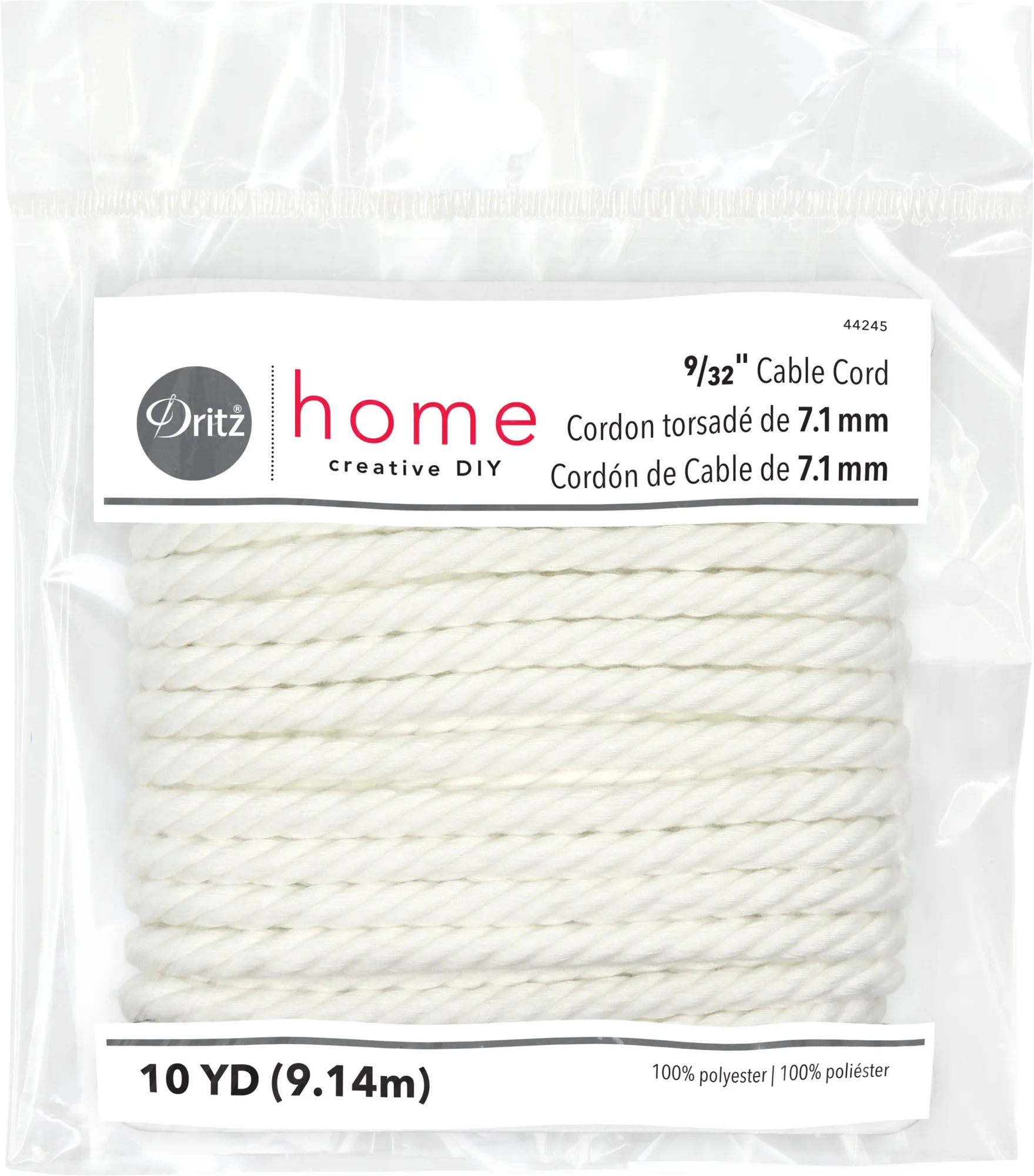
9/32" Cable Cord, White
-
1/2" Plastic Rings, 24 pc: The Dritz Home Plastic Rings (1/2", 24 pc) are made of high-quality plastic and can be used on rods for tiebacks, café curtains, Roman, Austrian, and balloon shades. Plastic rings are lightweight, corrosion-free, and available in white or clear to blend with most rod finishes.
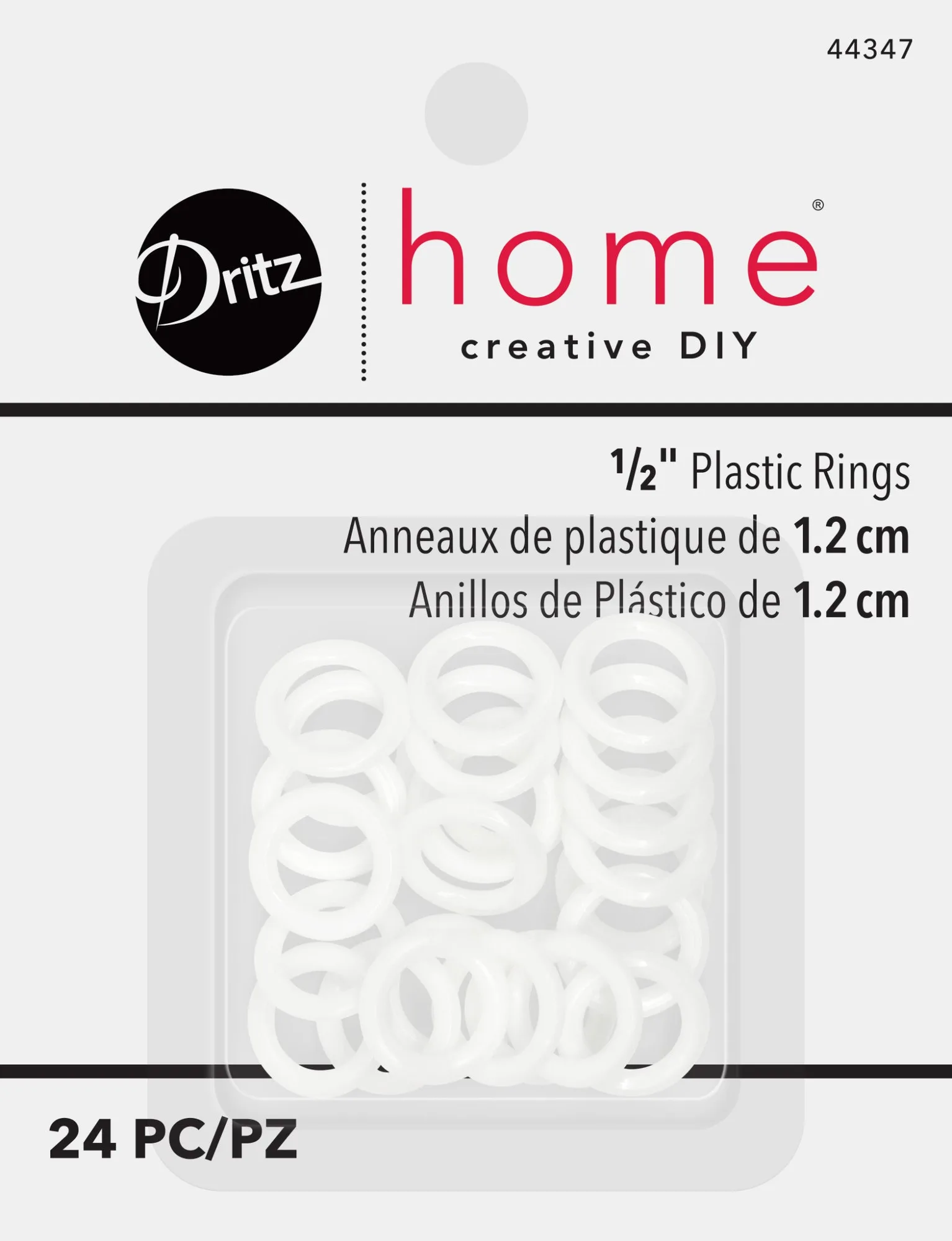
1/2" Plastic Rings, 24 pc
-
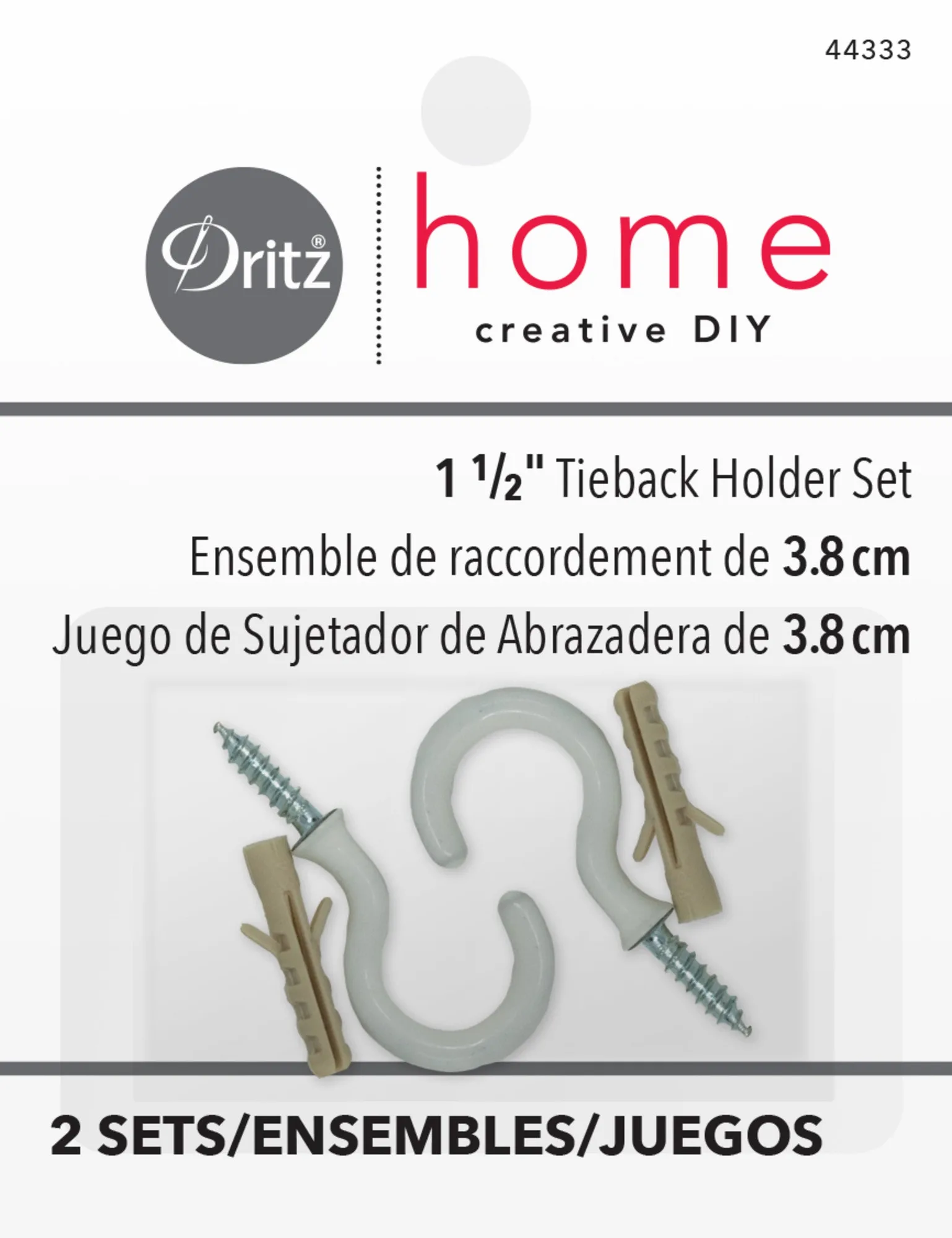
1-1/2" Tieback Holder Set, White, 2 Sets: The Dritz Home 1-1/2" Tieback Holders (2 sets) include wall anchors and screw into place to keep tiebacks in position. These holders give you a fixed anchor point so tiebacks stay put, even when curtains are opened and closed frequently.
How to Make a Fabric-Covered Tieback with Cable Cord
Covering cable cord with fabric creates a custom tieback that matches your curtains exactly. The Dritz Home Cable Cord is 100% polyester, so it holds its shape and can be washed if needed.
- Cut and prepare the cord: Measure the desired tieback length around your gathered curtain, then cut the cable cord to that length plus a few inches for knotting. Knot both ends to prevent raveling.
- Cover with fabric: Cut a fabric strip wide enough to wrap the cord and long enough to cover it. Fold the strip around the cord, right side out, and sew close to the cord using a zipper foot. Trim seam allowance close to stitching.
- Attach rings or hooks: Sew a plastic ring (such as the Dritz 1/2" Plastic Rings) to each end of the covered cord, or use the cord itself as a loop that hooks onto the tieback holder.
- Install the tieback holder: Screw the Dritz Tieback Holder into the wall at your desired height using the included wall anchors. Loop the covered cord around the curtain and hook it onto the holder.
Using Plastic Rings for Curtain Styles
Plastic rings work with several drapery styles. Here's how to use them for common treatments.
- Café curtains: Thread the rings onto a tension rod or decorative rod, then clip or sew the curtain to the rings. The 1/2" size fits most standard rods.
- Roman shades: Sew rings at regular intervals along the back of the shade fabric. Run a cord through the rings to create the lift mechanism.
- Balloon or Austrian shades: Attach rings to the back of the fabric at the bottom edge. When you pull the cords, the fabric gathers into soft puffs.
Trade-Offs to Keep in Mind
Cable cord is sturdy but may show through lightweight fabrics unless covered. The 9/32" diameter works best for medium-weight home decor fabrics. Plastic rings are lightweight and won't rust, but they may not support very heavy drapery panels—for those, consider metal rings. Tieback holders require wall anchors (included) and a screwdriver; they are not suitable for hollow-core doors without additional hardware. Always test the weight of your curtain before committing to a ring size.