Quick Answer
To use a callus remover gel effectively, soak your feet, apply the gel to thick, rough areas, and let it work before gently buffing away dead skin. For best results, combine it with a urea cream like Ebanel's Liposomal Retinol Moisturizer to keep skin soft and prevent calluses from returning.
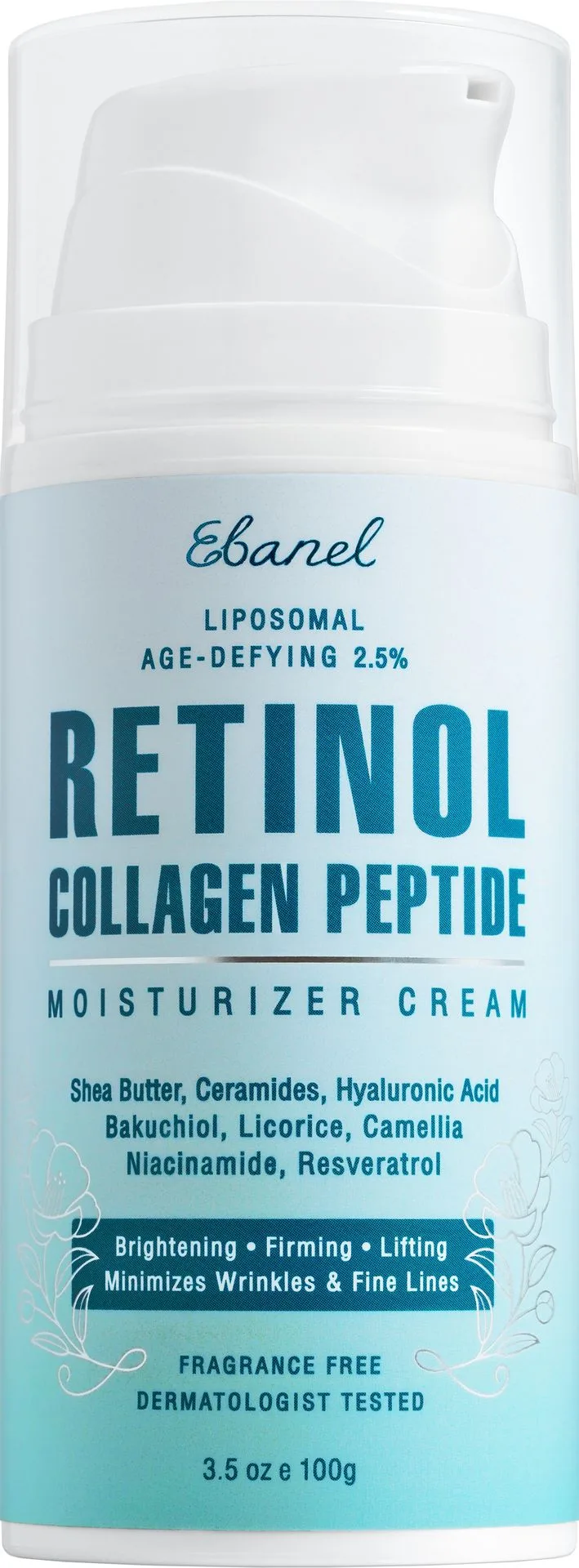
Liposomal Retinol Moisturizer
Calluses and cracked heels are common foot problems that can be unsightly and uncomfortable. While professional pedicures are a treat, you can achieve baby-soft feet at home with the right products and technique. This guide walks you through a simple, effective home pedicure using a callus remover gel and moisturizing treatments.
Whether you're dealing with thick calluses on your heels or rough patches on the balls of your feet, consistency is key. With the right steps, you can soften, exfoliate, and hydrate your feet for smooth, healthy-looking skin.
Why Calluses Form and How to Treat Them
Calluses develop as a protective response to repeated friction or pressure. They often appear on the heels, balls of the feet, or sides of the toes. While they're not harmful, they can become painful or cracked if left untreated. Regular exfoliation and moisturizing are essential for managing them.
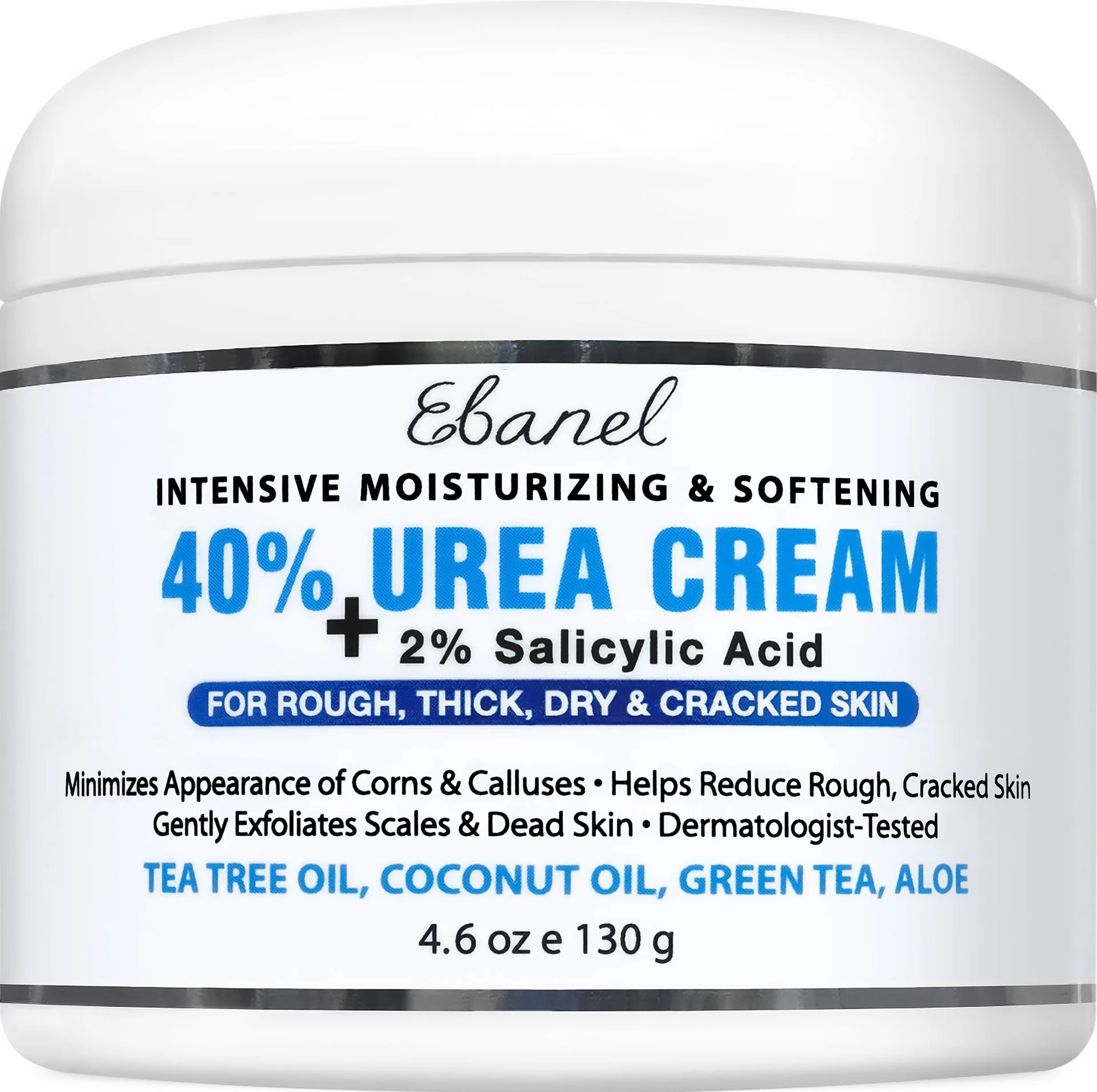
A callus remover gel typically contains exfoliating acids that break down the bonds between dead skin cells, making it easier to slough them off. For stubborn calluses, products containing urea are highly effective because urea softens the keratin in the skin, making it easier to remove dead tissue.
- Soak your feet in warm water for 10-15 minutes before applying the gel to soften the skin.
- Apply the gel only to thick, rough areas, avoiding healthy skin.
- Follow up with a moisturizer or urea cream to keep the skin hydrated.
Choosing the Right Callus Remover
When selecting a callus remover gel, look for ingredients like alpha-hydroxy acids (AHAs) or urea. AHAs, such as glycolic acid, exfoliate the surface, while urea penetrates deeper to soften and hydrate. Products like Ebanel's 30% AHA + 2% BHA Chemical Peeling Gel can be used on feet, but they are strong and should be used with caution on sensitive skin.
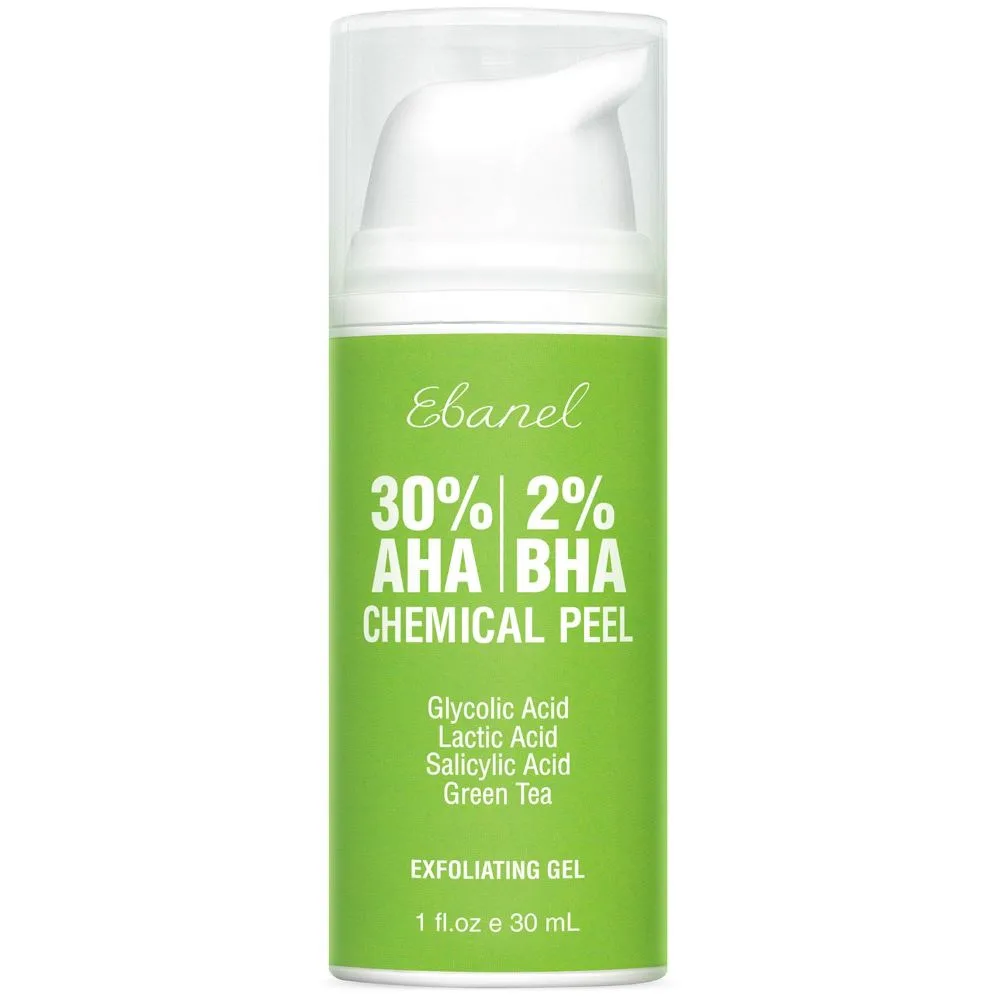
30% AHA + 2% BHA Chemical Peeling Gel
For a gentler option, consider a product specifically formulated for feet, or use a urea-based cream as part of your daily routine. Urea not only softens calluses but also helps prevent them by keeping the skin supple and reducing dryness.
- Always patch test a new product on a small area of skin before applying it to your feet.
- Avoid using strong chemical peels on broken or irritated skin.
Step-by-Step Home Pedicure with Callus Remover Gel
Follow these steps for a safe and effective home pedicure. You'll need a callus remover gel, a pumice stone or foot file, a basin of warm water, and a rich moisturizer or urea cream.
Start by soaking your feet to soften the skin. Then apply the callus remover gel to the affected areas, wait the recommended time, and gently buff away the dead skin. Rinse, dry, and finish with a moisturizer to lock in hydration.
- Don't overdo it: exfoliating too aggressively can damage healthy skin.
- Use a foot file or pumice stone in one direction to avoid irritation.
Step-by-Step Home Pedicure
- Step 1: Soak Your Feet: Fill a basin with warm water and soak your feet for 10-15 minutes to soften the skin and make calluses easier to remove. Checkpoint: Skin should feel slightly soft but not wrinkled.
- Step 2: Apply Callus Remover Gel: Apply the gel to thick, rough areas only, following the product's instructions. Avoid healthy skin and open wounds. Common mistake: Applying too much or leaving it on too long can irritate skin. Always follow the label.
- Step 3: Gently Buff Away Dead Skin: After the gel has worked, use a pumice stone or foot file to gently buff away the loosened skin. Use light pressure and circular motions. Checkpoint: Stop if you see redness or feel pain—you're over-exfoliating.
- Step 4: Rinse and Dry: Rinse your feet with clean water and pat them dry with a towel, paying attention to the spaces between your toes. Common mistake: Leaving feet damp can lead to fungal infections. Dry thoroughly.
- Step 5: Moisturize and Seal: Apply a rich moisturizer or urea cream to your feet, massaging it in to help soften the skin and maintain hydration. For best results, apply moisturizer while skin is still slightly damp to lock in moisture.
- Step 6: Repeat Regularly: For persistent calluses, repeat this process 2-3 times a week, and use a daily moisturizer to prevent them from building up again. Consistency is key: regular care prevents calluses from becoming thick and painful.
Products That Help with Foot Care
- 30% AHA + 2% BHA Chemical Peeling Gel: This 30% AHA + 2% BHA Gel Peel helps achieve smoother, softer, and more radiant skin. Specially formulated to cleanse and unclog pores, exfoliate dead skin cells, and helps minimize the appearance of dark spots, acne scars, fine lines, and wrinkles. Not for hypersensitive skins. This peel can be used on feet to exfoliate thick calluses, but it's strong—so use it sparingly and only on tough areas, not on broken skin.
- Liposomal Retinol Moisturizer: This retinol moisturizer effectively reduces the appearance of fine lines and wrinkles while evening out and brightening skin tone. It softens skin texture and restores skin barrier, and helps visibly reduce the appearance of acne scars and dark spots. Suitable for face, neck, hand, and body. Although not a foot-specific product, its skin-softening and barrier-restoring properties make it a good daily moisturizer for feet, helping to prevent calluses from returning.
With a reliable callus remover gel and a simple routine, you can keep your feet smooth and healthy at home. Remember to be gentle, moisturize daily, and choose products that suit your skin type. For extra stubborn calluses, a urea-based cream or a gentle chemical peel can make a big difference. Start your home pedicure routine today and enjoy baby-soft feet.