Quick Answer
To use a candle to complement your perfume, choose a candle with notes that echo or support your fragrance, light it in the same room where you'll be, and let the two scents blend gradually. Start with a short burn time and adjust placement to avoid overwhelming the space.
A scented candle and your favorite perfume can work together to create a signature atmosphere that feels personal and inviting. The trick is to treat them as partners, not competitors: the candle sets the mood of the room while your fragrance adds a closer, more intimate layer.
At BDK Parfums, the house is known for refined haute parfumerie, and the same care extends to its home fragrance offerings. Whether you're using a candle to prepare for guests, unwind after work, or simply enjoy your fragrance in a new way, these steps will help you pair them effectively.
Why Pair a Candle with Your Perfume?
Layering scents between your skin and your home creates a cohesive sensory experience. When a candle shares or complements the notes of your perfume, the two reinforce each other: the candle fills the room with a subtle base, while your perfume provides a more personal, evolving scent on your skin.
This approach is especially useful for occasions. For a dinner party, a candle with warm, amber-like notes can set a welcoming tone that echoes the sophistication of a fragrance like Rouge Smoking. For a quiet evening, a softer floral candle might mirror the elegance of Bouquet de Hongrie without competing for attention.
- Choose a candle with a scent family that matches your perfume's dominant notes (floral, amber, woody, etc.).
- Consider the size of the room: larger spaces may need a stronger candle, while smaller rooms require a lighter touch.
- If you're new to layering, start with a candle that has a single, simple note to avoid clashing.
How to Choose the Right Candle for Your Fragrance
The key is to find a candle that doesn't overpower your perfume. A good rule of thumb is to pick a candle with a lighter concentration than your fragrance. For example, if you're wearing an eau de parfum like 312 Saint-Honoré, look for a candle with fresh, airy notes that won't compete with the perfume's lasting presence.
You can also use a candle to extend the life of your fragrance. If your perfume has a strong opening but fades quickly, a candle with matching base notes can help maintain the scent in the room, so you still catch whiffs of it even as the perfume settles on your skin.
- Match the intensity of the candle to the occasion, not just the perfume.
- If your perfume is already bold, choose a more subtle candle to avoid sensory overload.
- Consider the season: fresh, green candles suit spring, while spiced or woody candles work well in autumn and winter.
Setting the Scene: Where to Place Your Candle
Placement affects how the candle and perfume interact. A candle on a coffee table will scent the area around it, while a candle on a mantle or shelf can create a more diffuse effect. Think about where you'll be sitting or moving, and position the candle so its scent reaches you without being directly under your nose.
Also consider the airflow. Avoid placing a candle near an open window, fan, or air vent, as drafts can make the flame flicker and carry the scent unevenly. A stable, still environment lets the candle burn cleanly and release its fragrance gradually.
- Keep candles away from flammable materials and never leave them unattended.
- For a dinner table, place the candle at the center or slightly off to the side to avoid distracting from conversation.
- In a bedroom, place the candle on a dresser or nightstand, but not too close to fabrics or curtains.
Timing Your Candle Burn for Best Effect
The timing of your candle burn can influence how well it complements your perfume. Light the candle about 15–20 minutes before you apply your perfume or before guests arrive. This gives the wax time to melt and release its fragrance, so the room is already scented when you enter.
For a longer event, burn the candle in intervals rather than continuously. A common mistake is leaving a candle burning for hours, which can cause the scent to become cloying. Instead, burn it for 30–60 minutes, extinguish it, and relight later if needed. This also helps the candle last longer.
- Trim the wick to about 1/4 inch before each burn to ensure a clean, even flame.
- Allow the wax to melt to the edges on the first burn to prevent tunneling.
- If you're using a candle and perfume for a special occasion, time the candle lighting to align with the moment you want the scent to peak.
Step-by-Step: How to Use a Candle to Complement Your Perfume
- Step 1: Choose a complementary candle: Select a candle whose scent family aligns with your perfume's main notes. If your fragrance is floral, opt for a floral or soft powdery candle; if it's amber or spicy, look for warm, woody notes. The goal is harmony, not duplication. Checkpoint: If the candle's scent is stronger than your perfume, it may overwhelm it—choose a lighter option.
- Step 2: Prepare the candle: Trim the wick to about 1/4 inch and place the candle on a heat-resistant surface away from drafts. Ensure the room is well-ventilated but not breezy, so the scent disperses evenly. Checkpoint: A clean wick prevents soot and ensures a steady flame, which helps the fragrance release properly.
- Step 3: Light the candle before applying perfume: Light the candle 15–20 minutes before you apply your perfume or before guests arrive. This allows the wax to melt and the scent to fill the room, setting the stage for your fragrance. Checkpoint: If you can smell the candle strongly from across the room, it's ready; if not, give it a few more minutes.
- Step 4: Apply your perfume: Apply your chosen eau de parfum or extrait to pulse points as usual. The candle's scent will now be in the background, and your perfume will take the lead on your skin, creating a layered effect. Checkpoint: You should notice the two scents blending without one dominating the other.
- Step 5: Manage the burn time: Burn the candle for 30–60 minutes at a time, then extinguish it. This prevents the scent from becoming too intense and prolongs the candle's life. Relight later if you want to refresh the atmosphere. Checkpoint: If the scent becomes cloying, extinguish the candle and let the room air out before relighting.
BDK Parfums Fragrances to Pair with a Candle
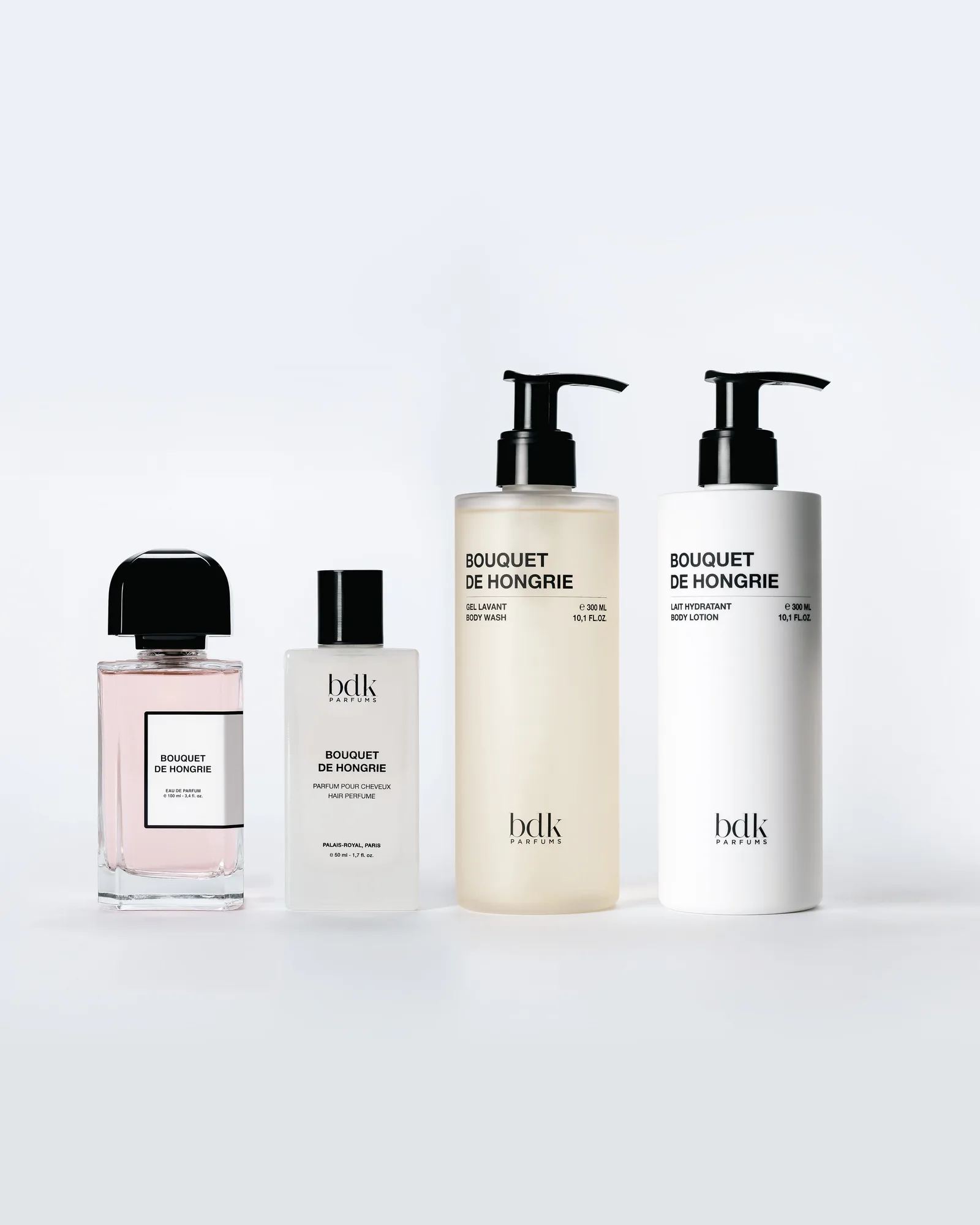
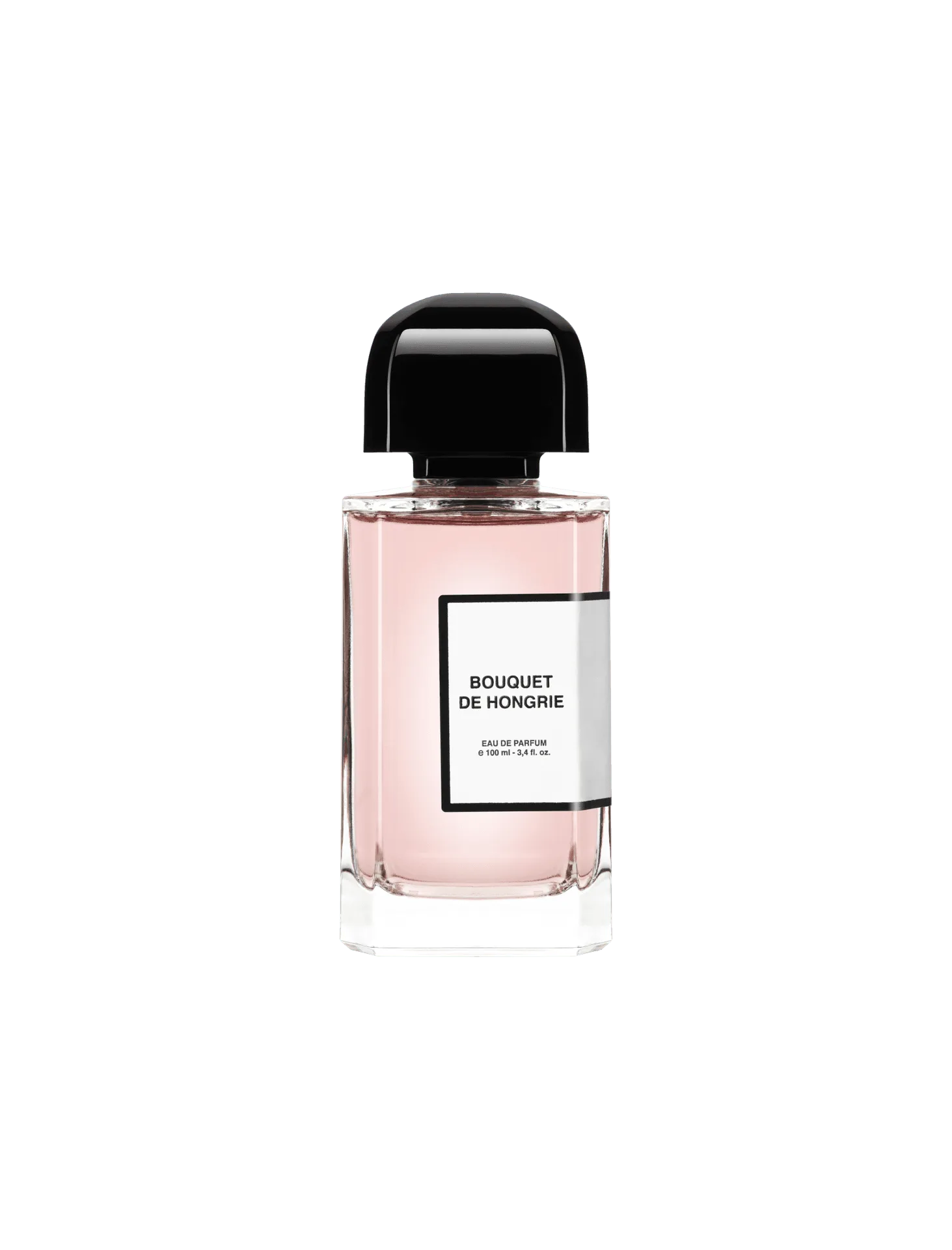
- Bouquet de Hongrie - Eau de parfum: Bouquet de Hongrie is an eau de parfum from BDK Parfums, a Haute Parfumerie and perfume creator. This fragrance is available in three sizes: 10ML, 50ML, and 100ML. Its floral character can be complemented by a candle with soft, powdery or floral notes to create a cohesive, elegant atmosphere.
- Rouge Smoking - Eau de parfum: Rouge Smoking by BDK Parfums is an eau de parfum that captures the spirit of a Parisian evening. This fragrance is part of the Haute Parfumerie collection, designed for those who appreciate refined and elegant compositions. If you're wearing Rouge Smoking, a candle with warm, amber or spicy undertones can echo its sophisticated evening vibe and enhance the overall ambience.
- 312 Saint-Honoré - Eau de parfum: 312 Saint-Honoré Eau de Parfum by BDK Parfums is a refined fragrance that captures the essence of Parisian elegance. Its name evokes the iconic Parisian street, and its composition is designed for those who appreciate subtle sophistication. For a subtle, sophisticated scent, pair this with a candle that has clean, airy notes to avoid overpowering the perfume's delicate character.
Pairing a scented candle with your perfume is a simple way to elevate your home's atmosphere and make your favorite fragrance feel even more personal. By choosing complementary scents, placing the candle thoughtfully, and managing burn time, you can create a layered, inviting environment that reflects your style. Whether you're preparing for a special evening or just enjoying a quiet moment, a candle and perfume can work together beautifully.