Quick Answer
Yes, you can use a cast iron skillet on an induction cooktop since cast iron is magnetic and induction-compatible. To get the best results, start with a skillet that sits flat, preheat on a low or medium setting, and always lift the pan instead of sliding it to avoid scratching the glass surface.
Induction cooktops are fast, precise, and energy-efficient, but they only work with magnetic cookware. Cast iron is one of the best materials for induction because it heats evenly and retains heat well. However, its heavy weight and rough surface can be a challenge on a glass-ceramic top if you don't follow a few simple rules.
In this guide, you'll learn how to use a cast iron skillet on an induction cooktop safely and effectively. We'll cover compatibility checks, heat management, and the most common mistakes to avoid—so you can enjoy the benefits of cast iron without damaging your cooktop or your pan.
Check That Your Cast Iron Is Induction-Compatible
Induction cooktops work by creating a magnetic field that heats the pan directly. Cast iron is naturally magnetic, so almost all cast iron skillets are induction-compatible. To confirm, hold a magnet to the bottom of your skillet—if it sticks, you're good to go.
One thing to watch: some cast iron pans have a rough or uneven bottom that may not sit flat on the glass surface. This can cause hot spots or wobbling. Place the skillet on the cooktop and check for any gaps. If it rocks, you'll need to choose a different pan or use a heat diffuser.
- A simple magnet test is the quickest way to verify compatibility.
- Look for a smooth, flat bottom to ensure good contact and even heating.
Preheat Slowly to Protect the Pan and Cooktop
Cast iron heats slowly and evenly, but induction can deliver a lot of heat very quickly. If you set the burner to high from the start, you risk warping the skillet or scorching the seasoning. Instead, start on a low or medium-low setting and let the pan warm up gradually.
For most cooking tasks, a medium heat is all you need. Induction is so efficient that a setting of 4 or 5 out of 10 often equals the heat you'd get from a higher setting on a gas stove. Once the pan is hot, you can adjust as needed.
Remember that cast iron retains heat very well, so it will stay hot even after you turn off the burner. Plan to remove the pan a minute or two early to avoid overcooking.
- Always preheat on low for at least 2-3 minutes before raising the temperature.
- Use a medium setting for most searing and frying; reserve high for boiling water.
Avoid Sliding to Prevent Scratches
The bottom of a cast iron skillet is often slightly rough, and sliding it across the glass surface can leave scratches or even cause the cooktop to chip. Always lift the pan when you need to move it, rather than dragging it.
This is especially important when the pan is full or heavy. Use both hands and lift straight up. You can also place a silicone mat or cloth under the pan when storing it on the cooktop, but never use it during cooking.
If you're stirring or shaking the pan, lift it slightly off the surface. This habit will keep your induction cooktop looking new for years.
- Lift and set down gently; never slide the pan across the glass.
- Keep the bottom of the skillet clean and free of grit that could scratch.
Manage Heat Settings for Different Cooking Tasks
Induction responds instantly, so you need to adjust your technique. For searing meat, preheat the skillet on medium for about 5 minutes, then add oil and your food. For simmering or braising, use a low setting—cast iron's heat retention will keep things bubbling gently.
A common mistake is leaving the heat on high for too long. Because cast iron holds heat so well, the pan can easily overheat, burning food or damaging the seasoning. If you need to reduce heat, do it a step at a time and wait a minute before checking again.
For delicate foods like eggs or fish, use a low to medium-low setting and add a little extra oil or butter. The even heat distribution of cast iron helps prevent sticking, but induction's rapid response means you need to be attentive.
- Use low for simmering, medium for searing, and high only for boiling liquids.
- When adjusting heat, wait 30 seconds to a minute for the pan to respond.
Step-by-Step: Using Your Cast Iron Skillet on Induction
- Step 1: Verify compatibility: Place a magnet on the bottom of the skillet. If it sticks, the pan is induction-ready. Also check that the bottom is flat and smooth. Checkpoint: If the magnet doesn't stick, use a different pan or a magnetic interface disk.
- Step 2: Preheat on low: Set the induction burner to low (2 or 3 out of 10) and let the skillet heat for 3-5 minutes. This prevents warping and preserves seasoning. Common mistake: Starting on high can cause hot spots and damage the pan.
- Step 3: Adjust to desired heat: After preheating, increase the setting to medium (5-6) for searing or frying. For simmering, keep it low. Remember cast iron retains heat well. Checkpoint: Use a medium setting for most tasks; high is rarely needed.
- Step 4: Cook and lift, don't slide: When stirring or moving the pan, lift it slightly off the cooktop. Never drag it across the glass to avoid scratches. Common mistake: Sliding the pan can scratch the cooktop surface.
- Step 5: Clean and store properly: After cooking, allow the skillet to cool before washing. Clean with mild soap and water, dry thoroughly, and apply a thin layer of oil to maintain seasoning. Checkpoint: Store the skillet in a dry place to prevent rust.
Field Company Cast Iron Skillets on Induction
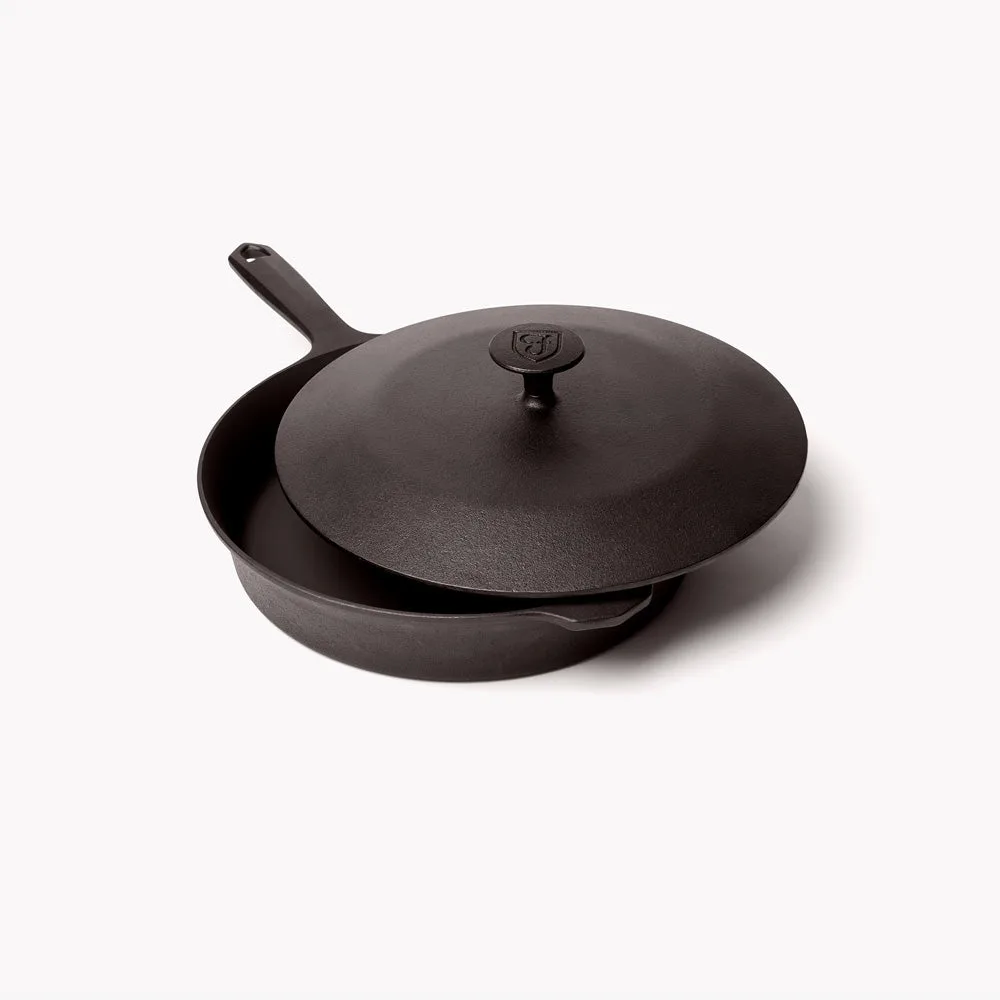
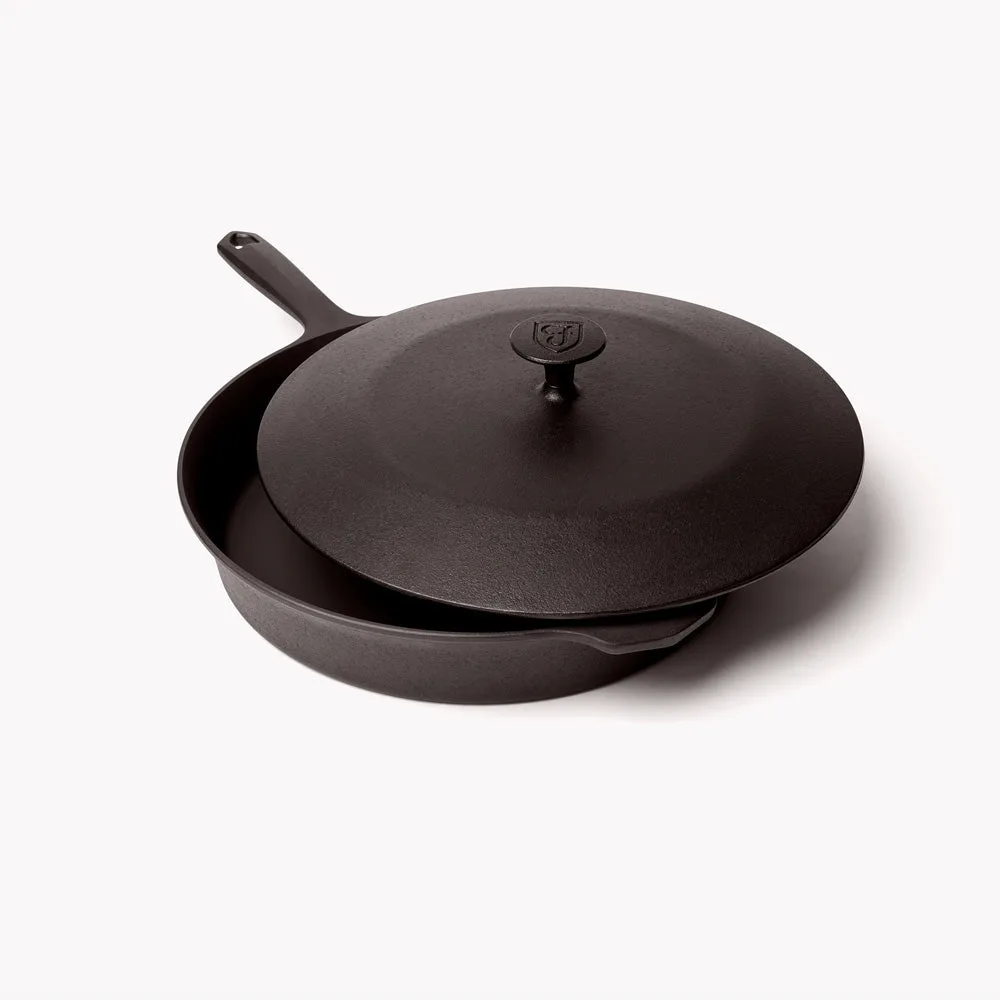
- https://mealproai.shop/products/no-10-cast-iron-skillet-lid-158054No.10 Cast Iron Skillet Lid: The 11 5⁄8" No.10 Cast Iron Lid is the matching lid for the No.10 Cast Iron Skillet. Made in seasoned cast iron and safe for high-heat cooking, this lid makes stovetop and oven braising easy, and creates a tight fit for steaming vegetables, melting cheese, or finishing fried eggs. Using a lid on your induction cooktop traps heat and moisture, making braising and steaming more efficient—just remember to lift it carefully to avoid steam burns.
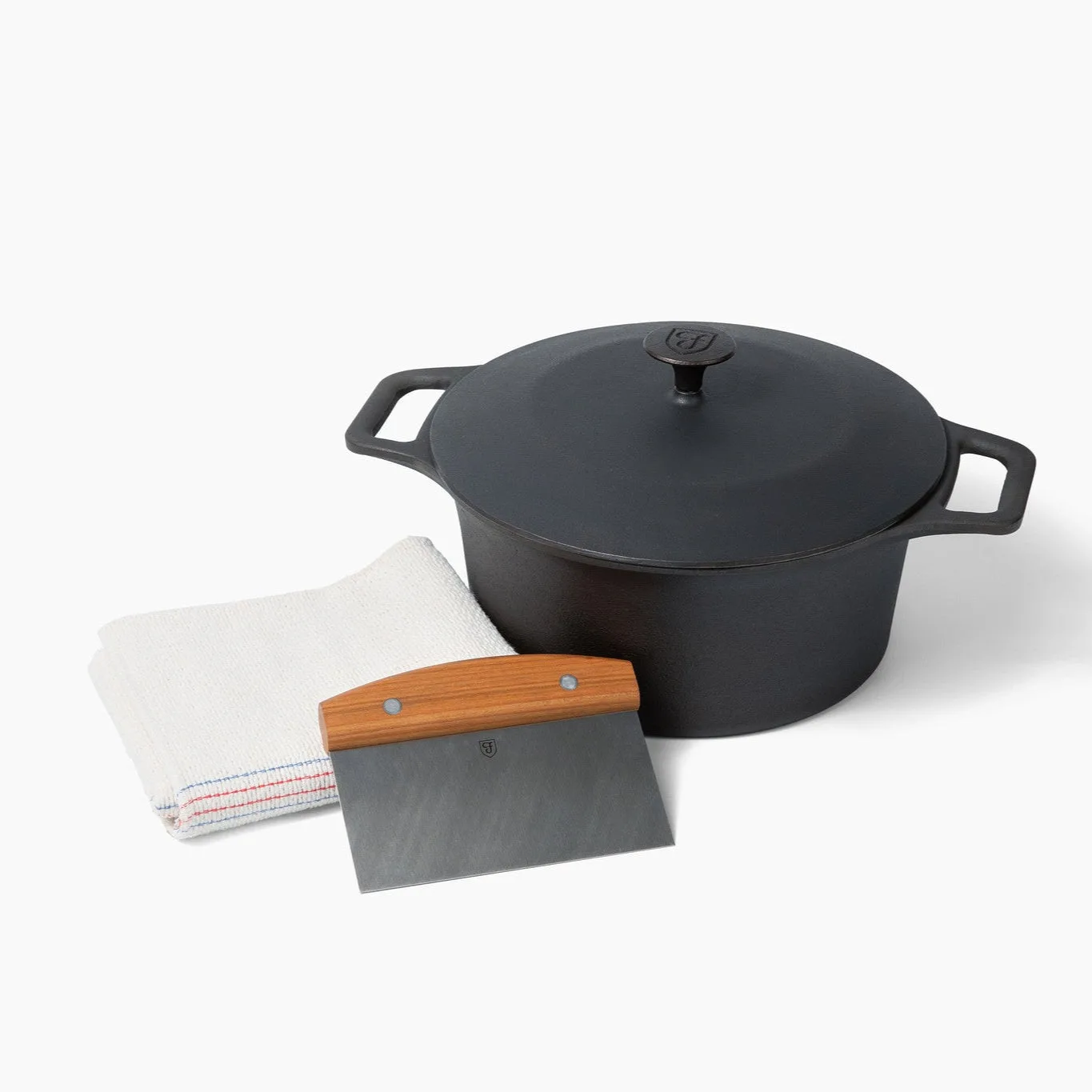
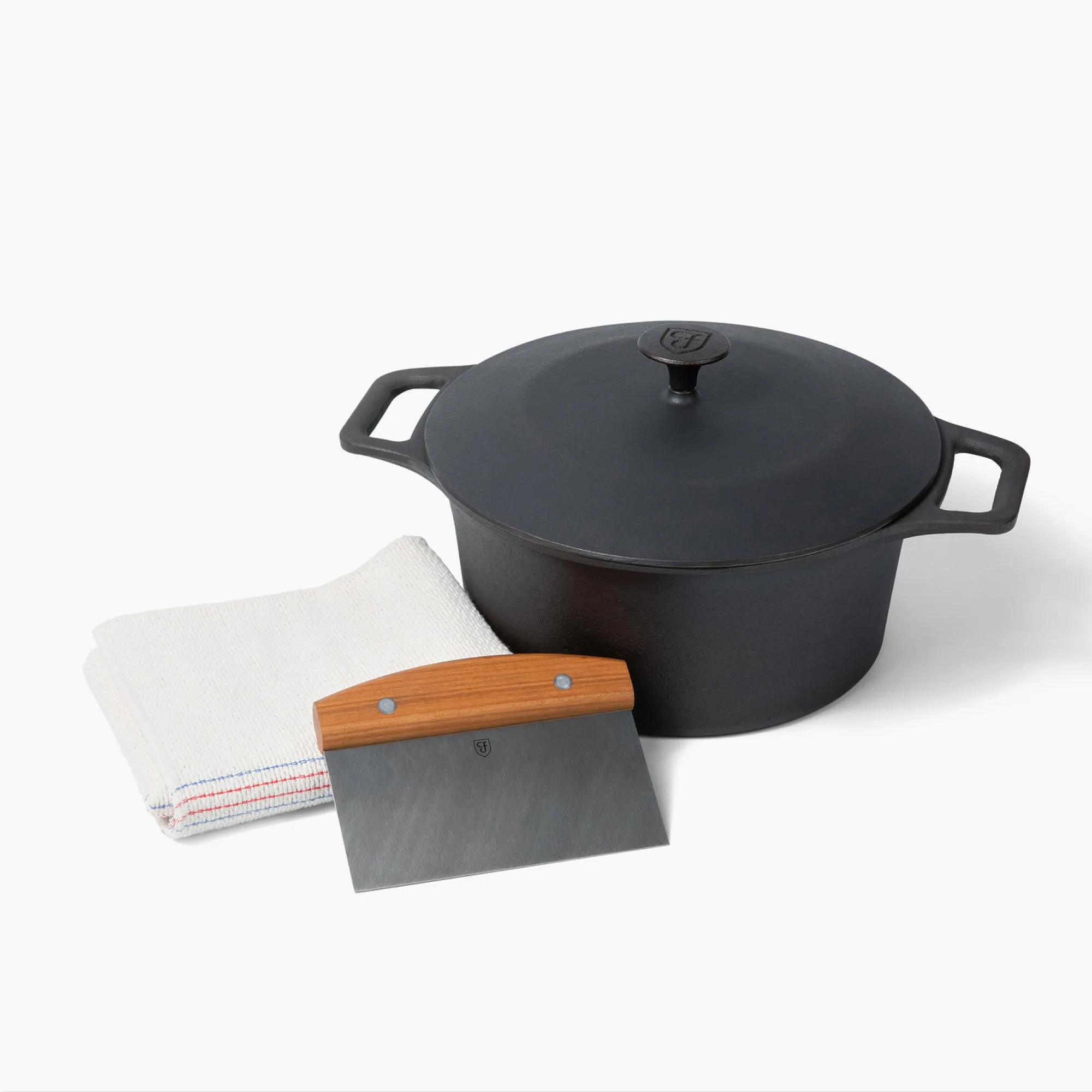
- No.8 Bread Baking Set: This 3-piece set includes our favorite tools for baking crispy-on-the-outside, soft-on-the-inside bread—right in your home oven. Set includes: The No.8 Cast Iron Dutch Oven: Designed to retain steam and distribute heat evenly for crusty, golden loaves. Lighter than traditional cast iron, with a tight-fitting lid and pre-seasoned for immediate use. Field Bench Scraper: Made from high-carbon stainless steel with a... If you want to bake bread on an induction cooktop, this set's Dutch oven provides even heat distribution and a tight seal, but you'll still need to preheat slowly to avoid thermal shock.
Using a cast iron skillet on an induction cooktop is straightforward once you understand the basics: check compatibility, preheat slowly, manage heat carefully, and always lift rather than slide. With these tips, you'll get great results and keep both your skillet and cooktop in top condition.