Quick Answer
Place the tray in a quiet, accessible spot, scoop daily, and wash it weekly with mild soap. Introduce your cat gradually and keep the routine consistent for success.
Why Placement Matters
Where you put the litter tray can make or break your cat's willingness to use it. Cats prefer quiet, low-traffic areas where they won't be startled. Avoid placing the tray near their food and water bowls—cats naturally separate elimination from eating areas.
Also, consider the number of trays. A good rule is one tray per cat, plus one extra. If you have multiple floors, place a tray on each level to prevent accidents.
Cleaning Routine: Daily and Weekly
Daily scooping is the most important habit for odor control and hygiene. Clumps and solid waste should be removed at least once a day. Weekly, empty the entire tray, wash it with warm water and mild dish soap, and dry it thoroughly before adding fresh litter.
Avoid harsh chemicals or bleach, as they can leave residues that deter cats. The Petface Cat Litter Tray's rounded corners make washing easier, but remember it's hand wash only—skip the dishwasher.
Training Your Cat: Patience and Positive Reinforcement
Most cats instinctively use a litter tray, but kittens or newly adopted cats may need guidance. Show them the tray after meals and naps, and gently place them inside. Praise them when they use it, and never punish accidents—it only creates fear.
If your cat avoids the tray, check for issues like a dirty tray, an unsuitable location, or a litter type they dislike. Sudden changes in behavior can also signal a health problem, so consult your vet if the issue persists.
Step-by-Step Guide to Using a Cat Litter Tray
- Choose the Right Tray: Select a tray that is large enough for your cat to turn around comfortably. The Petface tray is suitable for all cats and offers a simple, open design. Check that the tray is at least 1.5 times the length of your cat.
- Place the Tray in a Quiet, Accessible Spot: Put the tray in a low-traffic area away from food and water, and avoid corners where your cat might feel trapped. Ensure the location is easy for your cat to reach at all times. Avoid placing the tray near loud appliances like washing machines.
- Fill with the Right Amount of Litter: Add 2-3 inches of litter. Too little may cause your cat to dig outside, too much can be wasteful and messy. Monitor your cat's digging preference and adjust the depth accordingly.
- Introduce Your Cat to the Tray: Gently place your cat in the tray after meals, naps, and playtime. Use a calm voice and offer treats to create a positive association. Never force your cat to stay; let them explore at their own pace.
- Scoop Daily and Wash Weekly: Scoop clumps and solid waste at least once a day. Once a week, empty the tray, wash it with warm water and mild soap, and dry it completely before refilling with fresh litter. Use a dedicated scoop and replace it every few months.
- Monitor for Problems: Watch for signs of avoidance, such as urinating outside the tray or excessive scratching. Address issues promptly by adjusting placement, cleanliness, or litter type. If problems persist, consult your veterinarian to rule out medical issues.
Recommended Product
-
Petface Single Assorted Cat Litter Tray (42cm): The Petface Cat Litter Tray is made of durable plastic with rounded corners for easy cleaning. Its rounded corners make weekly washing simpler, and the durable plastic ensures it withstands daily use.
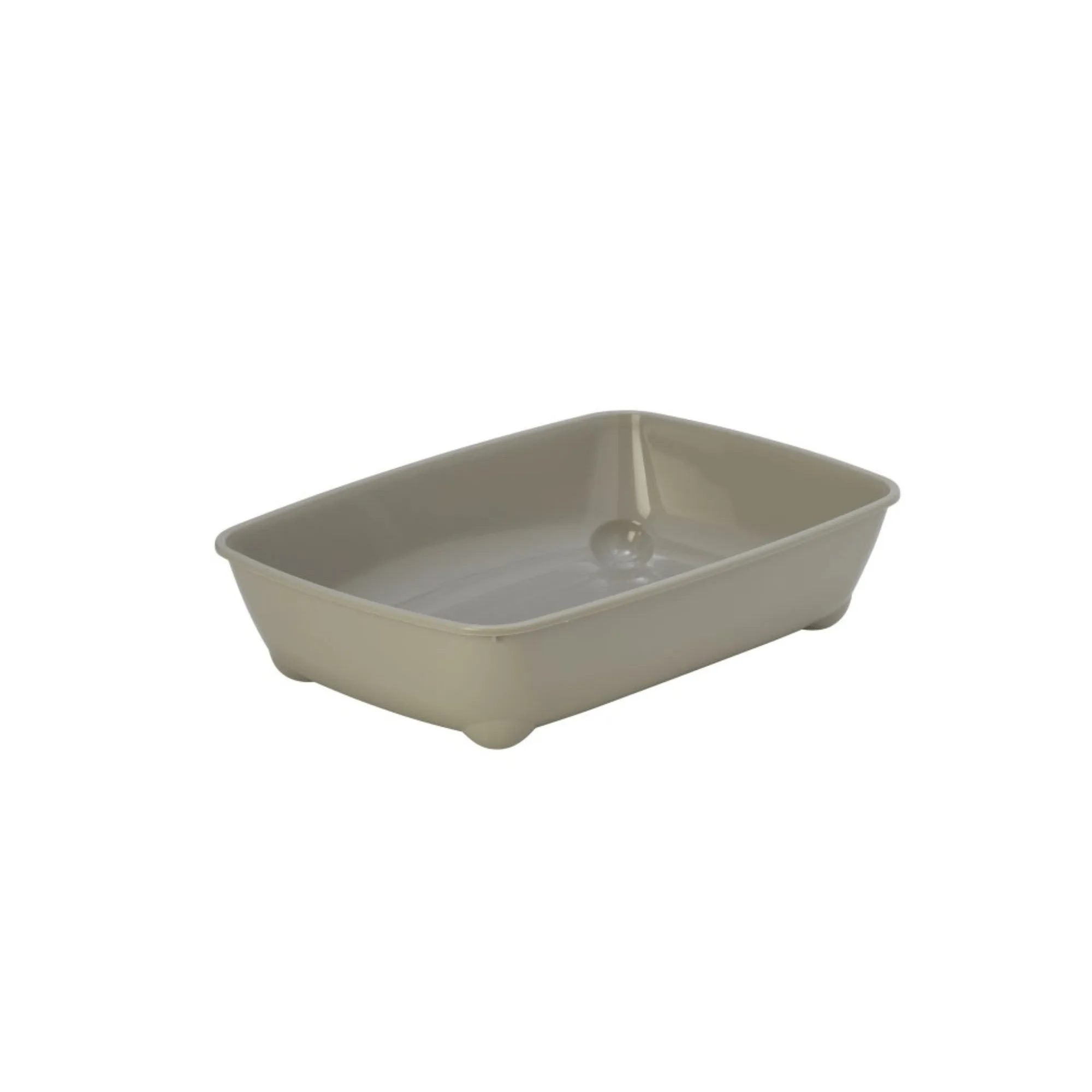
Petface Single Assorted Cat Litter Tray (42cm)