Indoor cats often miss the natural stimulation their outdoor counterparts enjoy. Without opportunities to climb, explore, and hunt, they can become bored, stressed, or overweight. One of the simplest and most effective ways to enrich your indoor cat's environment is by adding a cat tunnel. These versatile tubes encourage exercise, satisfy hunting instincts, and provide a safe space for play and rest.

cat tunnel
In this guide, we'll walk you through everything you need to know about cat tunnels: how to introduce them, creative ways to use them, and how to keep your feline friend engaged. Whether you have a curious kitten or a senior cat, a cat tunnel can transform your home into an exciting playground.
Why Cat Tunnels Are Great for Indoor Cats
Cat tunnels tap into your cat's natural instincts. In the wild, cats use dense vegetation, burrows, and narrow passages to stalk prey and hide from danger. A tunnel mimics these safe, enclosed spaces, giving your cat a sense of security while promoting active play. This is especially valuable for indoor cats who lack outdoor exploration.
Regular tunnel play provides excellent physical exercise. Running, pouncing, and darting through a tunnel helps maintain a healthy weight and keeps muscles toned. Mentally, tunnels challenge your cat to think strategically as they navigate and hunt toys hidden inside. This combination of physical and mental stimulation reduces stress and prevents destructive behaviors like scratching furniture or overeating.
- Mimics natural hunting and hiding environments
- Encourages active play and exercise
- Provides a safe retreat for shy or anxious cats
How to Introduce a Cat Tunnel to Your Cat
Some cats will dive into a new tunnel immediately, while others need a gentle introduction. Start by placing the tunnel in a familiar, low-traffic area. Leave it open and let your cat investigate at their own pace. You can sprinkle a little catnip inside or place a favorite toy at the entrance to spark curiosity.
If your cat is hesitant, try feeding them near the tunnel or tossing a treat inside. Never force your cat into the tunnel, as this can create fear. Instead, use positive reinforcement—praise and treats when they approach or enter. Over a few days, your cat will likely begin to explore on their own.
- Place in a quiet, familiar spot
- Use catnip or treats to encourage exploration
- Let your cat set the pace; never force them
Creative Ways to Use a Cat Tunnel for Play
Once your cat is comfortable, you can turn the tunnel into an interactive playground. One popular game is 'prey chase': drag a toy on a string (like the Cat Wild Wand) through the tunnel, encouraging your cat to stalk and pounce. This mimics hunting and provides excellent cardio.
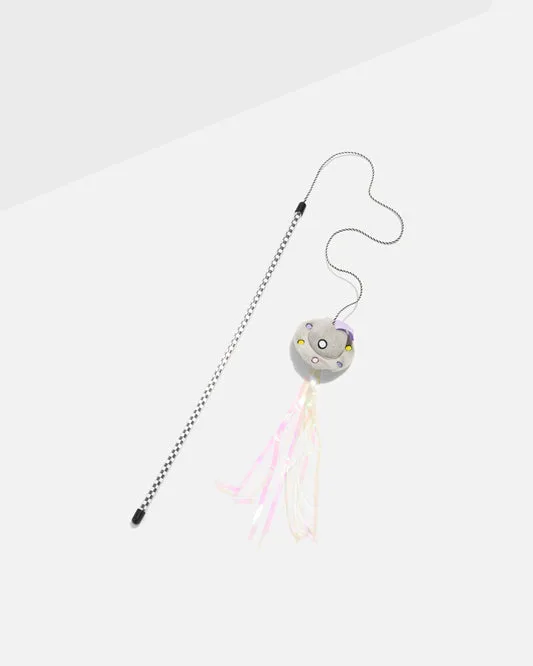
Cat Wild Wand
You can also connect multiple tunnels to create a maze, or hide treats and toys inside for your cat to discover. For extra fun, toss a small, lightweight toy like the Tennis Tumble into the tunnel—the unpredictable bounce will keep your cat engaged. Rotate toys regularly to maintain novelty and interest.
- Drag a wand toy through the tunnel for a hunting simulation
- Create a tunnel maze by connecting multiple tubes
- Hide treats or small toys inside for a scavenger hunt
Choosing the Right Cat Tunnel and Accessories
When selecting a cat tunnel, consider size, material, and collapsibility. Look for a tunnel that is sturdy yet lightweight, with a washable cover for easy cleaning. Some tunnels come with crinkle paper or hanging balls, which add extra sensory stimulation.
Pairing your tunnel with other enrichment toys can amplify the benefits. For example, a slow feeder bowl placed near the tunnel can turn mealtime into a game, while a comfortable placemat under the tunnel protects your floors. These small additions create a holistic enrichment zone for your cat.
- Choose a tunnel with a washable cover
- Look for crinkle or ball features for extra interest
- Combine with other toys and feeding tools
Safety Tips for Cat Tunnel Play
While cat tunnels are generally safe, supervision is key, especially with kittens or high-energy cats. Ensure the tunnel is stable and won't tip over during vigorous play. Check regularly for wear and tear, and remove any loose parts that could be swallowed.
If your cat seems overly stressed or hides in the tunnel for long periods, it might be using it as a refuge. That's okay—tunnels also serve as cozy retreats. Just make sure your cat has access to food, water, and litter boxes elsewhere, and don't force interaction when they want alone time.
- Supervise play, especially with kittens
- Inspect the tunnel for damage regularly
- Respect your cat's need for quiet time
A cat tunnel is a simple, affordable investment that pays off in a happier, healthier indoor cat. By following the tips above, you'll create a stimulating environment that encourages exercise and mental sharpness. Ready to enrich your cat's world? Start with a quality tunnel and pair it with fun toys like the Cat Wild Wand or Tennis Tumble—your feline friend will thank you!