Chemical peels are a powerful way to rejuvenate your skin, reduce fine lines, fade dark spots, and improve texture. While professional treatments can be costly and require downtime, at-home chemical peels offer a convenient and effective alternative. However, using a chemical peel at home requires careful preparation and knowledge to avoid irritation or damage. In this guide, we'll walk you through everything you need to know about how to use a chemical peel safely, from choosing the right product to post-peel care.
Whether you're new to at-home peels or looking to refine your technique, this article covers safe chemical peel application, the importance of patch testing, and how to incorporate a peeling gel into your routine. By following these steps, you can achieve professional-looking results from the comfort of your home.
Why Use a Chemical Peel at Home?
At-home chemical peels are formulated with lower concentrations of active ingredients like alpha hydroxy acids (AHAs), beta hydroxy acids (BHAs), or enzymes, making them gentler than in-office treatments. They can help exfoliate dead skin cells, unclog pores, brighten dull skin, and stimulate collagen production. Regular use can improve the appearance of acne scars, hyperpigmentation, and uneven skin tone.
One popular option is a peeling gel, which often contains fruit enzymes or mild acids to gently lift away dead skin without harsh scrubbing. For example, products from Ebanel Skincare like the Carbonated Bubble Mask Pack (10 Sheets) provide a gentle exfoliating experience that can complement your peel routine. Always choose a product suited to your skin type and concerns.
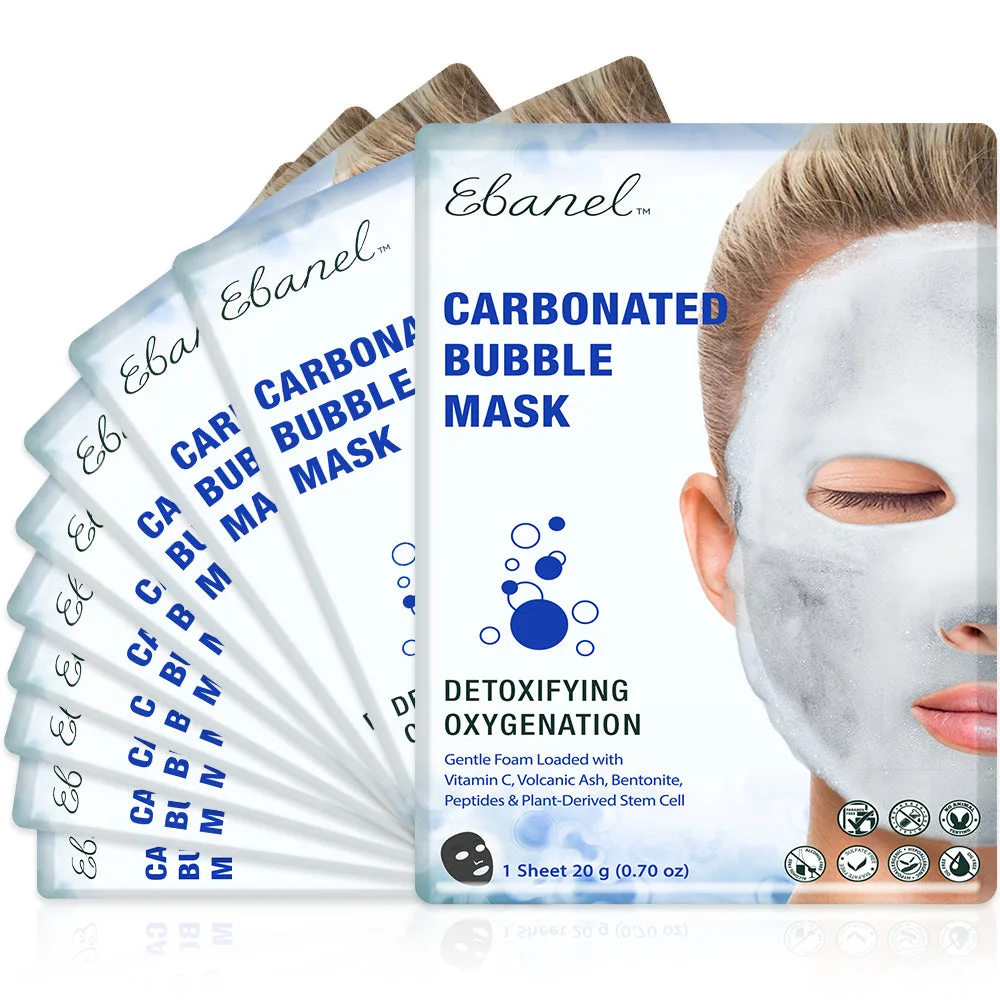
Carbonated Bubble Mask Pack (10 Sheets)
- Always start with a lower concentration if you're new to chemical peels.
- Avoid using other exfoliating products (scrubs, retinol) for 48 hours before and after your peel.
- Perform a patch test on a small area of skin 24 hours before full application.
How to Use a Chemical Peel: Step-by-Step Guide
Step 1: Cleanse your face thoroughly with a gentle, non-abrasive cleanser to remove makeup, oil, and dirt. Pat your skin dry with a clean towel. Avoid using any active ingredients like retinol or vitamin C on the day of the peel.
Step 2: Apply the chemical peel evenly to your face, neck, or chest using a cotton pad or brush. Avoid the eye area, lips, and any open wounds. Start with a thin layer and do not leave it on longer than recommended. For a safe chemical peel application, follow the product's instructions exactly—never exceed the suggested time.
Step 3: Rinse off the peel with cool water after the recommended time (usually 2-10 minutes). Use a soft cloth to gently remove any residue. Do not rub or scrub. Pat dry and apply a soothing moisturizer. Ingredients like hyaluronic acid and peptides can help calm and hydrate the skin. Consider using the Liposomal Hyaluronic Peptide Serum after your peel for deep hydration and repair.
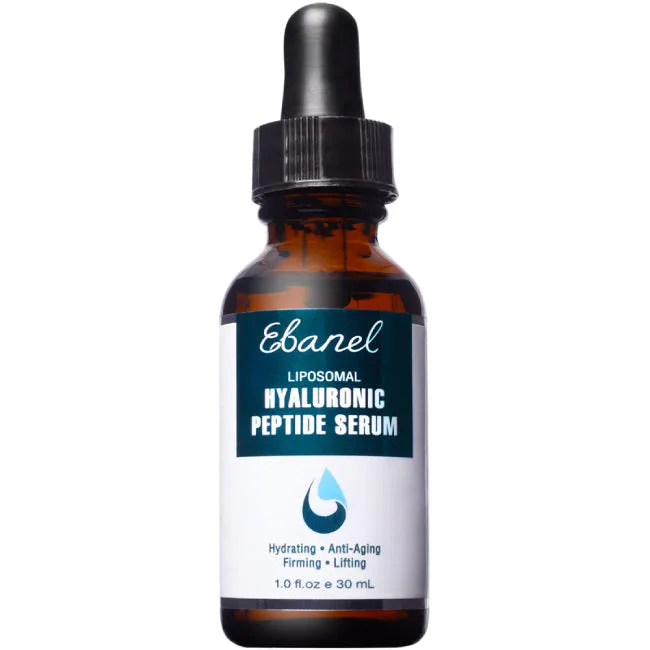
Liposomal Hyaluronic Peptide Serum
Step 4: For the next 24-48 hours, avoid direct sun exposure, hot water, saunas, and heavy exercise. Use a broad-spectrum sunscreen every day to protect your newly revealed skin. You may experience mild redness, tingling, or flaking, which is normal and should subside within a few days.
- Never use a chemical peel on sunburned, irritated, or broken skin.
- If you feel intense burning or stinging, rinse immediately with cool water.
- Start with once a week and gradually increase frequency based on your skin's tolerance.
Choosing the Right At-Home Chemical Peel
Not all chemical peels are created equal. Look for products with gentle yet effective ingredients like glycolic acid (AHA), salicylic acid (BHA), lactic acid, or fruit enzymes. If you have sensitive skin, opt for a peeling gel with lower acid concentrations or enzyme-based formulas. Always check the pH level—peels with a pH above 3.5 are generally safer for home use.
Ebanel Skincare offers a range of products that can support your peel routine. For example, the Collagen + Peptide Infusion Mask (8-Pack) is an excellent post-peel treatment to replenish moisture and boost collagen. Alternatively, the Hyaluronic Collagen Sheet Mask Pack (15 Sheets) provides intense hydration and soothing benefits. These masks can be used after your peel to calm and nourish the skin.
- Read ingredient labels carefully to avoid harsh alcohols or fragrances.
- For acne-prone skin, look for peels containing salicylic acid or tea tree oil.
- For anti-aging, glycolic acid or lactic acid peels are effective choices.
Post-Peel Care Tips for Best Results
After using a chemical peel at home, your skin is more sensitive and vulnerable. The key to optimal results is proper aftercare. For the first 24 hours, avoid touching your face, using makeup, or applying any active skincare ingredients. Stick to a gentle routine: a mild cleanser, a hydrating toner, and a rich moisturizer. Sunscreen is non-negotiable—use SPF 30 or higher every day, even indoors.
In the days following your peel, you may notice some flaking or peeling. Do not pick or pull at the skin, as this can cause scarring. Instead, let the skin shed naturally. Use a gentle moisturizer or a soothing mask to ease the process. The Liposomal Hemorrhoid Master+ Cream is not recommended for facial use, but for post-peel care on the body, it can provide soothing relief. Stick to facial-specific products for best results.
- Avoid exfoliating, retinol, or vitamin C for at least 3-5 days post-peel.
- Use a humidifier at night to keep your skin hydrated.
- If you experience prolonged redness or irritation, consult a dermatologist.
Using a chemical peel at home can transform your skin when done correctly. By following these steps—prepping your skin, applying the peel safely, and caring for it afterward—you can enjoy a brighter, smoother complexion without the expense of a spa visit. For a gentle yet effective addition to your routine, try the Carbonated Bubble Mask Pack (10 Sheets) to complement your peel regimen and enhance your glow.