Quick answer
Use a chronograph to measure the actual muzzle velocity of your ammunition, then feed that bullet velocity into a ballistic solver to generate a drop chart for your rifle. This turns guesswork into data you can verify at the range.
Why factory velocity numbers rarely match your rifle
Ammunition boxes list velocity from a test barrel, not your barrel. Barrel length, twist rate, chamber dimensions, and even temperature change the bullet velocity your rifle produces. Without measuring it, your drop chart is built on someone else's rifle.
What a chronograph can and cannot tell you
A chronograph gives you velocity data, extreme spread, and standard deviation for a shot string. It does not measure group size, wind drift, or shooter error. Use it alongside target groups, not as a replacement for live-fire practice.
Match the unit to your shooting style
Optical chronographs need open sky and careful alignment; radar units like the Athlon Range Craft Chronograph Velocity Pro Radar work in more lighting conditions and capture data without screens downrange. If you shoot in varied light or want fewer setup hassles, radar is the more forgiving choice. The trade-off is typically higher cost and reliance on a rechargeable battery.
Step-by-step: using a chronograph to improve accuracy
- Set up the chronograph safely: Place the unit 10-15 feet from the muzzle on a stable surface, with the bullet path parallel to the sensors. For radar, position it beside or behind the rifle per the manual. Common mistake: placing it too close, which can cause false readings from muzzle blast. Verify alignment with a plumb line or laser before firing a live round.
- Record a baseline shot string: Fire 10 shots of your match ammunition at a steady pace, recording every velocity. Do not cherry-pick the best three. This gives you a true average and shows consistency. If extreme spread exceeds 30 fps, check your reloading or ammo lot before adjusting your scope.
- Calculate standard deviation and extreme spread: Use the chronograph's summary or a simple calculator. Standard deviation under 15 fps is good for most long range shooting; under 10 fps is excellent. High extreme spread means vertical dispersion at distance. A low standard deviation matters more than a high average velocity for consistent hits.
- Input bullet velocity into a ballistic solver: Enter the average velocity, bullet BC, sight height, and environmental conditions into a solver like the Athlon Ballistics App or a comparable tool. Generate a drop chart in 25- or 50-yard increments out to your maximum range. Save the profile with the date and temperature; velocity shifts with conditions.
- Confirm the data at distance: Shoot at 300, 600, and 800 yards (or your available distances) and compare actual impact to the solver's prediction. Adjust the solver's velocity or BC slightly to match reality. Common mistake: trusting the chart without live-fire confirmation. Truing at distance is the only way to catch errors in BC or environmental inputs.
- Re-test when conditions or ammo change: Re-chronograph when you switch ammo lots, change barrel length, or see a temperature swing of more than 20°F. Update your solver profile accordingly. This keeps your long range shooting data current. A chronograph session every few months prevents stale data from costing you hits.
Product facts
-
Athlon Range Craft Chronograph Velocity Pro Radar: Works with projectiles from .17" to 50" diameter at speeds from 65 to 5,000 fps, with a waterproof IP67 rating and rechargeable battery. Covers everything from airgun pellets to large centerfire rounds, so you can use one unit across your whole collection without worrying about rain or outlet access.
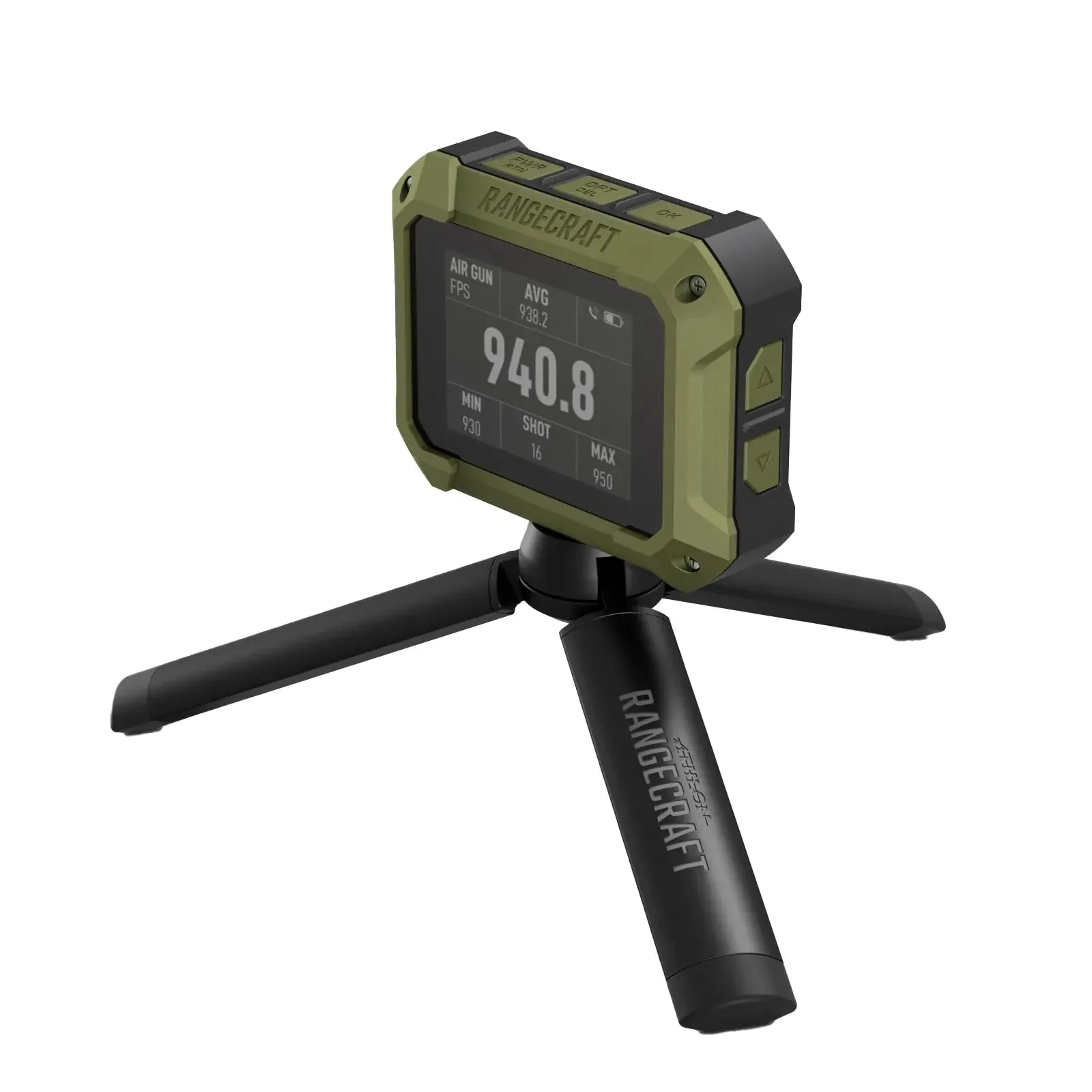
Athlon Range Craft Chronograph Velocity Pro Radar
Start with a 10-shot baseline, true your solver at distance, and re-test when anything changes. The chronograph turns velocity into a decision tool.