Clay masks are a skincare staple for anyone battling clogged pores, blackheads, or excess oil. Their ability to draw out impurities and absorb sebum makes them a go-to for deep cleansing. But the common complaint? They can leave skin feeling tight, dry, or irritated if used incorrectly.
The good news is that with the right technique and complementary ingredients, you can enjoy the pore-purifying benefits of a clay mask without sacrificing your skin's moisture barrier. In this guide, we'll walk you through how to use a clay mask effectively, how often to apply it, and which products to pair it with for a balanced, glowing complexion.
Why Clay Masks Work for Deep Pore Cleansing
Clay masks work by attracting and absorbing excess oil, dirt, and debris from the surface of your skin and deep within your pores. Different types of clay—such as kaolin, bentonite, or French green clay—vary in absorbency and mineral content, making them suitable for different skin types. For example, kaolin clay is gentle enough for sensitive skin, while bentonite clay is more powerful for oily or acne-prone skin.
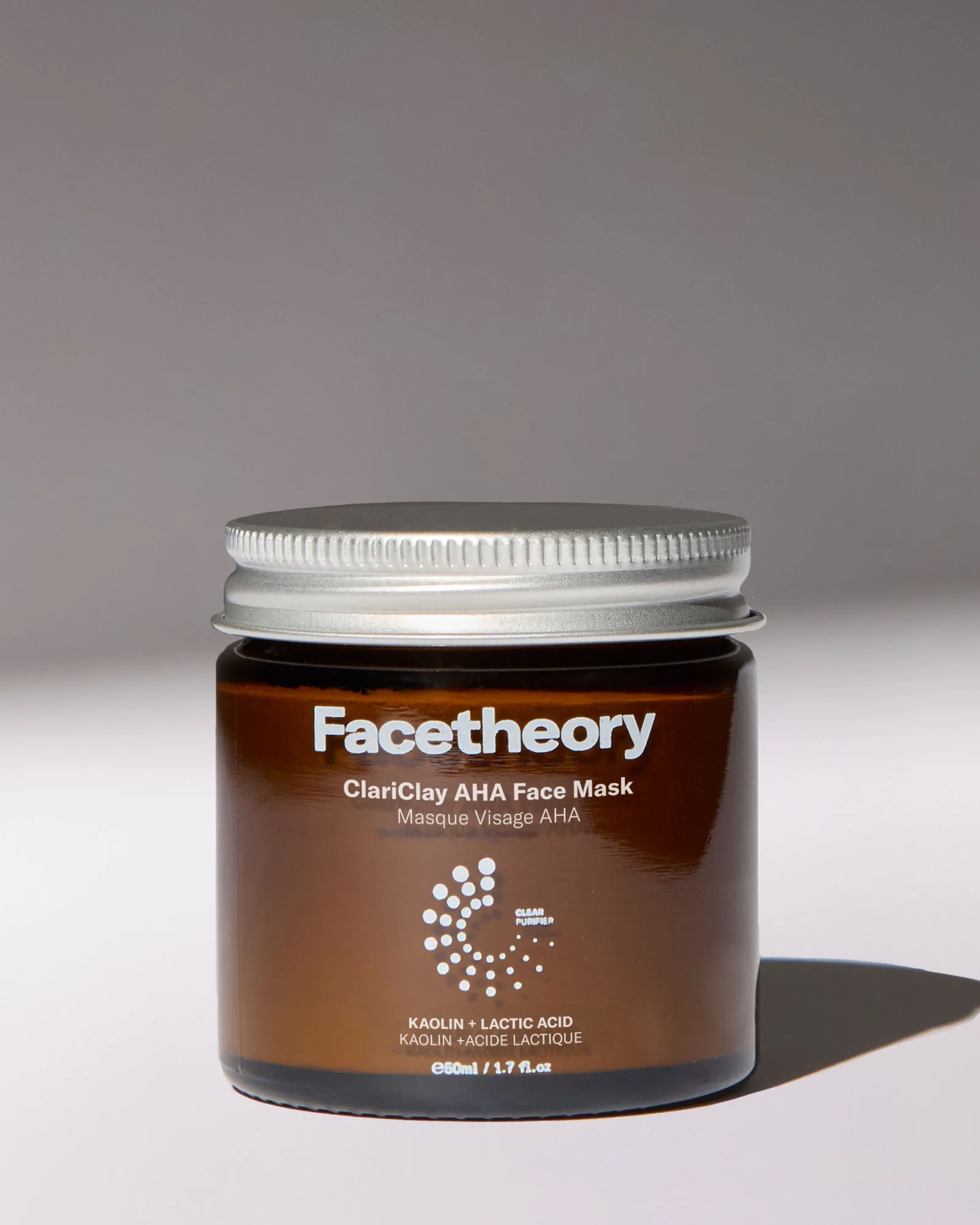
When combined with exfoliating acids like AHAs, a clay mask becomes even more effective. AHAs gently dissolve the bonds between dead skin cells, allowing the clay to reach deeper into pores. This synergy is why an AHA clay mask can be a game-changer in your weekly routine, helping to smooth texture and prevent congestion without harsh manual scrubbing.
- Kaolin clay: gentle, ideal for sensitive or dry skin
- Bentonite clay: highly absorbent, best for oily skin
- French green clay: rich in minerals, good for normal to combination skin
Step-by-Step Guide to Using a Clay Mask Without Over-Drying
Start with a clean face. Use a gentle cleanser to remove makeup, sunscreen, and surface oil. Pat your skin dry—applying a clay mask to damp skin can dilute its effectiveness. Next, apply a thin, even layer of your chosen clay mask, avoiding the delicate eye area. Leave it on for the time recommended on the product label, typically 10 to 15 minutes. Never let it dry completely, as this can pull moisture from the skin.
When rinsing, use lukewarm water and a soft, damp cloth or your fingertips in gentle circular motions. This helps remove the mask without tugging. Follow immediately with a hydrating toner and moisturiser to replenish the skin barrier. A soothing option like the HydraOat Calming Toner can help restore pH balance and calm any residual tightness.
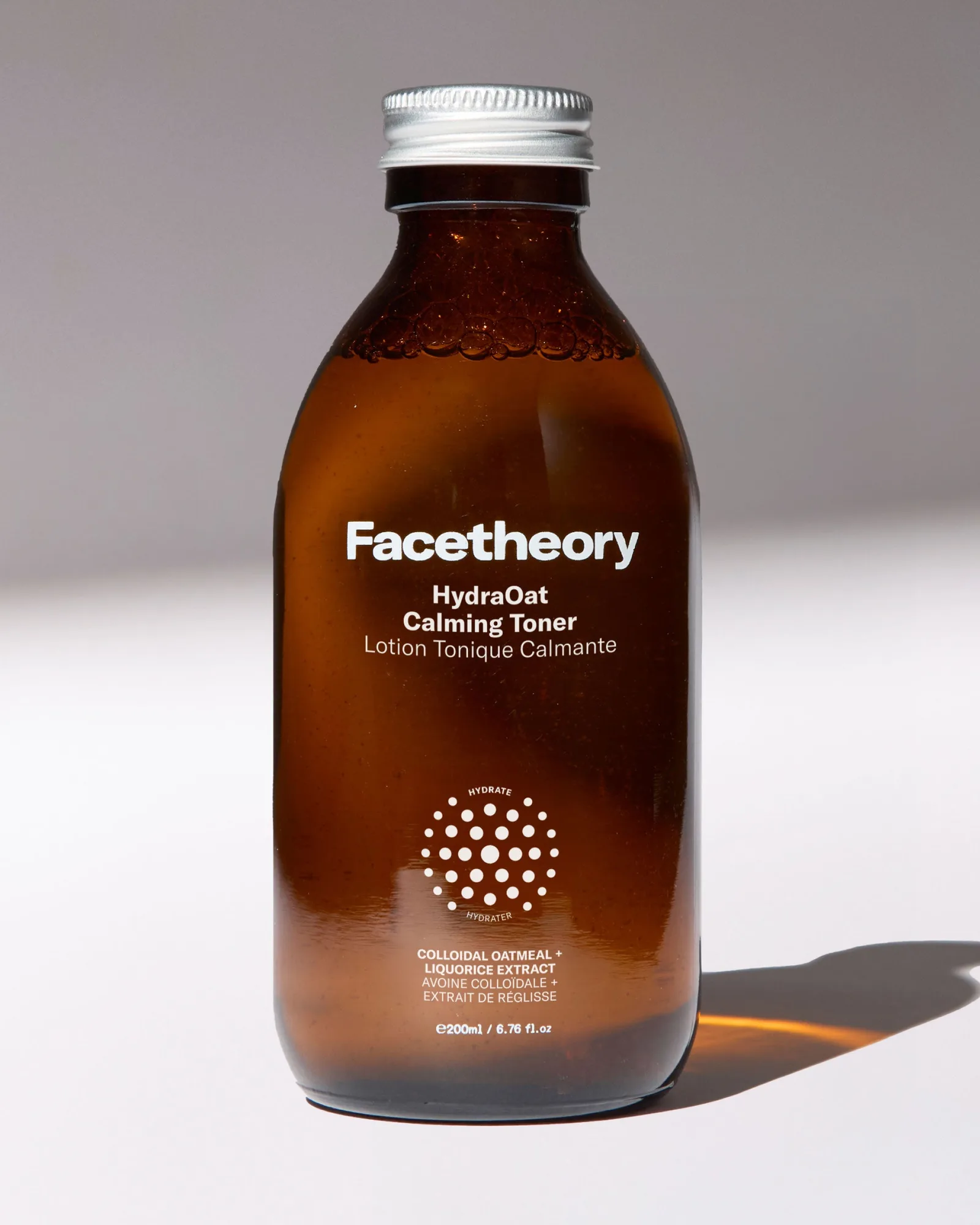
HydraOat Calming Toner
- Always apply to clean, dry skin for best absorption
- Don't let the mask crack or dry fully—rinse while still slightly damp
- Follow with a hydrating toner and moisturiser to lock in moisture
How Often Should You Use a Clay Mask?
Frequency depends on your skin type and the mask's formulation. For oily or combination skin, using a clay mask two to three times per week can help control shine and keep pores clear. Dry or sensitive skin should limit use to once a week or even every two weeks to avoid stripping natural oils. Always listen to your skin—if you notice redness, flaking, or tightness, reduce frequency.
If you're using an exfoliating clay mask with AHAs, start with once a week to gauge tolerance. Over-exfoliation can compromise the skin barrier, leading to irritation and breakouts. Pairing your mask with a nourishing moisturiser like the HydraOat Soothing Daily Moisturiser can help maintain hydration levels and prevent dryness after treatment.
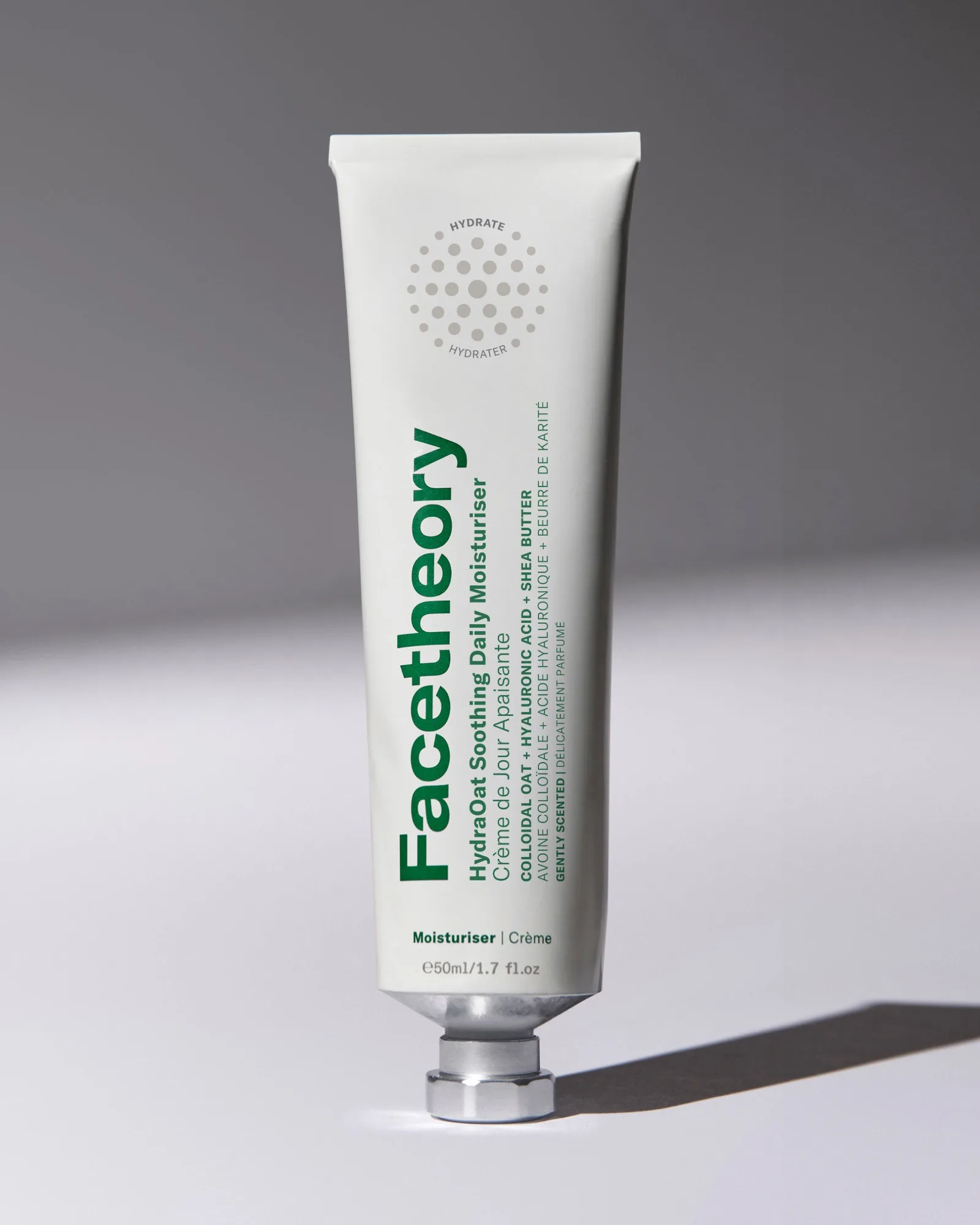
HydraOat Soothing Daily Moisturiser
- Oily skin: 2–3 times per week
- Combination skin: 1–2 times per week
- Dry/sensitive skin: once every 1–2 weeks
Best Practices for Maximising Results
For a deeper clean, consider using a gentle exfoliant before your clay mask. A mild AHA or BHA toner can loosen dead skin cells and allow the clay to penetrate more effectively. Alternatively, a physical scrub like the Double Glow Exfoliating Face & Body Scrub can prep the skin without harshness. Just be careful not to over-exfoliate—stick to one exfoliating step per session.
Another pro tip is to steam your face before applying the mask. The warmth opens pores, making it easier for the clay to draw out impurities. After rinsing, apply a serum tailored to your skin concerns—for example, the Glow-C Vitamin C 20% Serum can brighten and even out skin tone while providing antioxidant protection. Finish with a lightweight moisturiser to seal everything in.
- Steam your face for 5 minutes before applying the mask
- Use a gentle exfoliant beforehand (but not on the same day as another acid treatment)
- Follow with a serum and moisturiser to lock in hydration
Common Mistakes to Avoid
One of the biggest mistakes is leaving the mask on too long. Many people think longer means better results, but this often leads to dryness and irritation. Stick to the recommended time, and if your mask starts to feel tight or uncomfortable, rinse it off immediately. Another mistake is using a clay mask on irritated or sunburned skin—this can worsen inflammation.
Skipping moisturiser after a clay mask is another common error. Even if you have oily skin, your pores still need hydration to function properly. Without it, your skin may overcompensate by producing more oil. Always finish with a hydrating step, such as a soothing moisturiser or a lightweight oil-free formula, to maintain balance.
- Don't leave the mask on longer than recommended
- Avoid using clay masks on broken or sunburned skin
- Always moisturise after rinsing to prevent rebound oiliness
Incorporating a clay mask into your weekly routine can transform your skin by keeping pores clear and reducing congestion—without the dreaded tightness if done right. Start with once a week, listen to your skin, and always follow up with hydration. For a gentle yet effective option that combines deep cleansing with soothing ingredients, explore the HydraOat Soothing Daily Moisturiser to lock in moisture after your mask.