Every home barista knows the frustration of brewing a phenomenal cup one morning, only to struggle replicating it the next day. The variables—grind size, water temperature, brew time, coffee dose—are countless, and memory alone rarely captures them all. A coffee journal is your secret weapon for consistency and discovery. By recording each brew session, you create a personal reference library that helps you dial in your favorite beans, troubleshoot off-flavors, and refine your technique over time.
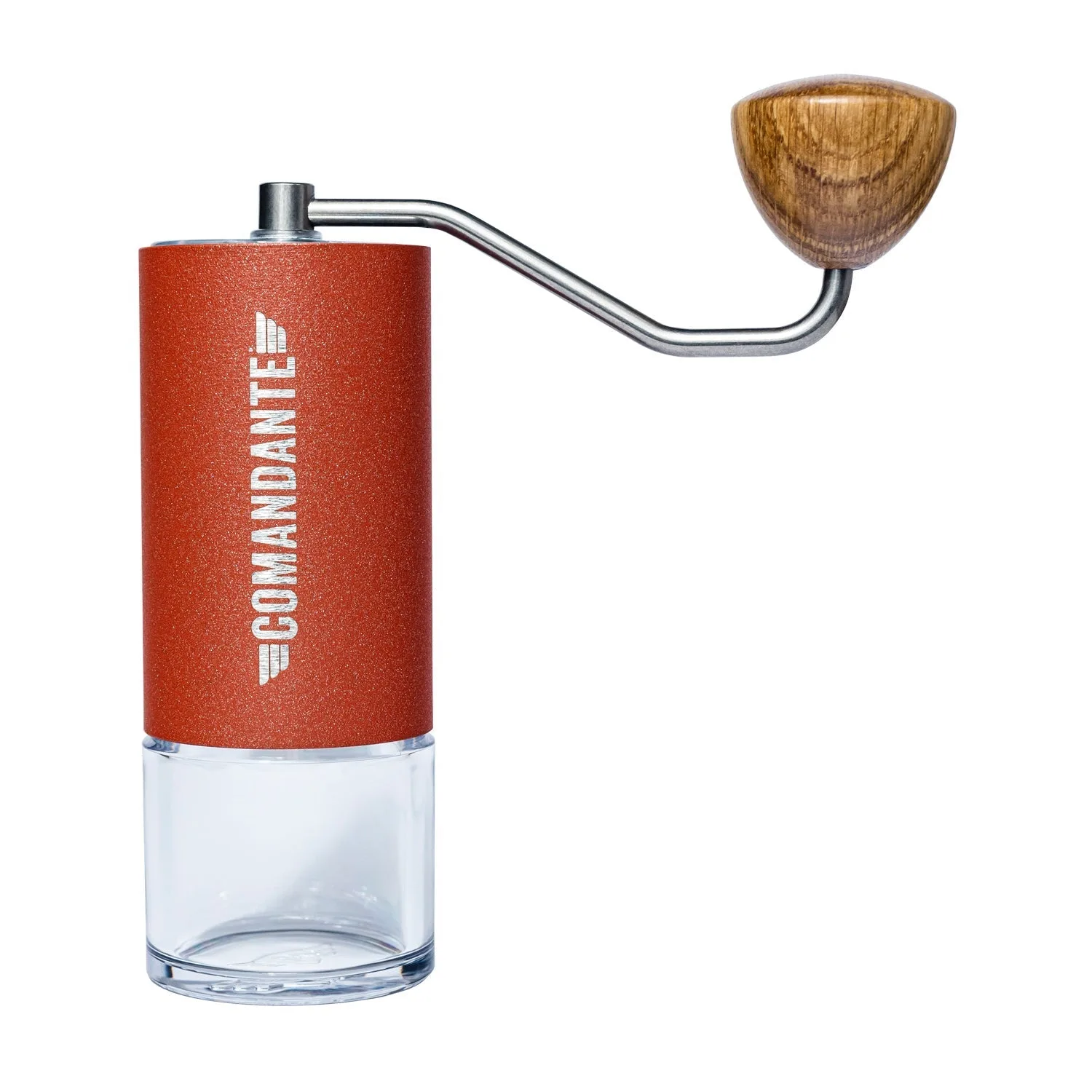
Whether you’re a pour-over perfectionist, an espresso enthusiast, or a capsule coffee lover, a journal turns every cup into a learning opportunity. In this guide, we’ll walk you through what to track, how to structure your entries, and why this simple habit can elevate your coffee game. Plus, we’ll show you how tools like the https://beansyai.shop/products/comandante-c40-nitro-blade-coffee-grinder-mk4-133625https://beansyai.shop/products/comandante-c40-nitro-blade-coffee-grinder-mk4-133626https://beansyai.shop/products/comandante-c40-nitro-blade-coffee-grinder-mk4-133627https://beansyai.shop/products/comandante-c40-nitro-blade-coffee-grinder-mk4-133628Comandante C40 Nitro Blade Coffee Grinder MK4 can make your notes even more precise.
Why Keep a Coffee Journal?
A coffee journal is more than a log—it’s a tool for deliberate practice. When you write down your grind setting, water temperature, and extraction time, you build a dataset that reveals patterns. Over weeks, you’ll notice how a finer grind brightens acidity or how a slight temperature drop reduces bitterness. This systematic approach turns random successes into repeatable routines.
For home baristas, a journal also deepens your sensory skills. Describing aroma, flavor, body, and aftertaste forces you to slow down and truly taste. You’ll start recognizing notes of stone fruit, chocolate, or florals that you previously missed. Over time, your palate becomes more refined, and your brewing decisions become more intentional.
- Track variables like grind size, dose, water temperature, and brew time.
- Record tasting notes using a flavor wheel or your own vocabulary.
- Note the coffee origin, roast date, and processing method for context.
What to Include in Your Coffee Journal
Start with the basics: date, coffee name, roast level, and brewing method. Then add the technical details—grind setting, water temperature, brew time, and coffee-to-water ratio. If you use a grinder like the Comandante C40 Nitro Blade Coffee Grinder MK4, note the click setting; its consistent burrs allow you to replicate results precisely. For espresso, include yield weight and extraction time.
Next, describe the flavor. Use a tasting wheel to identify primary notes (fruity, nutty, chocolatey) and secondary nuances (berry, caramel, floral). Rate the overall experience from 1 to 10. Finally, note any adjustments you made during the brew—like a pre-wet filter or a longer bloom—and what you might change next time. This creates a feedback loop for continuous improvement.
How to Structure Your Journal Entries
A consistent format makes your journal easy to scan. Use a template with sections for Coffee Details, Brew Parameters, and Tasting Notes. You can use a physical notebook, a spreadsheet, or a dedicated app. Many baristas prefer a simple grid: columns for date, coffee, grind setting, water temp, brew time, and score. Below the grid, add a few lines for free-form observations.
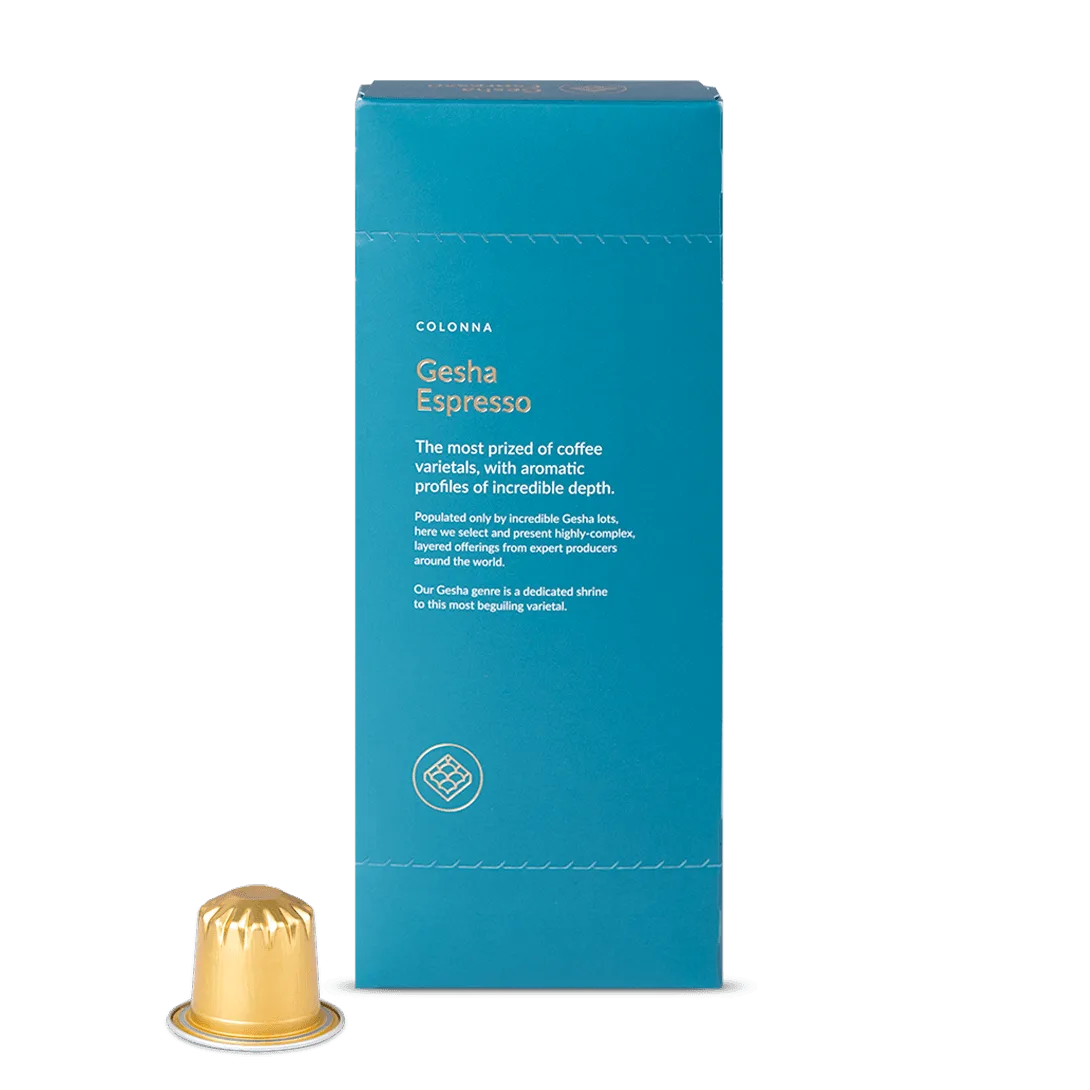
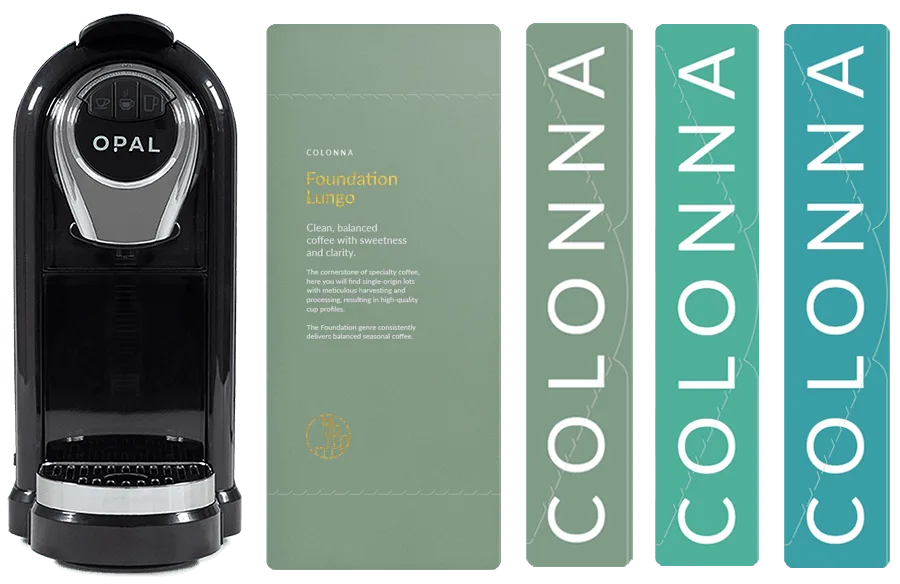
If you’re brewing with capsules, don’t skip the journal. Products like the Rare Lungo Capsules offer unique flavor profiles worth documenting. Note the capsule type, extraction volume, and any crema quality. Over time, you’ll discover which capsules shine at different extraction settings, helping you customize your lungo experience.
- Use a template to save time and ensure consistency.
- Include both quantitative data (grams, seconds, temperature) and qualitative notes.
- Revisit old entries to spot trends or rediscover forgotten favorites.
Using Your Journal to Improve Your Brewing
The real power of a coffee journal lies in analysis. After a few weeks, review your entries. Look for patterns: Did a certain grind setting consistently produce sour shots? Did a longer bloom improve sweetness in your pour-over? Use these insights to make one change at a time. For example, if your espresso is always bitter, try a coarser grind and note the result.
Your journal also helps you compare different beans and methods. Maybe you find that light roasts from Ethiopia perform best with a 1:16 ratio and a 3-minute pour-over, while a dark roast from Sumatra shines as a short espresso. Documenting these preferences turns your kitchen into a personal coffee lab, and with each entry, you become a more skilled home barista.
Starting a coffee journal is one of the most rewarding steps you can take as a home barista. It transforms every cup into a lesson and every mistake into a stepping stone. Grab a notebook, brew your favorite beans, and begin recording. For a precise start, pair your journal with a high-quality grinder like the Comandante C40 Nitro Blade Coffee Grinder MK4 to ensure your notes are reproducible. Your perfect cup is just a few entries away.