Quick answer
Mix your color paint with water to a creamy, tempera-like consistency for opaque coverage, or add more water for a watercolor effect. Always test on a scrap of your intended surface first, then apply thin coats and let each dry fully.
Why mixing consistency matters more than color choice
Color paint is versatile because you control its thickness. A creamy mix covers wood, rocks, and paper with rich color, while a thinner mix behaves like watercolor for blending and layering. The same jar can handle both, but the ratio changes the result. Start with a small amount of paint and add water a few drops at a time—it is easier to thin than to thicken.
For fabric projects, keep the mix on the thicker side to avoid bleeding, and test on an inside seam first. For glass, expect the paint to sit on the surface rather than soak in, so thin coats work better than one heavy layer.
When to choose a different paint
This color paint is water-based and suited to porous surfaces like wood, paper, and rocks. If you need a finish that survives repeated washing on fabric or heavy outdoor exposure, a specialized paint may be more durable. Use this paint for decorative pieces, scrapbooking, and indoor crafts where its vibrant, creamy finish is the goal.
Step-by-step: applying color paint
- Prepare your surface: Wipe dust and grease from wood, rocks, paper, fabric, or glass, and let the surface dry completely. Common mistake: painting over a damp or oily surface, which stops the paint from bonding. A clean, dry surface is the single biggest factor in even coverage.
- Mix a small test batch: Scoop a small amount of paint into a cup and add water a few drops at a time until it looks like creamy tempera. For watercolor effects, keep adding water until it is thin and translucent. Checkpoint: the mix should drip slowly off a stir stick, not run like water. Write down the ratio you used so you can repeat it for touch-ups.
- Test on a scrap piece: Apply a thin coat to a scrap of the same material and let it dry fully. Check for color intensity, adhesion, and any bleeding on fabric. Common mistake: skipping the test and discovering the paint beads up on glass or bleeds on fabric after the whole project is done. If the paint beads, lightly scuff the surface or add a thin base coat of the same paint and let it dry before recoating.
- Apply thin coats: Brush or sponge on a thin, even layer, working in one direction. Let it dry completely before adding a second coat. Common mistake: applying a heavy coat to save time, which can crack, pool, or take much longer to dry. Two thin coats usually look smoother than one thick coat.
- Layer and blend for watercolor effects: For a watercolor look, keep the surface slightly damp and add thin washes of color, letting each layer dry before the next. Blend edges while the paint is still wet. Checkpoint: stop before the paper or fabric starts to pill or buckle. Test your blending technique on scrap paper first—some surfaces absorb water faster than others.
- Clean up and store leftovers: Wash brushes and tools with water before the paint dries. Store mixed paint in a sealed container in a cool spot and label it with the ratio and date. Common mistake: leaving brushes to dry out, which ruins bristles. Mixed paint may separate over time; stir before reusing and discard if it smells off.
Product facts
-
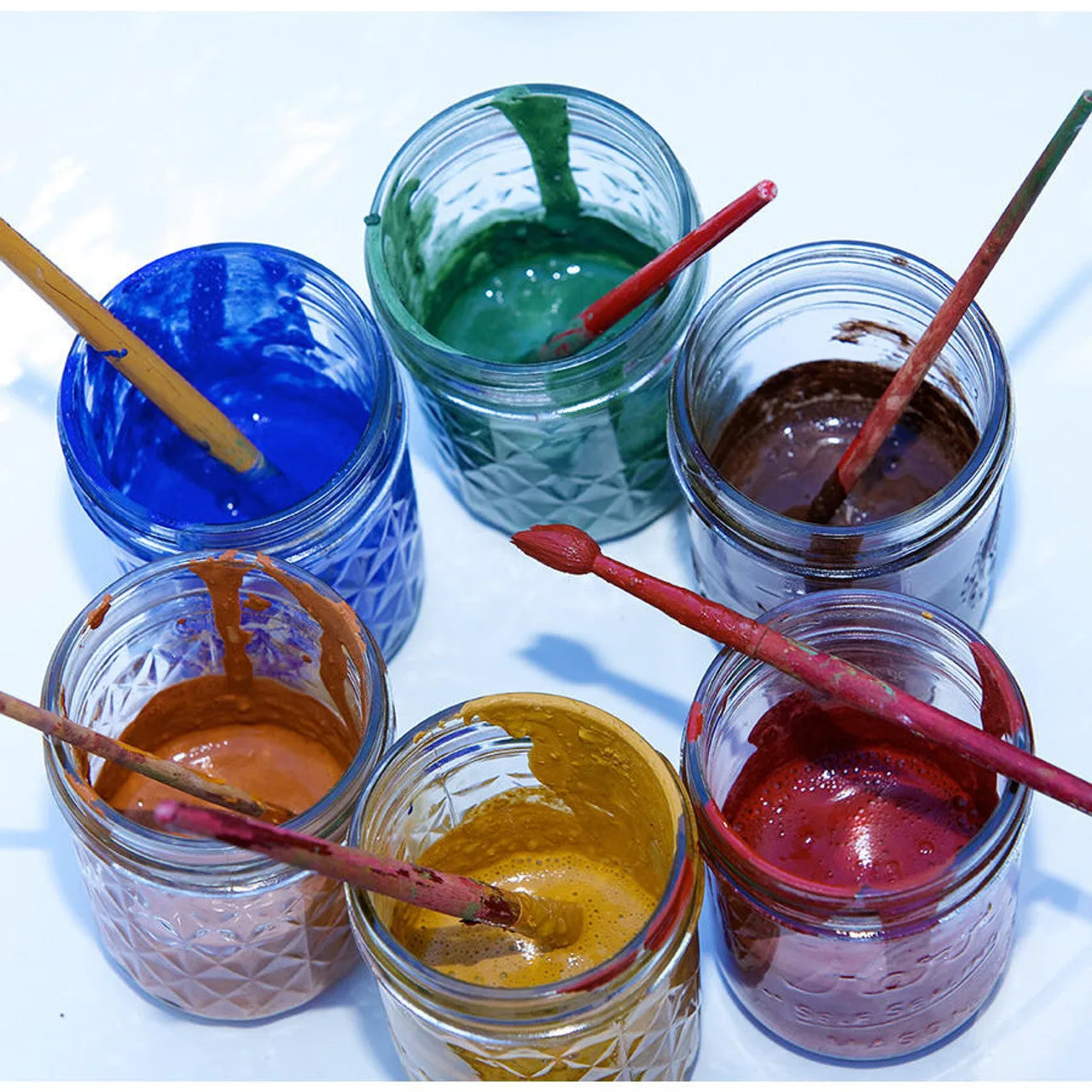
Color Paint: Creates a creamy, tempera-like paint when mixed with water; add extra water for a watercolor-like effect. You can adjust the same product for opaque coverage or translucent washes without buying two separate paints.
Color Paint