Quick answer
Match the bag size to the food, seal it with the zipper fully closed, and store it in a cool, dry place away from heat. When you're done, compost the bag in a commercial facility that accepts certified compostable plastics.
Why compostable bags need different handling than plastic
Compostable resealable bags are made from plant-based resin, not petroleum plastic, so they behave differently. They are breathable, which helps reduce condensation on fresh items but means they are not a moisture barrier for long-term freezer storage. They also have a lower heat tolerance than conventional plastic, so keep them away from hot surfaces, microwaves, and direct sunlight.
The resealable zipper is certified compostable along with the bag, so you do not need to cut it off before disposal. That said, the bag will only break down in a composting environment that accepts certified compostable plastics. A backyard pile usually does not get hot enough, so plan on commercial composting or a municipal pickup program.
Choosing the right size for the job
Sandwich bags suit single servings, snacks, and cut produce. Food storage bags handle leftovers and lunch components. Gallon-size bags are best for bulk dry goods, larger leftovers, or grouping smaller items. Using a bag that is too large leaves excess air inside, which can speed up staleness or sogginess.
If you are unsure which size you need, start with the sandwich size for everyday snacks and the gallon size for bulk pantry items. The food storage size sits in between and works well for leftovers.
Step-by-step: storing food in compostable resealable bags
- Match the bag to the food: Use sandwich bags for single servings and snacks, food storage bags for leftovers, and gallon bags for bulk items or large portions. Checkpoint: do not cram a large item into a small bag, as the zipper may not close fully.
- Keep the sealing track clean: Wipe away crumbs, sauce, or moisture from the inside of the zipper before closing. Common mistake: sealing over food debris lets air in and can cause the bag to pop open.
- Press out excess air: Flatten the bag gently and press out air before sealing, especially for items you will freeze or store for more than a day. Checkpoint: leave a little headspace for foods that may release moisture.
- Seal the zipper completely: Run your fingers along the entire zipper until you feel it lock closed. Common mistake: stopping halfway leaves a gap that lets air in and shortens shelf life.
- Store in a cool, dry place: Keep bags away from heat sources, direct sunlight, and hot appliances. For freezing, use within a few weeks and expect some moisture loss because the bag is breathable. Checkpoint: do not microwave the bag.
- Compost the entire bag when done: Remove food residue, then place the bag in a commercial composting bin or a municipal program that accepts BPI-certified compostable plastics. Common mistake: putting it in a backyard pile that does not get hot enough to break it down. Check your local program's rules before composting, since not all accept compostable plastics.
Product facts
-
Compostable & Resealable Food Storage Bags - 20pk: Made from breathable plant-based resin sourced in Italy and manufactured in the USA from GMO-free crops. Breathability helps reduce condensation on fresh food, but it is not a substitute for an airtight container for long-term storage.
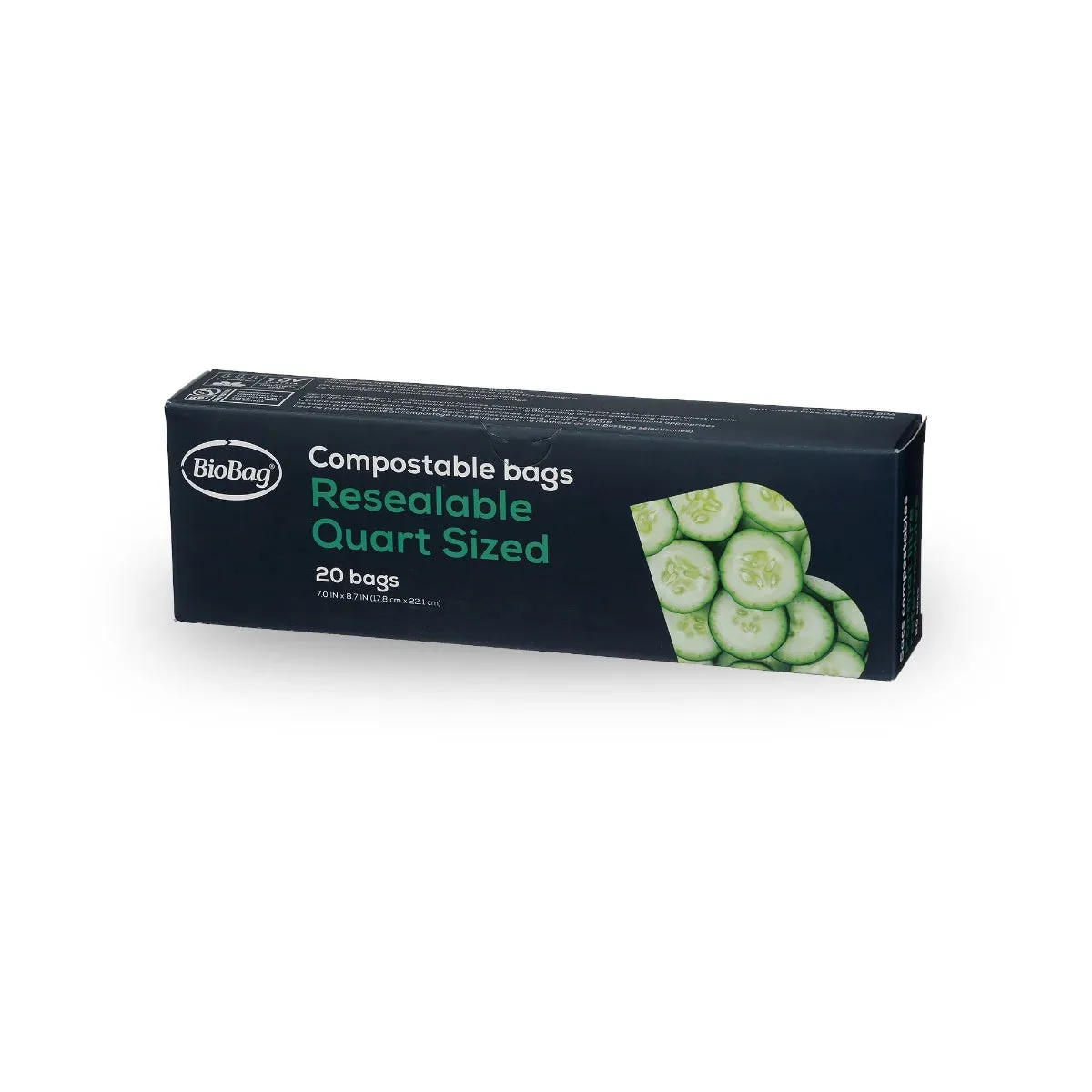
Compostable & Resealable Food Storage Bags - 20pk
-
Compostable & Resealable Sandwich Bags - 25pk: Both the bag and the resealable zipper are certified compostable by the Biodegradable Products Institute. You can compost the entire bag, zipper included, in a facility that accepts BPI-certified compostable plastics.
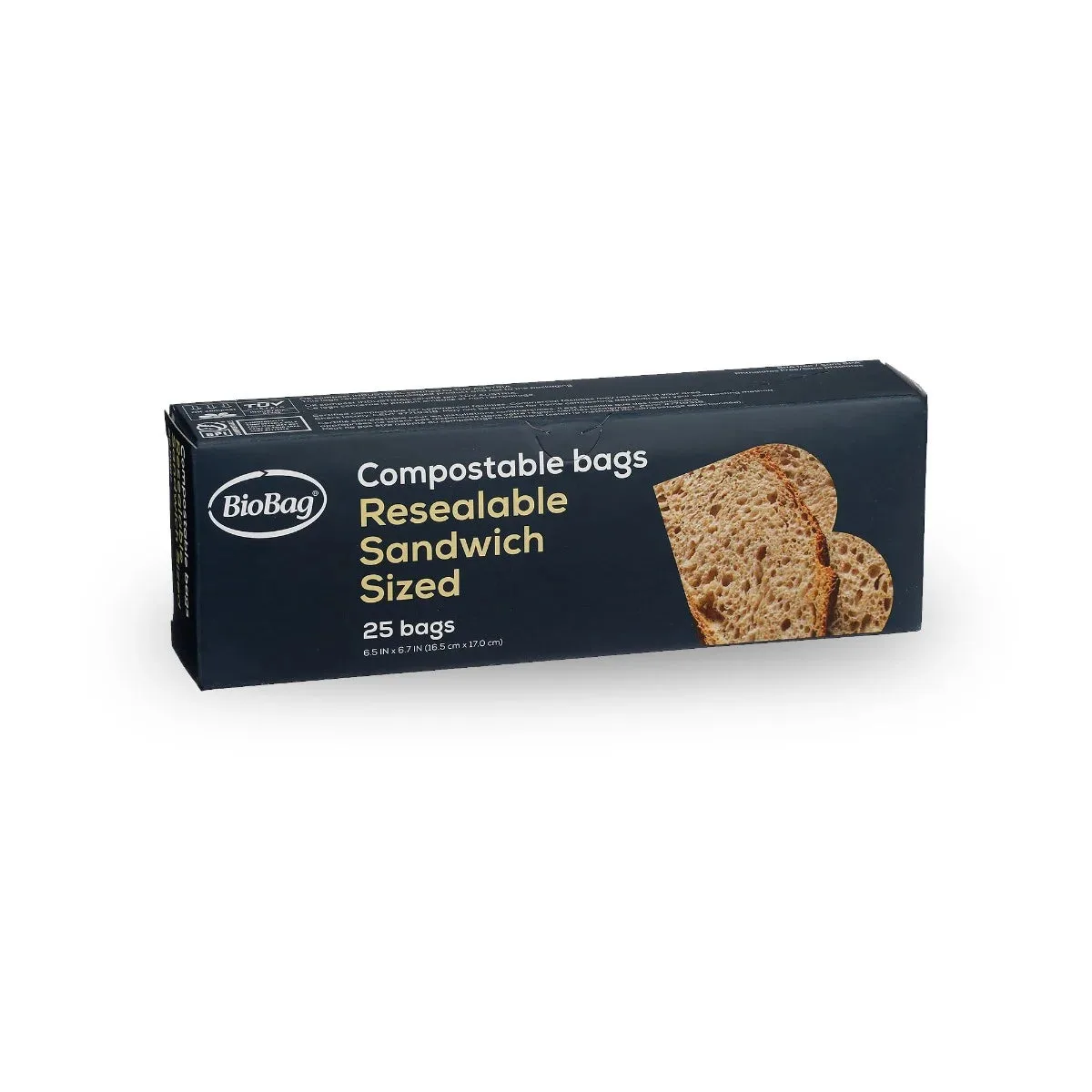
Compostable & Resealable Sandwich Bags - 25pk
-
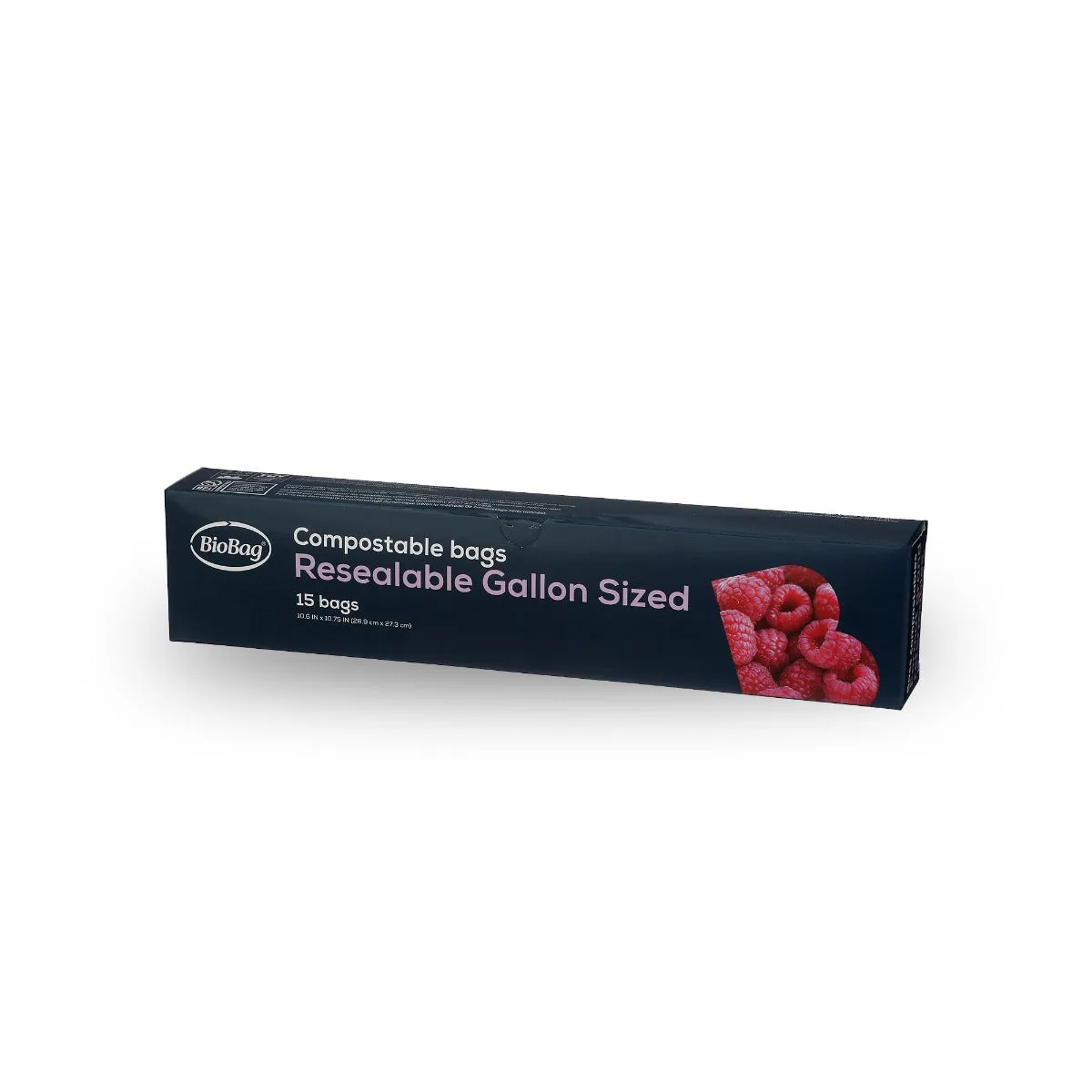
Compostable & Resealable Gallon-Size Bags - 15pk: Gallon-size bags are designed for leftovers and bulk foods. Use them for larger portions or dry goods, and avoid overfilling so the zipper can seal properly.