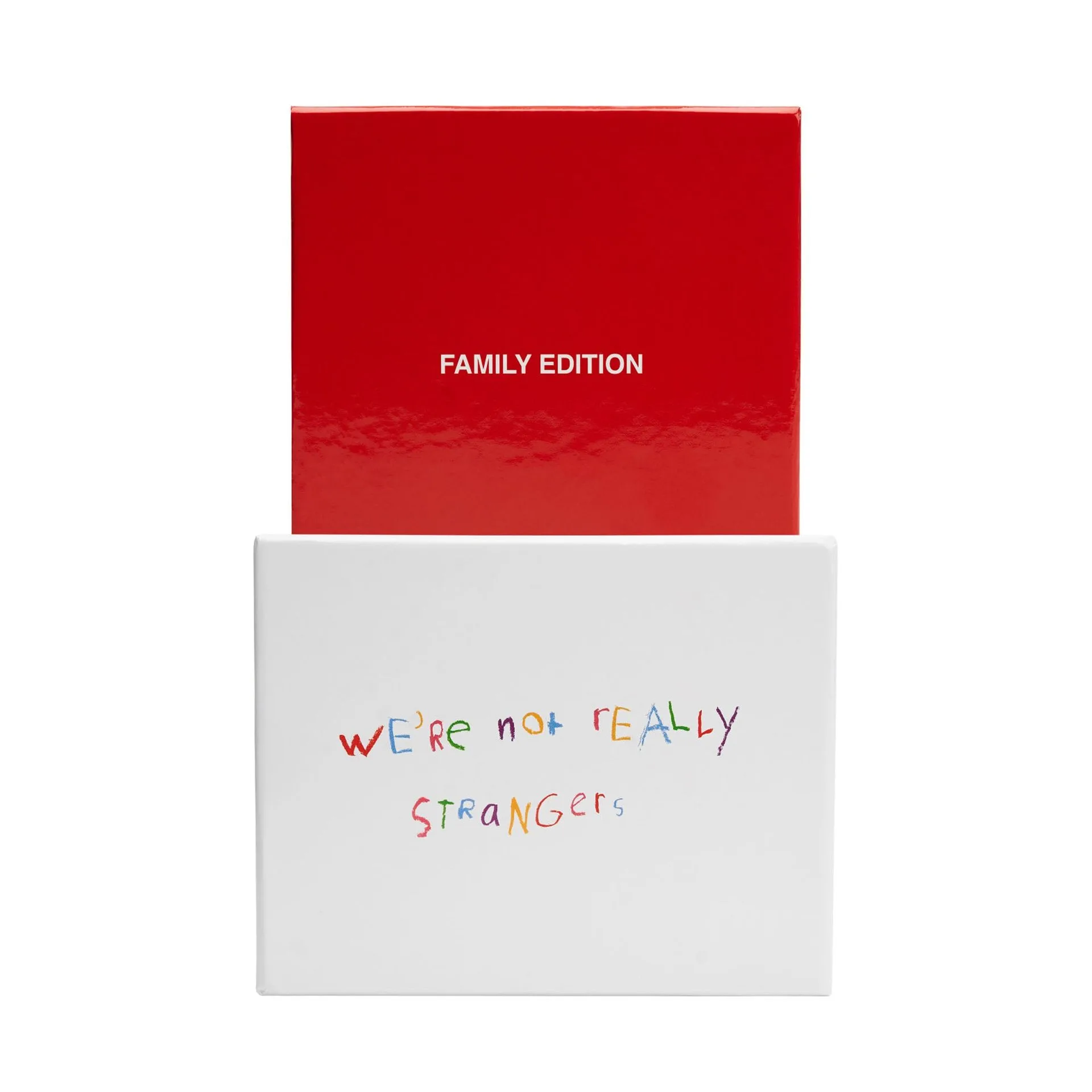
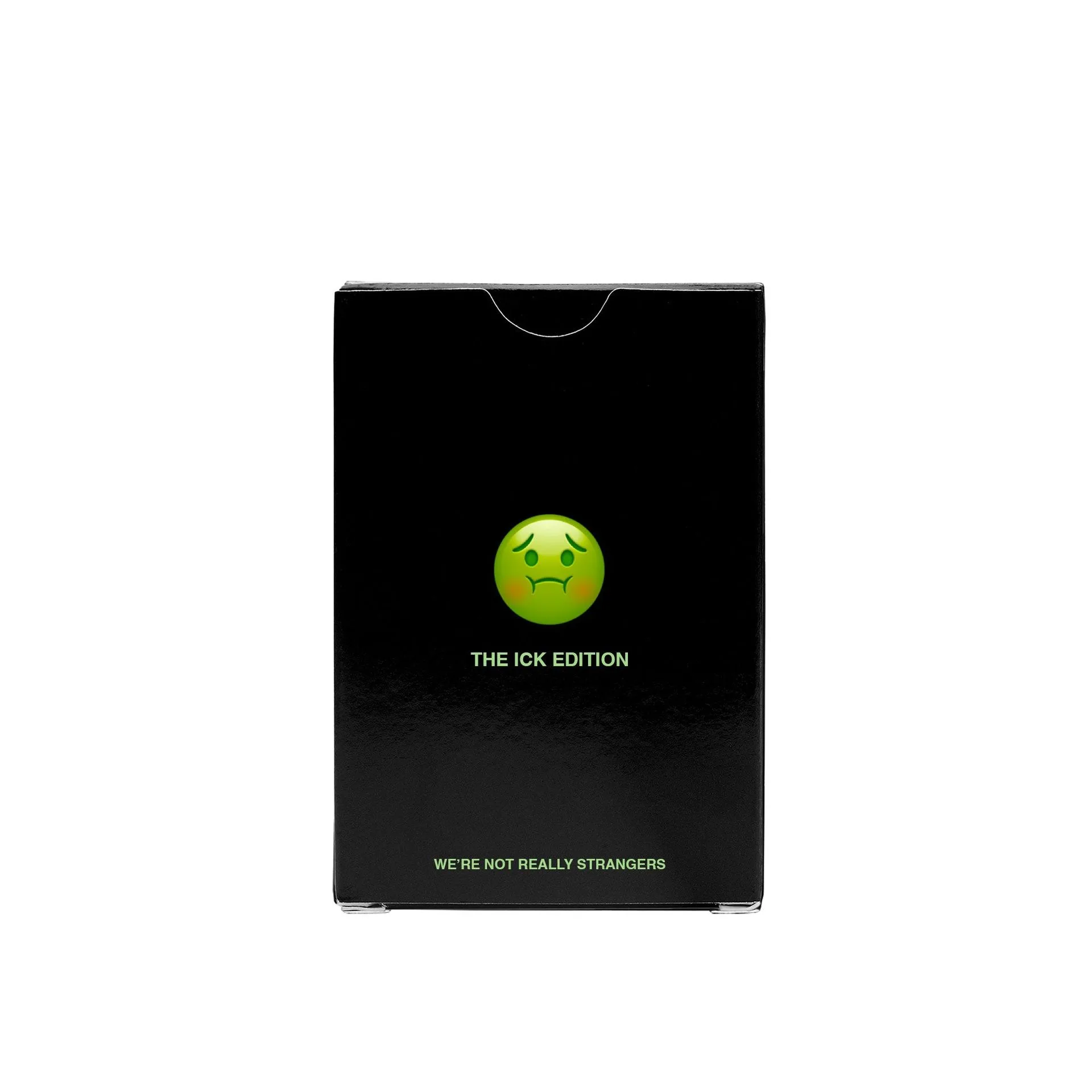
Team building at work often feels forced or awkward—icebreakers that elicit groans, trust falls that feel dated, or generic activities that fail to create genuine connections. But what if there was a simple, engaging tool that could spark real conversations, build empathy, and improve collaboration across your team? Enter conversation cards: a versatile, low-pressure way to facilitate meaningful dialogue in any workplace setting.
Conversation cards are designed to guide people through increasingly personal questions, from lighthearted prompts to deeper reflections. When used intentionally for team building, they can break down silos, surface shared values, and create a culture of openness. In this guide, we’ll explore how to integrate conversation cards into your corporate team activities, with practical exercises and tips for facilitators.
Why Conversation Cards Work for Workplace Team Building
Traditional team-building exercises often rely on competition or performance, which can alienate introverts or new hires. Conversation cards, by contrast, create a safe space for everyone to participate at their own comfort level. Each question acts as a prompt that requires no special skills—just a willingness to share and listen. This inclusive format helps teams move beyond surface-level small talk into areas like personal motivations, work styles, and shared experiences.
Research shows that psychological safety—the belief that you can speak up without risk of punishment—is the #1 predictor of high-performing teams. Conversation cards naturally foster this by normalizing vulnerability and active listening. When team members learn something unexpected about a colleague (like a hidden talent or a similar hobby), it humanizes them and strengthens trust. Over time, this translates into better collaboration, fewer misunderstandings, and a more cohesive workplace culture.
- Use conversation cards during onboarding to help new hires connect with teammates quickly.
- Schedule a 15-minute card session at the start of weekly meetings to set a positive, open tone.
Choosing the Right Conversation Card Set for Your Team
Not all conversation card decks are created equal. For workplace use, you'll want a set that balances professional relevance with personal depth. The Couples Edition is designed for romantic partners, but its structure—moving from Level 1 (perception) to Level 3 (reflection)—can be adapted for colleagues by framing questions around work dynamics. For example, you might ask, 'What’s one thing you wish your teammates knew about your work style?'

Couples Edition
For teams that want to focus on self-awareness and growth, the Self Love Game offers prompts that encourage introspection—great for post-project debriefs or wellness days. If your team is remote or hybrid, consider pairing cards with a digital whiteboard tool so everyone can see responses. The key is to pick a deck that aligns with your team's maturity level and goals. Avoid overly intimate questions in early sessions; start with lighter prompts and gradually increase depth as trust builds.

Self Love Game
4 Icebreaker Games Using Conversation Cards for Corporate Team Activities
Game 1: Two Truths and a Card. Each person draws a card and answers the question truthfully. Then they share two additional facts—one true, one false. The team votes on which is the lie. This combines the card’s prompt with a classic icebreaker, encouraging active listening and laughter. Game 2: The Connection Chain. One person answers a card, then picks a colleague who they think has a similar perspective or experience. That colleague shares their answer, then picks another, creating a web of shared insights.
Game 3: Speed Round. Set a timer for 2 minutes per pair. Partners take turns drawing and answering as many cards as they can. This fast-paced format works well for large groups and ensures everyone gets multiple interactions. Game 4: The Feedback Loop. After a project, draw a Level 3 card from the Couples Edition (adapted for work) like 'What’s one thing you’d like to improve about how we communicate?' Use this to facilitate constructive, blame-free feedback. These games turn abstract concepts like 'trust' and 'communication' into tangible, repeatable practices.
- Always debrief after a card game: ask the team what they learned or what surprised them.
- Rotate who draws the first card to ensure equal participation across the team.
Tips for Facilitating Conversation Card Sessions at Work
Set clear expectations upfront. Explain that the goal is connection, not interrogation. No one is required to answer every question, and it’s okay to pass. Create a 'safe word' or signal (like tapping the table) that anyone can use to pause the activity if they feel uncomfortable. This builds psychological safety from the start. Also, choose a neutral facilitator—ideally someone not in a direct management role—to avoid power dynamics influencing responses.
Mix up the group composition. Don’t let the same cliques sit together. Use random pairing tools (like drawing names from a hat) to encourage cross-departmental connections. For remote teams, use breakout rooms in video calls and have each group share one insight with the whole team afterward. Finally, keep sessions short—10 to 20 minutes—to maintain energy and focus. Over time, these micro-interactions accumulate into a more connected, empathetic team culture.
Integrating Conversation Cards into Ongoing Team Rituals
One-off team-building events have limited impact. To see lasting change, weave conversation cards into your team’s regular rhythms. For example, start every Monday morning stand-up with a single card question. Or dedicate the last 5 minutes of a Friday wrap-up to a 'reflection card' that helps the team celebrate wins and acknowledge challenges. You can even use cards during one-on-ones between managers and direct reports to uncover hidden blockers or aspirations.
Consider creating a 'card of the week' Slack channel where team members post their answers asynchronously. This gives introverts time to craft thoughtful responses and keeps the conversation going between meetings. For teams that enjoy friendly competition, track which department logs the most card sessions each quarter and award a small prize (like a gift card or extra PTO). The key is consistency: when conversation cards become a normal part of work life, they lose their novelty and become a trusted tool for authentic connection.
- Pair conversation cards with a shared journal or digital doc where team members can write down takeaways.
- Use the Self Love Game for monthly team check-ins focused on well-being and self-care.
Conversation cards offer a refreshing, low-stakes way to build genuine connections at work—no trust falls required. Whether you're onboarding new hires, facilitating a retreat, or simply trying to break the ice in a weekly meeting, these prompts can unlock conversations that strengthen collaboration and empathy. Start small: pick one of the games above, grab a deck like the Couples Edition, and watch your team’s communication transform one card at a time.