Why Alignment Matters and How a Cork Block Helps
Good alignment in yoga reduces strain and helps you access the full benefits of each pose. A cork yoga block is a simple tool that brings the floor closer, supports your body, and encourages proper positioning without forcing a stretch. Unlike foam blocks, cork is firm and does not compress under weight, which gives you reliable feedback for alignment adjustments.
Using the Block in Triangle Pose (Trikonasana)
In triangle pose, placing a cork block under your bottom hand can help you maintain length in your side body when flexibility is limited. Place the block on its highest or medium height outside your front foot. Press your hand firmly into the block to open your chest and keep your shoulders stacked. The solid surface of a cork block provides stable support so you can hold the pose longer without wobbling.
What the Earth Rest Cork Yoga Block Offers for Alignment Work
-
Earth Rest Cork Yoga Block: Our solid cork yoga blocks provide unparalleled stability and support, allowing you to flow into poses with more confidence. Stability is key for alignment poses where you need to hold a position and make small adjustments. A block that does not shift under pressure lets you focus on your form.
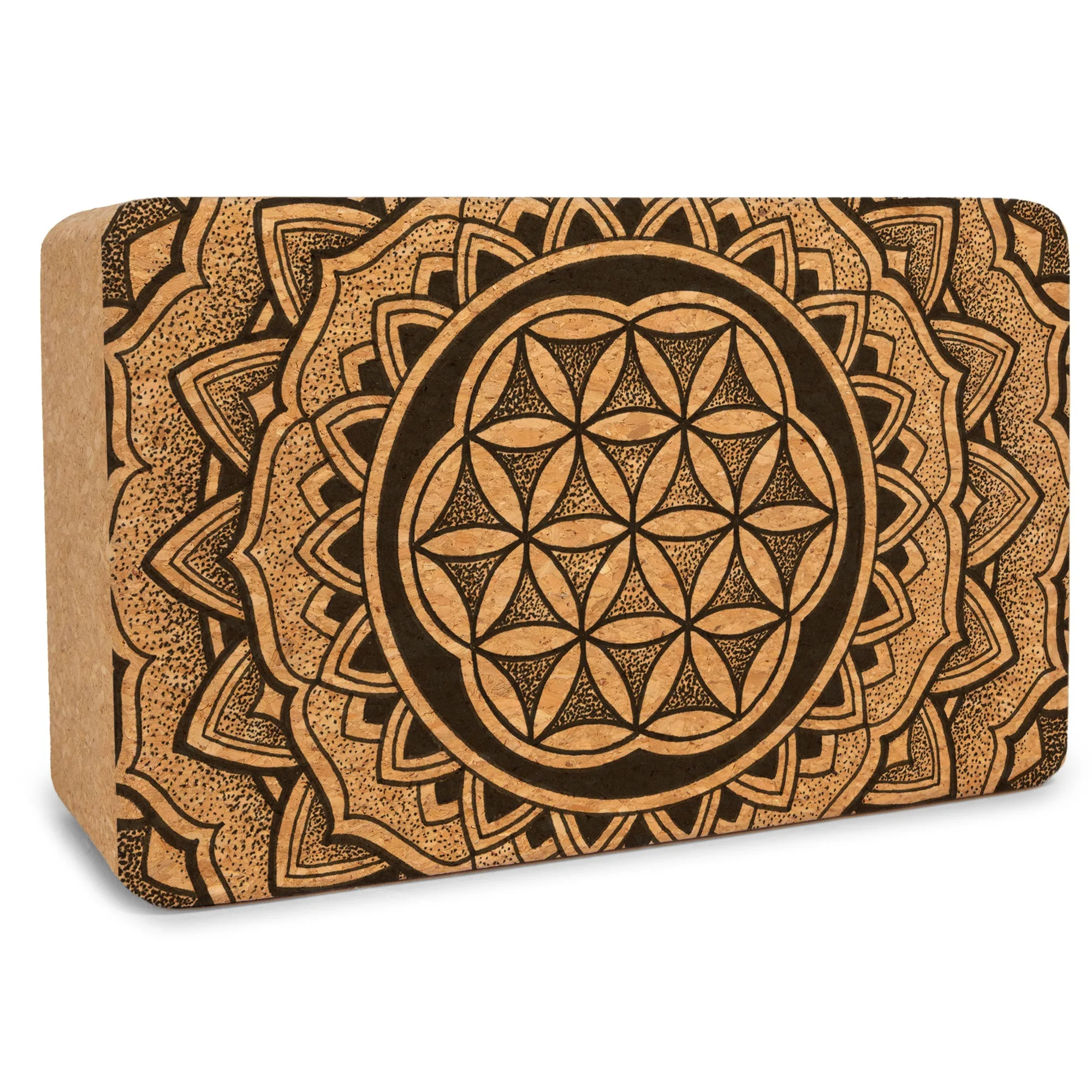
Earth Rest Cork Yoga Block
-
Earth Rest Cork Yoga Block: Rounded edges for comfort in gripping and when used as back support. When you place the block under your back or between your thighs, rounded edges prevent discomfort and allow a secure grip.
Supporting the Lower Back in Seated Forward Fold
If you feel rounding in your lower back during seated forward fold (Paschimottanasana), sit on a cork block placed on its lowest height. This lifts your hips above your knees, tilting your pelvis forward and reducing tension in your hamstrings. The block's firmness keeps you stable so you can focus on lengthening your spine rather than fighting to stay upright.
Using the Block Under Your Back for Gentle Backbends
For a supported backbend, place a cork block on its medium or highest height under your upper back (between your shoulder blades). Lie back so the block supports the thoracic spine, allowing your head and neck to relax. The rounded edges of a cork block make this position comfortable. This setup helps you experience a passive backbend without straining your lower back.
Beginner Alignment Tips with a Cork Block
If you are new to using a block, start with the tallest height for most poses. This gives you the most support and lets you gradually work toward using lower heights as your flexibility improves. In standing poses like warrior II, place the block under your back foot to help level your hips. The block's weight and texture also make it easy to grip, even if your hands are sweaty.
Material Benefits for Regular Use
- Earth Rest Cork Yoga Block: Body kind with no chemicals, latex or PVC’s. If you have sensitive skin or prefer natural materials, a cork block avoids the synthetic compounds found in many foam blocks.
- Earth Rest Cork Yoga Block: Naturally antimicrobial and built to last a lifetime using the highest grade of cork on the market. Cork's antimicrobial property means the block resists odor and bacteria even with regular use, and its durability makes it a long-term alignment tool.
Quick Steps to Improve Alignment with a Cork Block
Follow these steps to incorporate a cork block into your practice for better alignment.
- Choose the right height: Start with the tallest height for most poses. Lower the height as your flexibility increases.
- Place the block where it supports your body: For triangle, place it under your bottom hand. For seated forward fold, sit on it. For backbends, place it under your upper back.
- Press firmly into the block: Use the block's solid surface to create stable contact. This helps you engage the correct muscles and avoid collapsing into a joint.
- Adjust slowly: Move the block in small increments until you feel length and ease in the pose. The block's firmness gives you clear feedback.