Quick answer
Start with a counting puzzle and count each piece out loud as your child places it, then move to a shaped puzzle where the outline itself gives the clue. Keep sessions to five or ten minutes, follow your child's lead, and only size up to a 12, 35 or 36 piece puzzle once the smaller set is solved without help.
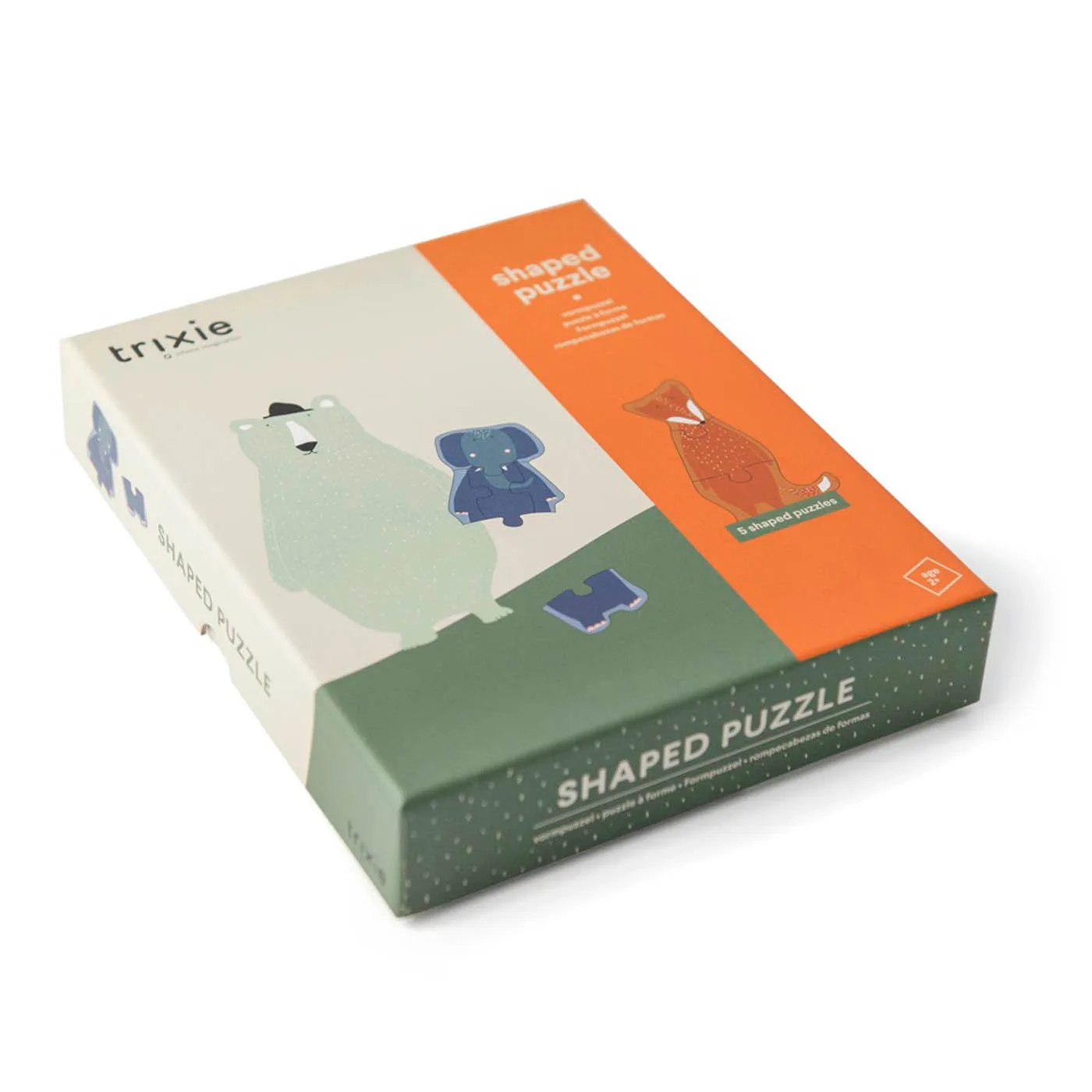
shaped puzzle
Puzzles are one of the easiest ways to sneak early maths into play, because counting, matching and one-to-one correspondence all happen while your child thinks they are just building a picture. The trick is knowing what to say and when to step back.
This guide walks through a simple routine you can repeat with a counting puzzle and a shaped puzzle, then explains how to choose between a 12 piece, 35 piece or 36 piece set as your child grows.
Why puzzles work for early maths
A counting puzzle asks a child to match a numeral to a quantity, which is the same skill they will later use for adding and subtracting. A shaped puzzle adds a second layer: the outline of the piece has to match the outline of the space, so children practise spatial reasoning at the same time as counting.
You do not need a formal lesson. Narrating what you see, such as 'you found the number three, let's count three dots', gives your child the maths vocabulary without turning play into a test.
- Keep the puzzle on a low table or floor mat so your child can reach it independently.
- Say the number, then point to each object as you count it. This is called one-to-one correspondence.
How to choose the right piece count
Piece count is the clearest signal of difficulty. A 12 piece puzzle is usually a first step for toddlers who can already place a few chunky pieces. A 35 or 36 piece puzzle suits a child who can complete a 12 piece set without prompting and is ready for a longer attention span.
Do not rush the jump. A child who struggles with 35 pieces may simply need more time with the smaller set, not a different puzzle. If a puzzle comes with a tray or frame, that extra support can make a 35 piece set feel less overwhelming.
- A 12 piece puzzle is a good starting point for most toddlers.
- Move to 35 or 36 pieces only when your child finishes the smaller puzzle without help.
Set up a five-minute puzzle routine
Consistency matters more than length. Pick a regular slot, such as after breakfast or before bath time, and keep the puzzle in the same spot. A short, predictable routine helps your child settle into the activity instead of treating it as a one-off treat.
Before you begin, tip the pieces out together and name what you see. This warm-up gives your child a moment to orient themselves and gives you a chance to spot which pieces they gravitate towards.
- Five to ten minutes is plenty for a toddler.
- End the session while your child is still enjoying it, not when they are frustrated.
What to say while your child plays
Your commentary is the maths lesson. Count the pieces as they go in, ask 'how many are left?', and use position words like 'next to', 'under' and 'beside'. These small phrases build the language your child will later use in school.
Resist the urge to correct every mistake. If a piece does not fit, ask 'does that look right?' and let your child try again. The moment of self-correction is where the learning happens.
- Count out loud, but keep it light and playful.
- Pause after a question to give your child time to answer.
Common mistakes to avoid
The most common mistake is treating the puzzle as a performance. If you finish it for your child, they lose the chance to practise. Another is introducing too many pieces at once, which can turn a fun activity into a chore.
Finally, avoid comparing your child to siblings or friends. Puzzle skills develop at different rates, and a child who is not ready for 35 pieces today may be ready next month.
- Let your child place the final piece, even if it takes a few tries.
- Store pieces in a bag or box so the puzzle is ready to use next time.
Your step-by-step puzzle routine
- Step 1: Pick the right puzzle: Choose a counting puzzle for number practice or a shaped puzzle for outline matching. Start with a 12 piece set if your child is new to puzzles. Checkpoint: your child can pick up and place a piece without your hand over theirs.
- Step 2: Set up a five-minute slot: Tip the pieces out together, name the colours and shapes, and keep the session short. Sit beside your child rather than opposite them. Checkpoint: the puzzle is finished or packed away before your child loses interest.
- Step 3: Count and narrate: Say each number as a piece goes in. Ask 'how many are left?' and use position words like 'next to' and 'under'. Checkpoint: your child repeats a number or points to a piece when you count.
- Step 4: Let your child lead: If a piece does not fit, ask 'does that look right?' and wait. Only help if your child asks or becomes frustrated. Checkpoint: your child tries a second piece placement without prompting.
- Step 5: Size up when ready: Move from 12 pieces to 35 or 36 pieces only when the smaller puzzle is solved independently and without reminders. Checkpoint: your child finishes the 12 piece puzzle two sessions in a row without help.
Products that support this routine
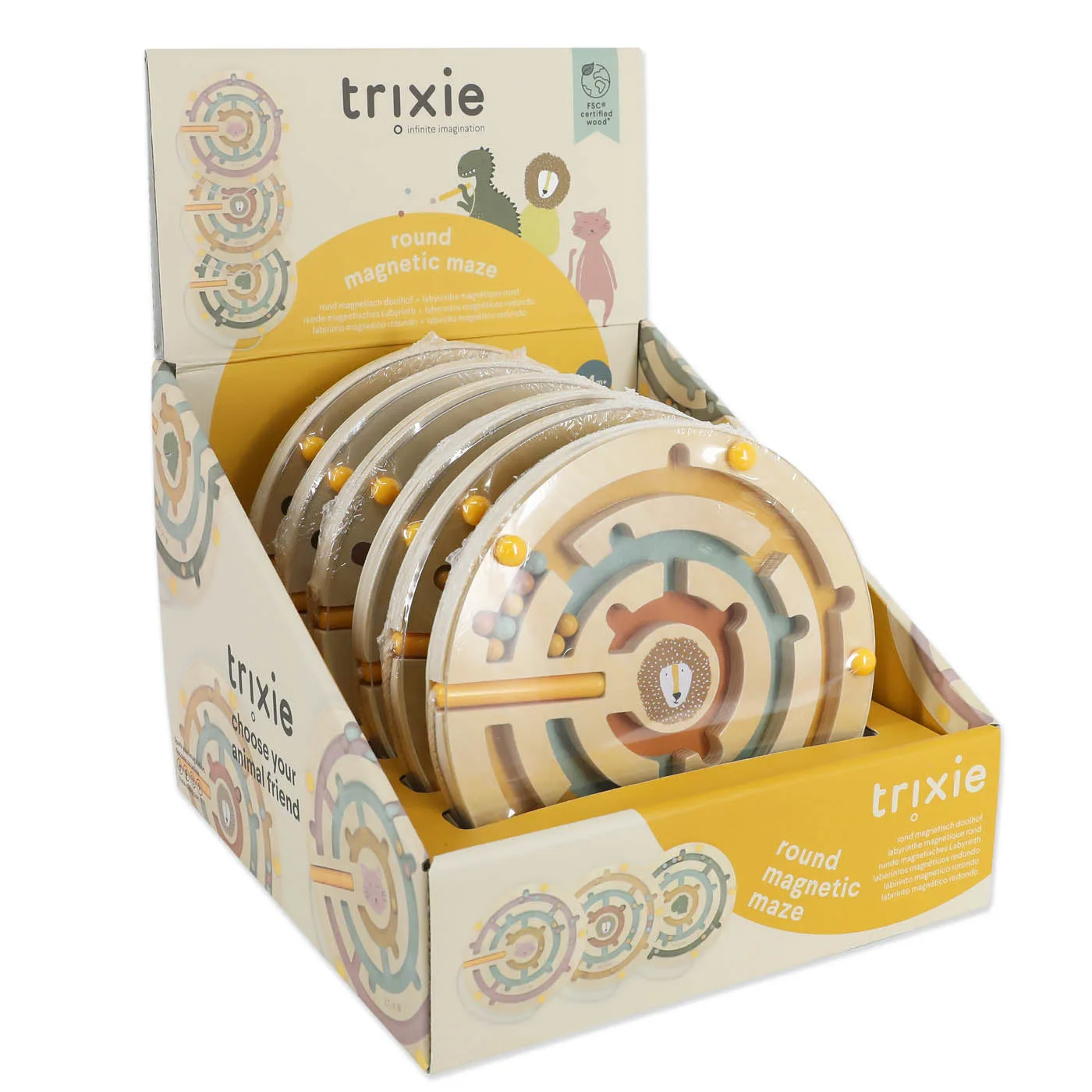
- Wooden round magnetic maze box - 6pcs: Use the pen to guide the balls around the round magnetic maze, overcoming obstacles along the way. Made from 100% FSC certified wood and non-toxic, child-safe paint. A quiet, portable way to practise the same hand control and focus your child needs for puzzle pieces, without the risk of losing pieces under the sofa.
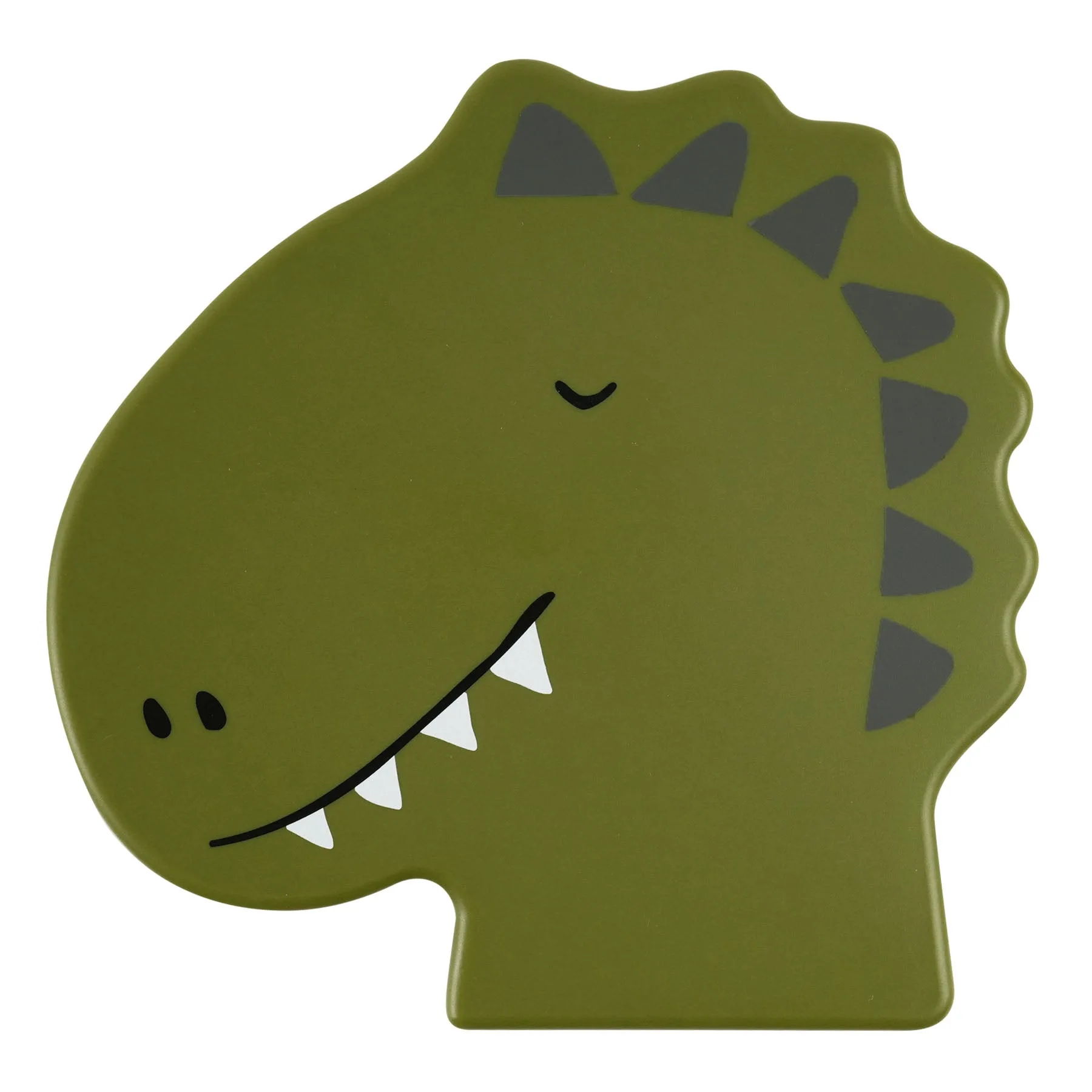
- Shaped lunch box - Mr. Dino: The lid opens and closes with ease and gives a satisfying little click to show it is securely shut. Dishwasher safe. If you pack puzzle time into a day out, a shaped lunch box keeps snack time separate from play and is easy to wipe clean afterwards.
You do not need a maths workbook to teach early maths. A counting puzzle, a shaped puzzle and a five-minute routine give your child the counting, matching and focus skills that come before formal lessons. Start small, narrate what you see, and let your child place the last piece.